Soul Food – Bird of Mouth


Hosted by
KT & Oti
Show Notes
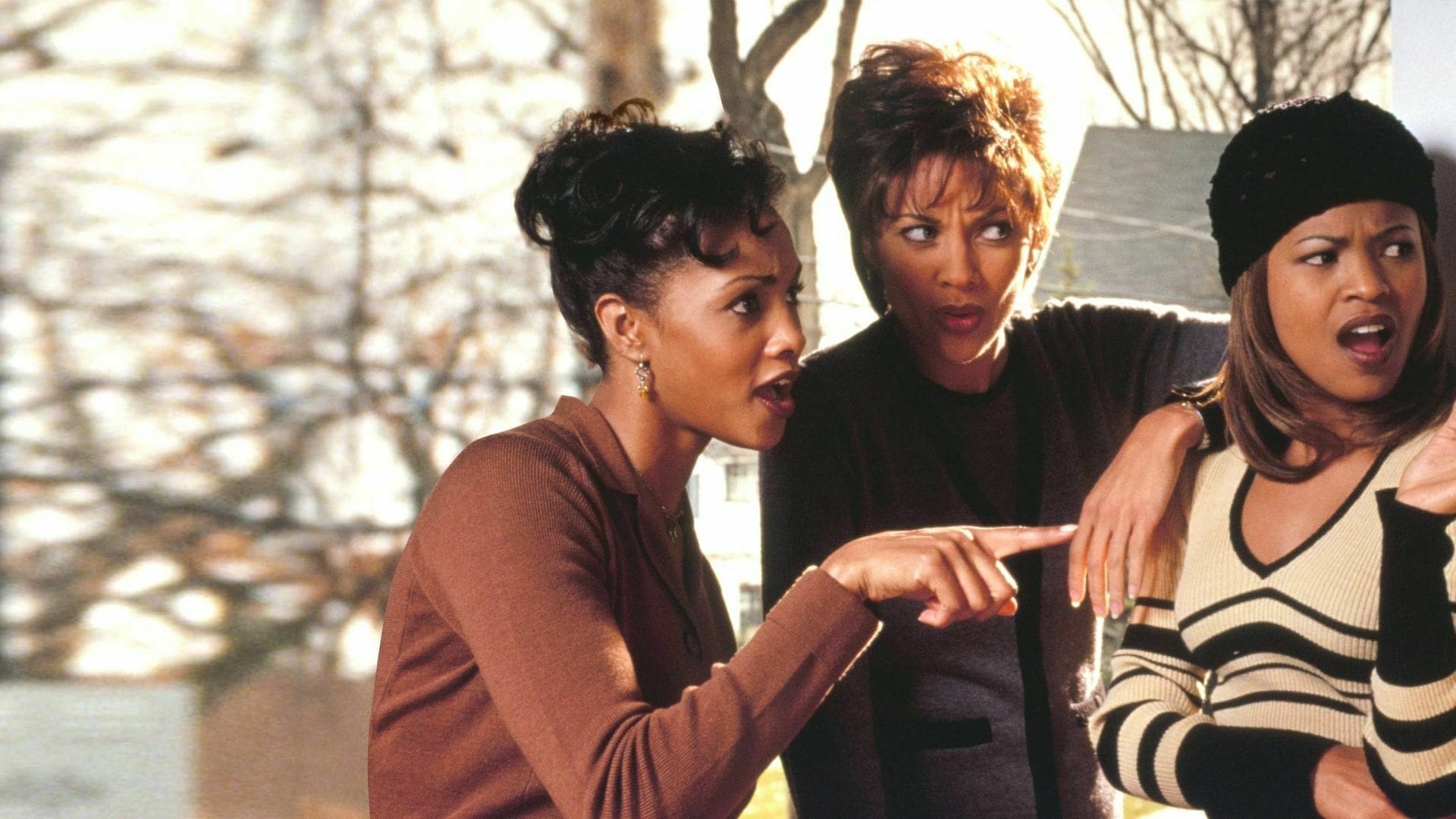
Set the table for a banquet of marinating drama, sizzling truths and sloppy seconds. Narrate the commentary with Soul Food this week.
Referenced


Oti's Picks
Referenced in this episode

Episode Details
- Duration
- 0:00
- Released
- July 12, 2022
- Category
- Episode
- Hosts

Transcript
Transcript (7,602 words)
Full transcript of Soul Food – Bird of Mouth.
KT: It's another week in the For Your Reference household, and it is another first. We are covering Vanessa Williams for the first time and Mekhi Phifer. Mhmm. The Phifer is mine. That's a throwback reference, friends and lovers. But it is not the first time we've covered Vivica A. Fox. Go and check well, check out our episode of Kill Bill. I wouldn't recommend watching Kill Bill. And also, I would recommend Boyz n the Hood, Nia Long. Mhmm. Her thighs, her thighs. We have something in common, Omar Epps. Let's get on with the show.
KT: Hey, friends and big mama lovers. Welcome back to the For Your Reference podcast. You got your host, KT.
Oti: And Oti.
KT: Set the table for a banquet of marinating drama, sizzling truths, and sloppy seconds. Narrate the commentary with Soul Food this week. What a classic film, Oti.
Oti: Sure is.
KT: I was so excited. I was about to get into first impressions. Let me do general stats and information. This film was released in 1997, written and directed by George Tillman Junior. Again, another first in the For Your Reference podcast. Cast
KT: of Vanessa Williams, Vivica A. Fox, Nia Long, and Mekhi Phifer. A box office of $7,500,000 and a worldwide gross of $43,700,000.
Oti: Nice.
KT: That's a lot of soul food, Oti.
Oti: Sure is. Absolutely. Absolutely.
KT: Well, let's get into first impressions. Obviously, Oti is our residential
Oti: Black man.
KT: I was gonna say what's Karamo in Queer Eye, and they they give him some, like, ambiguous culture. But, yeah, the black man, essentially, is what we're saying. And there was also obviously, we're gonna talk about the film, but I really enjoyed the dialogue with Kenny and Lem. Pretty much Lem interjecting,
KT: being a black man and how difficult it is, you know, so
KT: true to form. Yeah. Put your underlines in your underscores where you need them. Right, Oti? Mhmm. Well, let's get into first impressions as, again, the residential black man of the podcast. You know, obviously, you've mentioned that this has been a bastion in your upbringing.
KT: So how did it feel watching it? I'm assuming it was in heavy rotation when you weren't watching It's a Wonderful Oti Life.
Oti: Mhmm. It was actually back to back. So you'd have Wonderful Life, and then Soul Food would be pretty much after.
KT: So smacking kids in the face and putting trauma on the kids, a double feature?
Oti: Yeah.
Oti: For a perfect Sunday.
KT: Okay. Well well, let's get into first impressions, and I guess take us to where you are now, my love. So
Oti: like KT said, I think this was always on the loop in our household. It's something that we watch regularly, and it's one of those movies that I sort of just enjoyed. You know? I enjoyed the the family, the togetherness. It's something that we partook in, so it was sort of good to see all those sort of family relations and how it unfolded and just seeing how
Oti: weird a family evening is when everyone doesn't really get along. You know? So it's it's one of those things that's been close to me up until watching it recently, and I was like, yeah. It's not fully simmered. It's it's there's some holes, but I did enjoy it to some degree, and I still hold a candle to it just because of nostalgia, baby. But, wow, it's so good to see sort of going back and seeing Vivica, Vanessa Williams, and Nia Long in their best form, you know.
KT: Yeah. Their final form.
KT: No. I think Nia Long in Fatal Affair was Omar Epps's final form.
Oti: Yeah. True though. I just felt that I I felt I felt like I enjoyed this more than you from a surface level as well.
KT: As a residential non black man?
Oti: Yes. And I don't know. I I think there's some things that I took from it knowing that it plagues black communities and it didn't need to be spelled out, something that I know was a qualm.
Oti: So I'm interested to see or hear what you have to say about this and how you experienced watching it for your first time as well.
KT: Well, I I guess while we're talking about
KT: black excellence, Courtney A. Kemp, we were recently watching an interview with her and she talks about, you know, the mark of great writing is to have the plot follow the characters, not the characters following the plot. And she perfectly put into words how I felt about this film because, you know, as we know with our review episodes, we do cover themes and then characters.
KT: But I think it felt as though there were definitely marks that they wanted to hit in this film and opposed to it having the characters build up to whatever the messaging is or whatever the theme is, it kind of became one and of the same sort of gesture. But I definitely wanna talk through themes. But before we do that, I guess I will give my first impressions. You know, I talk a lot about having gaps in cinema. Know, Air Force One was very enjoyable, but was definitely a blind spot for me.
KT: And Soul Food was also one of them as well. I I heard periphery about it. I guess spoiler spoiler spoiler seasoning seasoning seasoning.
Oti: Lard lard lard.
KT: You know you're in a gentrified place where you try and look for lard and you don't get any and the faces you get for getting lard, I'm going into my frame of reference. It's okay, friends and lovers. I'll go back to the film. But I really enjoyed this film because again, it is a landmark in cinema that I wanted to be able to experience. However, I did give a little sprinkling of how I felt in in regards to, I wouldn't necessarily say was a successful execution. I understand the nuts and bolts.
KT: But again, if we're talking about Boyz n the Hood, it gives me little patience for films even from decades ago that don't necessarily execute because rest in love and peace and power, John Singleton, he was able to achieve that so effortlessly. And, you know, we've we've got our residential hotep Oti, but we've got Laurence Fishburne, you know, embodying a lot of the messaging, but it's done in such a natural
KT: sort of way. It isn't just being put there because it needs to be put there. You understand what I'm saying?
Oti: I hear you, but I feel like a lot of the things that you're condemning
Oti: Hey, woah. Hey, woah. A lot of the things that you didn't like about handed seasoning, Oti. A lot of the things that you didn't like about Soul Food are the same props I felt you gave for Belly because I brought up the same qualms that I had for Belly, and I felt that they didn't deliver on multiple facets.
KT: Friends and lovers, for those of you that have constructed a fan For Your Reference bingo card, there is absolutely a spot for Oti besmirching Belly every time we reference a black film.
Oti: What the fuck, dude?
KT: What?
Oti: Bruh. Who's who's
Oti: I I'm almost certain. I'm not in the business of besmirching black movies. I I love black cinema. I am a bastion.
KT: Okay, Karamo.
Oti: No. Seriously, though. I think the the the the parallels that can be drawn on how these are covered up until the or something or some aspects are left out until the last bit. And when this was done, I felt that you were, like, full of praise for one, but then come here and put up your chest and say, oh, I wanted to see more of this.
KT: In in this Roe v Wade world, I can put my chest wherever I want, Oti.
KT: I thought this was America.
Oti: It is not, bro. It is not.
KT: It is, and that's the problem, I suppose. I just I knew you were going to mention Belly because you always wanna come for Belly. Like, again, I'm going to talk about Courtney A. Kemp. Go and watch the Power universe. It's fucking brilliant. There's obviously Ghost that is coming out soon as well. But there is a difference. There there are two distinct differences. There's a qualm, a Delroy Lindo quarrel, a Christoph Waltz quandary with the writing, and then there's a qualm quarrel quandary for character motivations.
KT: Those are two different things. You are frustrated with the character motivations of Otto, and we're going to stop because we need to actually talk about Soul Food. You are frustrated with the character motivations of Otto and I guess even Nas's character.
Oti: Again, we know he played a character, but he was fucking Nas. Like, in that film.
KT: I had a problem with the writing, not the character motivations in this film, in Soul Food.
Oti: No. You're just trying to wrap it up in a pretty fucking bow and try to distinguish it in different buckets, which aren't necessarily true. I think when we look at the writing here, yes, I I can see the flaw there watching it as an adult. I can see where the issues you raised stem from.
Oti: But in the end, it's not it's not for you to see that you know, there's this classic well, I think most of us who are listening to this podcast or if you've not watched Boondocks, Huey Freeman pretty much gives five five thirty second synopsis of Soul Food. You know, he he just grabs the shit out of it brilliantly. And the
KT: Yeah. And it's more effective than this film. Isn't that what you're saying?
Oti: No. No. No. No. I'm just saying those aspects of his Huey's frustration
Oti: in the movie Soul Food and what Soul Food does for the community and the blindness towards, hey, this shit's gotta change because a lot of folks go out there undiagnosed with fucking diabetes and fucking die all the time because there's not that's just there's no knowledge there. So when when Soul Food does this, it's not to say that by the end of it, need to have fucking
Oti: development or plot point where there's like, oh, man, soul food killed us, man. It's killed big mama. Now we need to change. No, bro. It's depicting the society we live in and its current form, and we know exactly what it is. Is it gonna change? Probably fucking not, but it is what it is. It's not about having Lem, having Kenny, having Teri fucking realize their full self at the end of it feeling like, oh,
Oti: these are the things that we've done up until this point that has led us astray or has caused Big Mama to fucking die. It's this symbolizes so much more than just fucking eating food. It symbolizes so much than just the food on the fucking table. It's the reprieve. It's how people got along or how persevered for such a long time. And it's one of those things ingrained in the culture so much that feeling like the ending or the writing could have been different in terms of fleshing out the story to a full realization
Oti: was impossible unless you fucking chip in the whole story from reality. Uh-huh. Because it's not just gonna work. In my point of view, it's not gonna work because at the end of it, we are watching fucking cinema that is relatable, that we can sort of draw parallels. So this fantasy ending of us sitting at the table at the end singing fucking kumbaya with raisin veggies isn't gonna work because it's not realistic.
KT: Okay. So I I understand your interpretation of the film. I also understand what you're saying about Boondocks, but I would also like to have some space in film criticism to be able to discuss this without you fucking throwing your belly in my face.
Oti: I can see the quarrels and the quandaries and I can understand it and I can I can I I I can can empathize? Mhmm. But rewatching it now, I see those two. It's more of a narration of what the current state is and how the so I don't know I don't know where you sit with that.
KT: Well, far be it from me to argue that we're a film first podcast as opposed to being a black first podcast.
KT: But if we talk about, like, reviewing or, you know, having film criticism, just because you say something doesn't mean you're executing something. You see what I'm saying? We covered Django, which is probably the most contrasting film example I can give. Just because Quentin Tarantino was doing a film about slavery doesn't mean he successfully executed the themes that he needed to hit in a slave film. You see what I'm saying? But we also live in layers of complexity because, again, shout out. I feel like all of our recent American films, I'm just outpouring
KT: our love to our American friends and lovers. You know, even having, you know, states trying to move the the the use of the word slavery, which is a factual word to call it involuntary relocation. So it's not all in isolation. I understand that right now in the twenty twenties, in the trenches, it is not a great day for black Americans. I understand that. However,
KT: Boyz n the Hood came out five, six years before Soul Food, and I gave it all the love, and I gave it all the praise. You know, if if we did have a child and our child was ugly, you would never say it.
Oti: The kid would be black, so more power. I can't have a black fucking ugly black kid.
KT: Wow. Matthew A. Oti Cherry. Are you gonna do the the sequel of Hair Love? You're do Ugly Love?
Oti: Yeah.
KT: Wow. Wow.
KT: But, you know, in any case, we all come with our frame of reference and Oti has very much come here with his big puffed up chest, which again, I don't try to control, but, you know, apparently, you're trying to control my chest. Oh, wow. Let's get into the film. You know, one of the themes that I wanted to talk about was about soul food specifically. And you already started off with it. I I don't think I need to say anything because I feel like it will be a volley going back and forth.
KT: But again, just because it's a subject matter, just because you're saying it doesn't mean you're successfully executing it. I understand the themes that need to be presented, but again, I'm only going to hit the strides when I necessarily feel it. I wanna talk about Teri because I personally resonated a lot with Teri's character. And, you know, we're going to talk about the family dynamics. We're going to talk about the storyline. If this was a film that was made in the twenty twenties or even in the twenty tens,
KT: I would hold it to account for the lack of dimension that they're giving for Teri. She's kind of a stereotypical sound bite. She's the successful daughter, but she can't keep a man. And she pays everyone's money, but apparently, she's not allowed to say it, but everyone's allowed to just reach into her pocket. There wasn't much more dimension outside of that of her being intelligent, but also bitter and ultimately lonely and unhappy. Right? I didn't necessarily care for that, but I thought the dynamic was quite interesting in the family. And again, I personally
KT: resonated with it a lot. So I just wanna talk about Teri's character. Obviously, we can talk about, you know, Miles is cheating ass. We'll definitely get there as well. But I wanna talk about the theme of having, you know, inside of the family unit, you have the successful, maybe the first, maybe the only to go to college. Is that what they say in America? Or universities. So you have tertiary education. She's a lawyer in this instance. How did you feel about her character and how it contributed to the family dynamic?
Oti: I liked Teri's character. I think she's a strong black woman that knows what she wants from life. Uh-huh. And she's unapologetically so, to the point where it starts sort of affecting her relationship with Miles just because of what she sees that path to be. Yeah. She gets the short end of the stick a lot of the times. Even when she was a kid, we see that or in her adolescence years, she we see that Maxine pretty much steals Kenny right from under her, you know? Yeah. It's it's it's it felt it feels very repetitive
KT: Yeah.
Oti: To her. Fast forward with Miles and Faith. So it's I understand her pain. I understand her frustration. And I'm with her, mate. Like, she has all the rights to ask not to pay for every fucking shit. Yeah. Because it's just expected at this point. Yeah. Yeah. Yeah. Just because you're fucking successful, everyone's taking advantage of, oh, let her pay and then we'll pay her in installments, which you know those installments will never fucking come.
KT: Yeah. Yeah. Absolutely. No. I absolutely agree.
KT: There there was definitely, again, a lot that I I could identify with Teri's character because it was. It was asking a lot of her. I would have liked to have some sort of dimension, but again, I understand why she got frustrated. Friends and lovers, friendly PSA from your non friendly bitch KT, don't seek out relationships for stability. Mhmm. Because just like you allow yourself to grow, whether it's your job, whether it's your interests, whether it's your sexual desires, whatever it is friends and lovers, you also understand
KT: that the person you're in a relationship with also has the room to grow. Mhmm. Miles being a lawyer wasn't who he was. It's what he did. Yep. So at any point in time, he may no longer be a lawyer, which is absolutely the the the conflict that we saw between Teri and Miles. I understand why Teri was seeking stability because of, again, you know, stability that she wasn't necessarily getting in childhood. I absolutely understand. However, her it became her need to control Miles because of the ideal,
KT: because of the perfect dream that she had to have everything go exactly as planned. And unfortunately, that's not how life goes.
Oti: Yeah. The power couple, you know, it's it's it's it's crazy. And I feel like she should have listened to Miles.
Oti: What because Miles was like, hey. I do not want to be a lawyer. I wanna pursue my music. I want to do that. I think at the end of the day, you know, with with hindsight being fucking twenty twenty here, a lot of the times, the nine to five shit gets
Oti: old really quickly. Uh-huh. And and for whatever reason, you'd want to sort of pursue what you do love.
KT: Like a film podcast?
Oti: Like a fucking film podcast. So it's it's it's understandable to want to venture into their no not knowing or not realizing the financial constraints
Oti: that would cause. And it's it's good. It it's it's good to have this conversation. You don't shy away from it. Yeah. And there's there's little snippets of Teri talking to Miles saying that, oh, your money is only 30 k in the bank. I'm like, bruh. Come on. Yeah. How long have you been married? Post coitus, I'm sure you're like, this money is yours. This pussy is yours. Like, what happened to that energy? Yeah. Like like, if we're in it together, you don't need to because clearly, she's fucking keeping tabs. Regardless
Oti: of whether or not it it came out wrongly or it was subconscious sort of slip of the tongue. Yeah. It doesn't fucking matter. She's actively keeping tabs on how much money Miles puts in there.
KT: But if we can give some grace, again, that's why I lean on, you know, even my personal experiences.
KT: Teri is looking for stability, but that's not how you seek and you continue to build and strengthen the bond with another human. Because you can change, they can change, and sometimes
KT: you change separately. That's just how it works.
Oti: Yeah. Because I got to a point where I was like, you know what? I'm gonna fucking resign. Yeah. Just because I needed something different, KT didn't come to me and be like, bro, you can't do that shit. You know? It's more fostering that understanding in that relationship
Oti: to know that there is a safe space for you to be who you want to be Uh-huh. As long as there's a fucking plan.
KT: Well, you, Oti. And I guess they'll come to Bird and Lem later as well because they have a similar
KT: sort of theme as well. But Teri was interesting and, you know, we've mentioned it many many many I try to keep it related to what we're talking about. But we mentioned many many times on the podcast, if you receive, ask, beg money from someone, you are obliged to them in some sort of way. Mhmm. Right?
Oti: Nothing free, mate.
KT: Well, professionally, you need to do your fucking job. But, you know, within your family, if you are getting money from your family, there is some sense of obligation,
KT: whether rightly or wrongly.
Oti: If your if your wife's parents or your partner's parents buys your fucking house, don't feel like you can't complain when they show up every fucking every fucking weekend. They they will show up and remind you of that shit.
KT: Yeah. No. Absolutely.
KT: Absolutely. And, you know, part of what was really frustrating me, and we're talking about Teri specifically, even though we'll talk about other themes and characters, I'm kind of coming to the end of the film specifically so I can illustrate the point about Teri, was they had no money to put forward. Expected Teri to put the money forward with their bullshit loan sort of idea, but they also didn't wanna sell the house. So hard conversations need to be had. Understandable, the house becomes an institution.
KT: It was a forty year tradition of meeting around the dinner table on a Sunday. I understand that. But if you're constantly expecting someone else to foot the bill and you've got no money to put in, unfucking fortunately, the house has gotta go.
Oti: I'm with you on that. It's gotta go.
KT: And, you know, there was also that extra pressure because Miles was no longer a lawyer. So he wasn't gonna be getting those lawyer dollars. Yep. Well, let's move on. I wanna talk about another
KT: one one of the more main sort of themes that we have in Soul Food and maybe maybe friends and lovers. Like I said, with the more recent Nia DaCosta Candyman, maybe there were just too many storylines and we had too many characters that had, you know you know, things to say that it kind of got muddied in the waters because then we kind of forget about the percolating soul food. But I wanna talk about Lem. I love that, you know, institutionalized racism and, you know, the the willful white institutions and systems in America,
KT: globally, but also in America, continues to oppress and disadvantage, particularly talking about Lem, black men. So it's it's very interesting. I love the way I would say probably this is the best executed theme that we have in the film, and Lem also has these vulnerable moments. And there was a lot of messiness. There was a lot of Days of Our Lives, Bold and the Beautiful, Tyler Perry's, Haves and Have Nots Mhmm. Of Lem just really being vulnerable with Bird.
Oti: Yeah. It's
Oti: it's one of those things that you see him trying to lift himself up. He's made mistakes. He'd be the first one to bloody admit. So when when it comes to getting that second chance, where they're few and far in between, having to go ask for work, as soon as you'd learned that you're a convict, you'll
Oti: shut down.
KT: I just had a flashback of Konvict Music of Akon. What a time, Mhmm.
Oti: So it's it's it's it's not wild to see him respond in a way that is shows up as anger. Uh-huh. You know, he he has the right to feel angry. Yeah. So when Simuel shows up in the picture and throws shit in his face, expect a bashing.
KT: Oh, that scene was so frustrating.
KT: Like, I just didn't wanna look.
Oti: Yeah. Yeah. I think that was that that that was one of the things that I just cringed at, seeing Bird do that. I was like, what the fuck, mate? Yeah. You're adding fuel to this guy's fire. He thinks by pursuing you Uh-huh. You know, you're not turning him down. You're over here acting all fucking anime koi. Oh, no. Bro, no. Come on. Say it with your chest. Don't accept his fucking bracelets or fucking wear it around.
KT: Yeah. Well, I think she only wore it at work.
Oti: Doesn't bloody matter.
Oti: Alright. It gives him a name. He he he sees that as an opportunity
Oti: to stay pushing.
KT: No. I agree. I absolutely agree with you. And, you know, do we just chalk it up to lack of life experience with Bird? Because I don't think she I don't think she meant it in a malicious way. Yeah. I don't think she meant it in a malicious way. It obviously wasn't helpful and it it was absolutely harmful to Lem. But her intention to try and protect him and to try and help him find a job made him feel even more small
KT: when the man she's potentially stepping out on before they got married made it clear to him that he pulled the strings for him and then he was very condescending about like working down there. Oh,
Oti: I love my coke, man, back in the day. Come on now. Gross. I'm fucking Omar Epps all over him.
KT: Wow. He's a verb now?
Oti: Yeah.
KT: Alright. Friends and lovers, look out for Oti's non fungible Omar Epps. Mhmm. But there was so much layers, and I think that was the most emotional I got watching this film when Lem was really frustrated and he was talking to Bird and he's like, you can't do this. I've been to like six interviews. You know what I mean? It isn't for lack of trying. He's he's he's doing all of the things he's supposed to be doing, whether it's El Hoyo, whether it's Squid Game, whether it's fucking Parasite, Oti.
KT: We talk about systems or even capitalist sort of systems where everyone participates but only a few really truly benefit.
Oti: Facts. And the sad part is, Lem is actually quite good at what he does. Yes. Bro came out of the came out of the prison and still got work just because of how good he was. You know, take the bullshit aside, at the end of the day, he he he knew what he he he was good at what he did Mhmm. And he knew his value. Yeah. And seeing him struggle that much and not knowing where it's gonna land, knowing that there's pressure from Simuel, knowing that Bird is high maintenance
Oti: Yeah. It's it's just too much.
KT: But this is this is funny
KT: because I am actively trying to dismantle toxic masculinity, but I did partake in it watching this film when Kenny and Lem was talking and Lem and I do really love that Lem opened himself and he was able to share with Kenny that he didn't keep it to himself. But anyway, Lem was telling Kenny about the fact that he got fired from his job because he lied on his application, which, you know, we had a conversation like it even shouldn't even fucking be there anymore. Mhmm. But again, we've talked enough about real life institutionalized
KT: racism and discrimination. So focusing back on the film, Lem was talking about how we got fired. And I was like, very quickly before they had their little exchange of being a man, a black man, a woman, a black woman.
KT: Very quickly without missing a beat, was like, yeah, he shouldn't tell her.
Oti: Yeah. Just because of how we knew Bird as a character by that point. She got options. Mhmm. Simuel is fucking king Simp over there. He's he's he's chasing you, you know, and to feel that he felt that he didn't have as many opportunities or options to give back that sort of lifestyle. Uh-huh. So I understood the trepidation of of telling Bird. At the end of the day, I still felt like at the base of fucking any relationship has to be honesty.
Oti: You say that shit. You get you let Bird react in whatever way. Give her the opportunity to to to disappoint you. Yeah. You know? If if she does step out because of that, then it wasn't fucking meant to be, bro. Yeah. You know, if she doesn't, then you know she's got you. Yeah. And that would be even a better motivation, and then it'll make even feel that much better. Yeah. So keeping shit inside just fucking kills black men. Just fucking talk bro.
KT: Yeah, absolutely. I absolutely agree.
KT: Bird was very interesting. Again, I think she just had a like, she just didn't have a lot of life experience or at least because they said that she was the youngest. So I guess they were hinging on a lot of that. Yeah. Yeah. Like her not necessarily being aware of like how things play out and that sort of thing, which maybe, you know, like put down her barriers so she could fall in love with Lem without any sort of prejudice because you saw the way the family talked to Lem.
Oti: Yeah. Yeah. They're they're all they're all looking down on him.
KT: Absolutely agree.
KT: Is there anything else you wanna mention about Bird and Lem?
Oti: I didn't appreciate Maxine's explanation or how she tried to explain why Bird shouldn't have done that.
KT: Yes. Yes. Yes. Yes. Yes. Yes.
Oti: Very fucking I'm not sure if she felt very caveman y. I was like
KT: Very submissive.
Oti: Yeah. I was like, that's not why. But, you know, you've got the end result there. Just the explanation to get there? Nah. It's like you get the same answer, but your calculations.
Oti: Yeah. When the teacher asks you, how did you get the answer, Oti? How did you get the answer? You're like, yeah. Yeah. Yeah. I don't know. I don't know. Show us your working out. Show us work. Show us your methodology.
KT: No. I'm I'm glad you picked up on that because that's where I unsubscribe from toxic masculinity really quick. Because what I I think and, you know, since since you're getting personal on the podcast, I'll also get personal on the podcast. I think a lot of, you know, me being in a relationship with you was understanding that you wanting to do things for me wasn't necessarily because you're a man and you want to control me as a woman, it's a partnership that we have. And you know, again, if I talk about Teri,
KT: stability was very important for me and so was my independence. So you taking care of me felt like losing my independence.
Oti: Yeah. Not trying to take all your religion, babe. Okay. Under the banner of Oti heaven. Those underwears do.
KT: We keep it spicy, friends and lovers. But, yeah, I I agree. I didn't I didn't agree. I like that Maxine was comforting Bird saying that you need to stick up for him, but I didn't appreciate for that man is man sort of nonsense.
Oti: Yeah.
KT: Speaking of Maxine, do you think do you think it's worth Teri holding on to the grudge?
Oti: Yeah. What the fuck?
KT: It was just a question. I'm just putting it out there. Like, who would hold that grudge? I
KT: don't know.
Oti: Like, in your formative years,
Oti: something like that happens to you, you hold that shit. Yeah. It doesn't matter how old you are, you know that your sister fucking betrayed you. And to make matters worse, they're still fucking together right now Yeah. Popping kids left, right, and center. Yeah.
KT: But they're also the ones with their hands out asking for money all the time. Can we talk about it?
Oti: Yeah. I don't think so. It's a bloody constant reminder of what happened in my opinion. It's like, see you right there all the time.
KT: No. I'm talking about asking for money all the time.
Oti: Yeah. I'm that too. Like, nah. Come on now. I'm gonna have these kids with this man I stole from you. Please pay this money now. Thank you. Yeah. So we can keep the house as well.
KT: Oh,
KT: nah. Nah. Nah. Can I just say Maxine and we love Vivica A. Fox? Love and splooshes everywhere. But Maxine offered the least dimension in this film. Yeah. She was kind of there just to contrast Teri. Just to remind Teri of what she doesn't have.
Oti: Yeah. It's more if you take away Teri's career and you end up with Maxine.
KT: Yeah. Pretty much. Pretty much. Let's talk about Ahmad because he was kind of the MVP for this film. You know, as we started watching the film, I did say that I appreciated
KT: again in this trying to rename slavery to involuntary relocation. I appreciated that the adults didn't try to hide the fact that sometimes life isn't fucking fair. And the conversation isn't about everyone is best friends and kumbaya ing everywhere. The conversation becomes more tangible and it's about how do you navigate this unfair world where you won't be treated fairly.
Oti: I don't know. I don't agree fully with that. I think Ahmad was exposed to too many truths too quickly.
KT: But hang on. That's what I'm saying. When we started watching the film, that's how I felt. And
KT: then, Lem in particular kept fucking dumping on this kid.
Oti: Get a therapist, mate.
KT: Yes.
KT: Stop bleeding over your younger kid. It's wrong.
Oti: I'm like, you pull a kid aside from, you know, from his friends and you unload on him. It's too much. Nah. Nah. That should never never happen. I felt like the amount of things Ahmad was exposed to. I'm like, how do you fucking expect this kid to grow? He even saw Big Mama with the amputated leg, like, passed out in a coma. It was too much. Too better. Was too Bloody hell.
Oti: No. That was too much shit. That was too much shit for him. To that point, I was just started getting worried for the actual actor. Bloody hell. Yeah. Hope they give him fucking Brakes and Biscuits or some shit. Yeah.
KT: Brakes and Biscuit, the Solution to Trauma, a novel by Oti. Mhmm. But you know what really frustrated me was the end of this film. There were so many it was literally all adults except for Ahmad. Right? There were so many adults, but he had to be the one to bring them together. And I was so fucking frustrated
KT: with that.
Oti: Yeah. But sometimes you need that sort of childish innocence
Oti: to make grown ups fucking behave.
KT: He had no childish innocence. You just mentioned it was stripped away from him.
Oti: Yeah. Oh, bloody hell, man. Why are you listening to what I say now?
KT: I don't. Again, friends and lovers, aside from the underwear, that's how we keep it spicy.
Oti: But yeah. It it had to be him because no way that family gathers up without the promise of money Yeah. Without the promise. Or at least Ahmad I don't even know why they believed Ahmad.
KT: Right.
Oti: Well, they Ahmad and Big Mama did have a close bond and a close relationship, and so it's not fully removed from the possibility that Ahmad could know where the money is. But why would Ahmad tell everyone else apart from the his own parents? I'd question that shit if from the go.
KT: But, you know, like, if we're talking about, like, black excellence and, like, recent cinema, which I also classify as television,
KT: P-Valley, baby. There is so much healing and tangible themes about trauma specifically for black Americans that is being addressed in the show. And the reason why I wanna mention that is with uncle Pete. It's not easy friends and lovers. It's not easy to, first of all, accept. Like even if we just talk about the house, like selling the house, it's not easy to accept that you have no choice to, but you need to fucking face it. Right? Yeah. Uncle Pete wasn't necessarily getting the best sort of care.
KT: And that's not for a lack of trying. And that doesn't mean that you love your family any less. Right? Trust me, friends and lovers. It's not fucking easy, but you need to have that conversation because he needed to receive the care that he could not receive because everyone else was busy. And that's fine because that's what happens. We all grow up and we have our own lives, but uncle Pete was suffering because of that.
Oti: Yeah. You gotta destigmatize this shit, you know. It's it's not bad to seek for help
Oti: when you need it.
KT: Yeah. Absolutely.
Oti: You know, just I know at some point to or at least towards the start, it was more comedic relief, but that shit got real pretty soon as soon as Big Mama died. And and those are conversation, especially with Maxine and Maxine realizing what's at hand. Yeah. You know? But she didn't take it as if, oh, I need to do something more or I need help.
Oti: It was more, oh, shit. It's more serious than I thought. Or or it's sad and I can't do anything because family doesn't put family somewhere else for care. Yeah. But that's what I'm saying. Yeah. And I wanted that to be challenged. I if and if there's any qualm is more towards, mate, get uncle Pete the care he needs.
KT: I don't know what Black Mirror
KT: life I'm living because the Oti at the start of our podcast episodes is not the Oti at the end of this episode. But what I also appreciate about that is, Oti, you kept saying fantasy ending, fantasy ending, but you've got fucking character growth in this recording. So far be it for me to expect that. Well, you can laugh, but far be it for me to expect that.
Oti: No. It's it's more nuanced than that.
KT: Boo.
Oti: I can fully see what issues there were and what issues you raised and I can accept that to a degree but fundamentally still support the notion of how it ended and how they chose to sort of write that. Mhmm. I still feel there's underlying issues with themes that could have been handled better because this shit affects a lot of us and it's just not handled. It's not talked about enough.
KT: Yeah. We don't see it too much. Yeah. But then we didn't see any development from that. They just chose not to talk about it and never address it. And then we found out uncle Pete had the money all along. Uncle Pete saved the day. I guess we just have to wait for Michael Che to produce the, Soul Food spin off. Soul Food gives you. Kurrenza.
Oti: It's a teleport of.
KT: Go and watch that there, Michael Che, friends and lovers. So I don't know. Because you're saying some real things, but you also feel the need to. But again, it's easier just to say black tax, isn't it?
Oti: I don't know if I'd call it that. I just see I'm quite objective
Oti: plus.
KT: Objective plus?
KT: Alright. As you were. Speaking of all of the minuses, I wanna talk about Reverend Williams. I thought more would have materialized in regards to Your favorite character, aye? Yikes. Well, you know, friends and lovers, a lot of a lot of us grow up to, you know, idolize and wanna be Denzel. It's good to know that Oti's role model was Reverend Williams Williams in in Salt Sofit. Food. On on more than one occasion, I am pretty sure Reverend Williams has found himself in our bed chambers. We're talking if we're talking about themes though,
KT: I thought the presence of Reverend Williams was, I guess, a lighter note, someone that always is ready to sit at the table and eat all your food. But I thought on a more real level, he would be that presence of clergy or potentially a family member that you wouldn't necessarily want to you know, just dangerous.
Oti: Yes. Stay away from that uncle after a few drinks, you know, that sort of thing.
KT: Yeah. Oh, I think, like, he he he was a caricature and, you know, true to form for the rest of the characters, he remained that throughout.
Oti: Yeah. He stayed strong on his
Oti: weirdness and creepy vibes. But Jesus, what were they thinking writing that shit?
KT: Sign of the times maybe?
Oti: I don't know. But bloody hell.
KT: Again, friends and lovers, in our bedchambers,
KT: I'm almost certain Oti has mentioned more than once, bless the thighs and the legs under on the table, which I appreciate. And, you know, it it lays the spices and keeps the raisins away. Yeah.
Oti: He is he is just fucking ridiculous. Bloody hell. Touchy as fuck. Too much.
KT: Mhmm. Let's talk about Faith.
Oti: Wow. She's got issues.
KT: Yeah. First of all, I didn't like the way that she was treated when she was first introduced and I'm not even talking about Reverend Williams. I don't like the way the family treated her because it was mentioned that it's Big Mama's niece And after her mom died, she obviously went through a hard time, which is completely understandable. And there was obviously shaming about her,
KT: you know, being in strip clubs and that sort of thing. We're very sex post friends and lovers, so I didn't necessarily care for that. But I also understand it's a nineties film, so that's where we are in the world. But also at the same time, there was a frustration that I had because it's so easy to be free and creative when you're not bankrolling that shit. Mhmm. And all of the things I was telling you about Teri while we were watching the film was justified because Teri was giving so many examples where,
KT: you know, Faith knew how much big mama loved her and she took advantage of that. Credit cards, what be what have you. Mhmm.
Oti: Yeah. She did take advantage. She said that she's changed. She's no longer that person.
Oti: So when Teri sat her down, it was like having face to face like, come on. Don't bullshit. Don't bullshit. We already knew what was gonna come. You know? We knew what was gonna transpire. As soon as Miles saw another artiste in the house whose whose understanding of the path he wants to go and give him that extra attention.
KT: Do you think it was inevitable or people stay messy?
Oti: I think people stay messy and it was inevitable. It's gonna happen, mate. Yeah. She was laying down with that skirt up
Oti: up the wazoo panty showing and then pretending as you should pulling it down. No, because no. That shit was set in motion ages ago. I know what you're doing. Fuck off, mate. That people are just messy. Cross the road, go to a random house. I don't know. Fucking hell. No family.
KT: Yeah. No. I agree. I agree.
KT: But it was executed in the writing for that to make sense. Teri wasn't being supportive. Faith was super supportive.
Oti: And Miles just wanted to fuck essentially. Yeah. And she showed up to Miles concert. So, you know, show up once, mate. Get it. Yeah. Ticket stub in mission one,
KT: Thank you friends and lovers for joining us for hopefully a satiating, well rounded, perhaps bloated week in the For Your Reference household. We're gonna finish off in a segment we call, For Your Reference. Actually, Oti, did you ever try watching the Soul Food TV show?
Oti: I did.
KT: But you're not gonna recommend it?
Oti: I am gonna recommend it.
KT: Are you really?
Oti: Yeah.
KT: Alright.
Oti: Watch this Soul Food TV show. Just need a thumbs up.
KT: Yeah. No, the silence was tangible,
KT: my heart. Oh, if you want to enjoy black cinema, which is cinema, but it is important to note that it is black cinema. Discover themes, explore through characters, satiating character growth, John Singleton's, Boyz n the Hood. Mhmm. If you'd like to see Oti's Doughboys on Twitter and Instagram, we're at ForYourRefPod. Write us an email at hello fyrpodcast dot com. We're also on give KT some space Oti podcast if you'd like to leave a rating and review.
KT: We're also on stay away from Reverend Williams podcast if you like to leave a rating and review. And we'll see you guys next week. See you. Bye.
Related on FYR
Discussion
Loading comments...