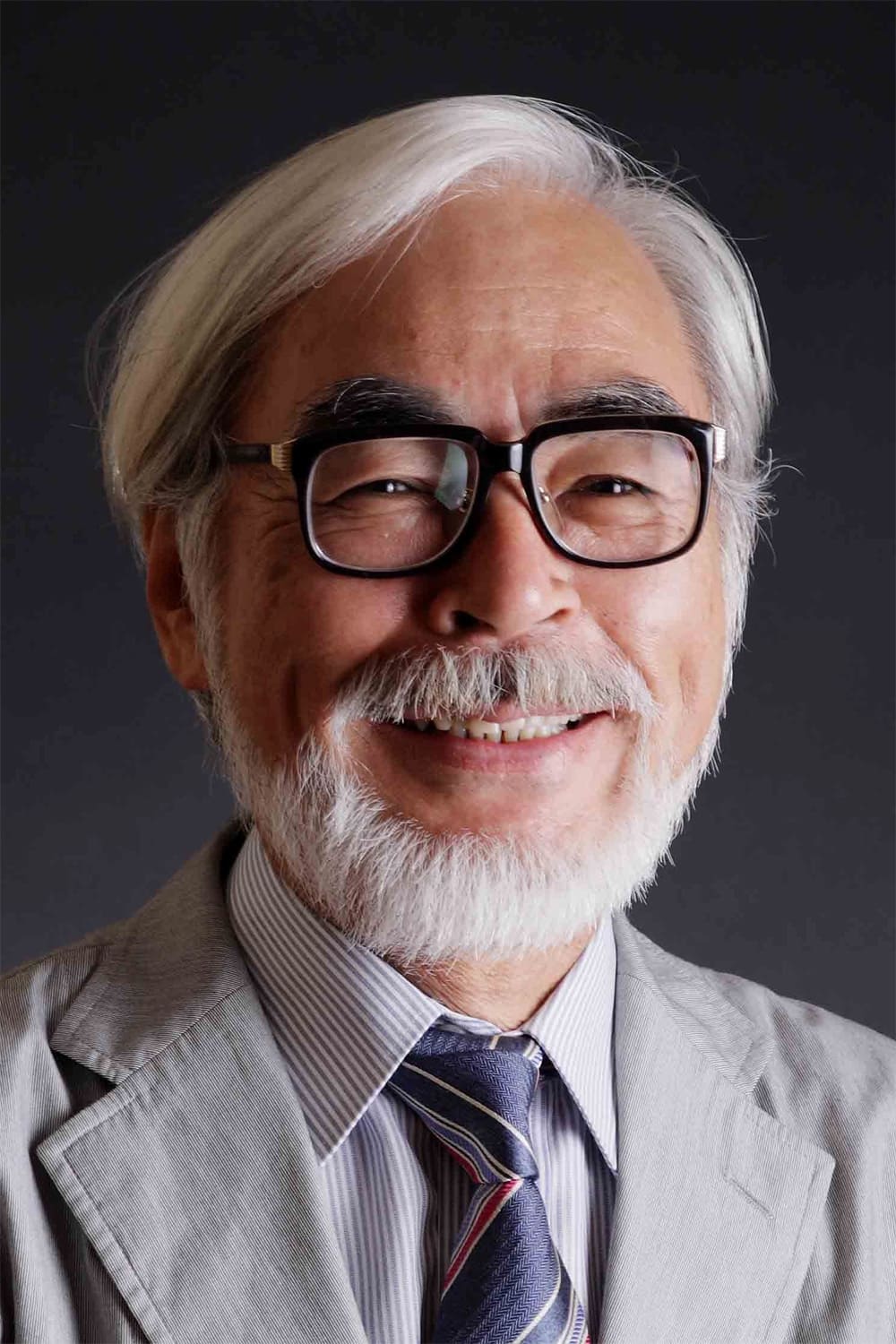
Hayao Miyazaki
Hayao Miyazaki (Miyazaki Hayao, born January 5, 1941) is a Japanese manga artist and prominent film director and animator of many popular anime feature films. Through a career that has spanned nearly five decades, Miyazaki has attained international acclaim as a maker of animated feature films and, along with Isao Takahata, co-founded Studio Ghibli, an animation studio and production company. The success of Miyazaki's films has invited comparisons with American animator Walt Disney, British anim...
Films Analyzed
Theme Analysis
The recurring motifs and narrative DNA of Hayao Miyazaki's filmography — each theme tested film by film.
Ambiguity between good and evil
Anti-war
Planes/flying
Caring for the environment
Whimsical/fantasy
Spells and curses
Female lead/kids
Miyazaki loves pigs
Every theme on this page was commissioned by a patron. Want the hosts to chase yours next?
Join on PatreonThe Courses
5 episodesOne film per episode — each course a full deep-dive with its theme verdicts.
Director Trivia
Table talk from the degustation — context, behind-the-scenes, and the odd easter egg.
Behind the Scenes
20The film was originally going to run three hours, and cutting it down to two hours was one of the hardest parts of the process for Miyazaki.
Miyazaki did not have a fully worked-out story before production started: he was still storyboarding as production began, and he says he doesn't make the film, the film makes itself.
John Lasseter, who had befriended Miyazaki, was given responsibility for the film's English-language version for American audiences. Miyazaki is famed to have sent the studio a sword with a note saying "no cuts".
The film is based on a three-part watercolor manga by Miyazaki himself, one of several of his films that draw on existing texts, as Howl's Moving Castle does.
Michael Keaton voiced Porco Rosso in the English dub, but Miyazaki said he preferred the French version, particularly for Porco Rosso's character.
The Japanese cast features Moriyama Shuichiro as Porco Rosso, Okamura Akemi as Fio Piccolo and Otsuka Akio as Donald Curtis. Gina, played by Kato Tokiko, is not credited as a main character because she does not appear in the manga.
Miyazaki's famous "no cuts" message to Disney came out of the way Nausicaä had been butchered in its American release, and out of Disney wanting to cut Princess Mononoke down to bring its rating to PG.
Neil Gaiman adapted the English dub from a full translation and was only meant to change small bits for clarity. Quentin Tarantino was reportedly approached before Gaiman to adapt it.
San is voiced by Ishida Yuriko and Ashitaka by Matsuda Youji, who also voiced Asbel in Nausicaä of the Valley of the Wind, another love-struck boy following a strong woman around.
Moro is voiced by Miwa Akihiro, who also voices the Witch of the Waste in Howl's Moving Castle. Miwa is known for playing a female impersonator, fitting because wolves carry a masculine quality in Japanese mythology.
One working title was The Legend of Ashitaka. San doesn't appear until about twenty minutes in, and one of the producers worried about keeping the runtime within two hours.
Miyazaki didn't want the leader of the Ironworks to be a man because it was boring and not progressive enough, so he put a woman, Lady Eboshi, at the helm.
Sumi Shimamoto, who voices Nausicaä, also played Toki in Princess Mononoke. Sakakibara Yoshiko voices Kushana and Naya Goro voices Lord Yupa.
Many of the pieces of technology the Tolmekians use bear a passing visual resemblance to German technology from World War II, a rare nod to a real time and place in a Miyazaki film.
In the Japanese version, Kimura Takuya plays Howl and Baisho Chieko plays Sophie, a single voice actress in the role the English dub splits between two.
Christian Bale, who voices Howl in the English dub, wanted to be involved after seeing Spirited Away and recorded the role just before he made Batman. Bale is Welsh, and in the novel Howl's black door leads to his homeland, Wales.
The English dub splits Sophie between two actresses, Emily Mortimer and Jean Simmons, who voices grandma Sophie. It was Jean Simmons' last feature film.
Before the film premiered, Miyazaki went to England in the summer of 2004 to give a private screening to Diana Wynne Jones, the author of the novel the film adapts.
Context
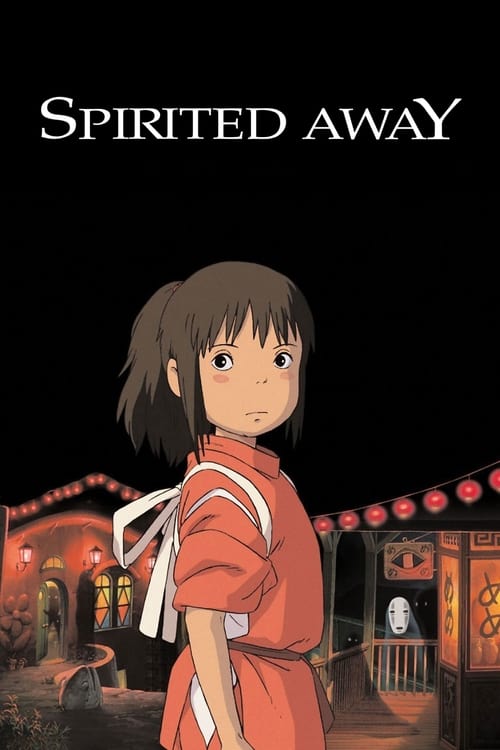
18Chihiro is based on the daughter of one of Miyazaki's friends, who seemed sullen and despondent on a trip away. Miyazaki had officially quit after Princess Mononoke, and that same girl inspired him to come back and make this film.
Miyazaki read manga and magazines aimed at 10-year-old girls and found none of them useful, since they were all about getting the guy. He made Spirited Away to give 10-year-old girls a heroine.
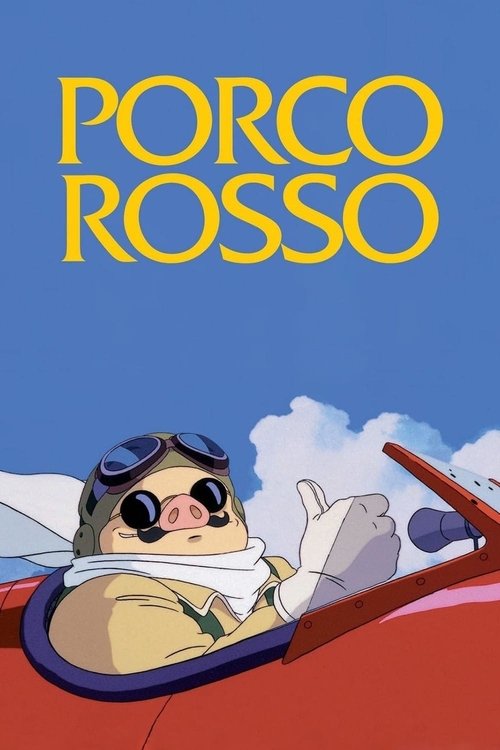
Porco Rosso came out in 1992, early in Hayao Miyazaki's career, with Miyazaki as writer and director. The score was composed by Joe Hisaishi, who has done the score and soundtrack for pretty much all of Miyazaki's films.
The film's original Japanese title is Kurenai no Buta, known elsewhere as Porco Rosso, which translates into English as The Scarlet Pig.
Unlike most Miyazaki films, whose settings are deliberately ambiguous, Porco Rosso can be placed at a point in time: it is set after World War I and draws on real-life places, with some details moved around.
In earlier interviews Miyazaki described Porco Rosso as foolish, explaining that it was foolish to make a film for kids about adults.
As a child Miyazaki used to visit a blacksmith and was awed by the craftsmanship, but seeing the resources needed to make iron helped inspire him to make Princess Mononoke.
Part of the film draws on Shuna's Journey, a graphic novel written and illustrated by Miyazaki about a prince who rides an elk, an influence on Ashitaka's steed Yakul.
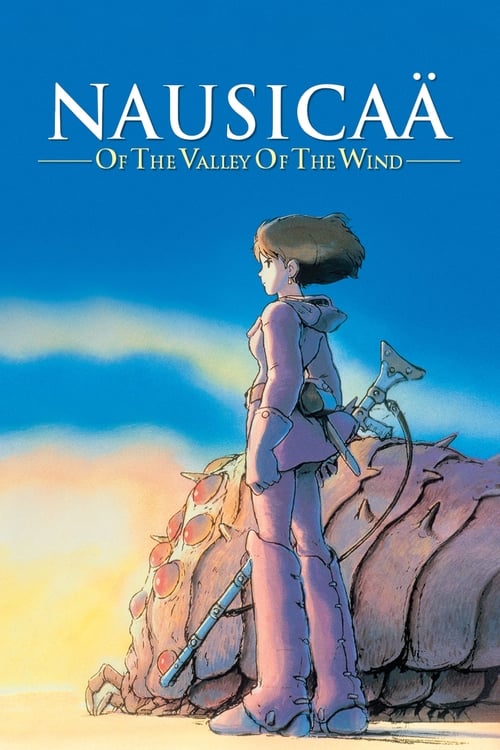
Nausicaä of the Valley of the Wind was the first official film from the pairing of Hayao Miyazaki and composer Joe Hisaishi, who scored every film of the degustation. It came out in March 1984.
The film is based on Miyazaki's own manga. In the manga, Kushana's second-in-command Kurotowa serves as a double agent before choosing to dutifully serve her, a thread the film does not really outline.
Ohmu, the name of the film's giant insects, means king of insects in Japanese and is short for Ohmushi, which means big or great insect.
Nausicaä was made before Studio Ghibli was established in 1985, though it is still a Miyazaki film. It was the late addition that turned the degustation menu from four courses into five.
Nausicaä takes her name from a princess in Homer's Odyssey, and the name means burner of ships, which the hosts contrast with Helen's face that launched a thousand ships.
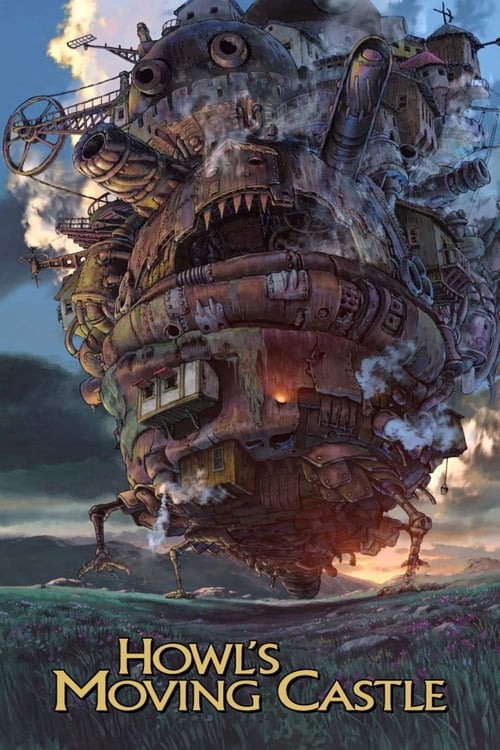
Howl's Moving Castle (Hauru no Ugoku Shiro) was released in September 2004 and premiered at the Venice Film Festival, with Hayao Miyazaki directing and Joe Hisaishi composing the music.
Miyazaki said he made Howl's Moving Castle because there are too many unhappy matters in the world, such as wars and economic crisis, referring to the Iraq war, which was also why he did not attend the ceremony for Spirited Away.
Miyazaki started out drawing landscapes and was very good at it, but always had trouble drawing people, which is why his films put so much focus on the landscape.
Reception
9Spirited Away was released in Japan in July 2001 on an estimated budget of $19 million and went on to a worldwide gross of $347.7 million.
Spirited Away was the first Japanese film to win the Oscar for Best Animated Feature. At the Japanese Academy Awards, only two animated films have won in that category: Princess Mononoke and Spirited Away.
Miyazaki did not attend the Oscars when Spirited Away was nominated for Best Animated Feature. In 2009 he revealed that it was because he disagreed with the war in Iraq; he had been told not to say anything.
Porco Rosso was made on a budget of 9,200,000 and went on to take 59,000,000 US dollars at the box office.
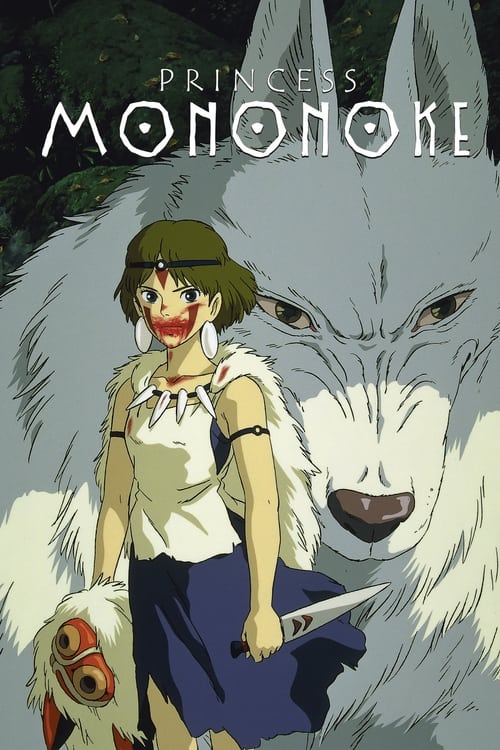
Princess Mononoke was the first animated film to win the Japanese Academy Prize. There is now an animated category, but at the time it was up against films that weren't animated.
Released in July 1997, Princess Mononoke was one of the most expensive animated films ever made, and it grossed $162,100,000 worldwide.
The film's budget was estimated to be 1,000,000 US dollars and its worldwide gross was 2,300,000, a neat return though not a lot for the time.
The American release butchered Nausicaä of the Valley of the Wind: it was renamed Warriors of the Wind, and the cuts completely lost the whole meaning of the film.
Howl's Moving Castle was made on a budget of $24 million and went on to earn a worldwide gross of $236.2 million at the box office.
Easter Egg
3The beach on the secluded island where Porco hides out with Fio is based on a real beach in Croatia.
Miyazaki named a lot of the pilots in Porco Rosso after famous Italian pilots, a detail KT points out while discussing Porco's late best friend.
The film opens with the WWF logo, the wildlife fund and not the World Wrestling Federation, putting the organisation's branding behind its environmental message.