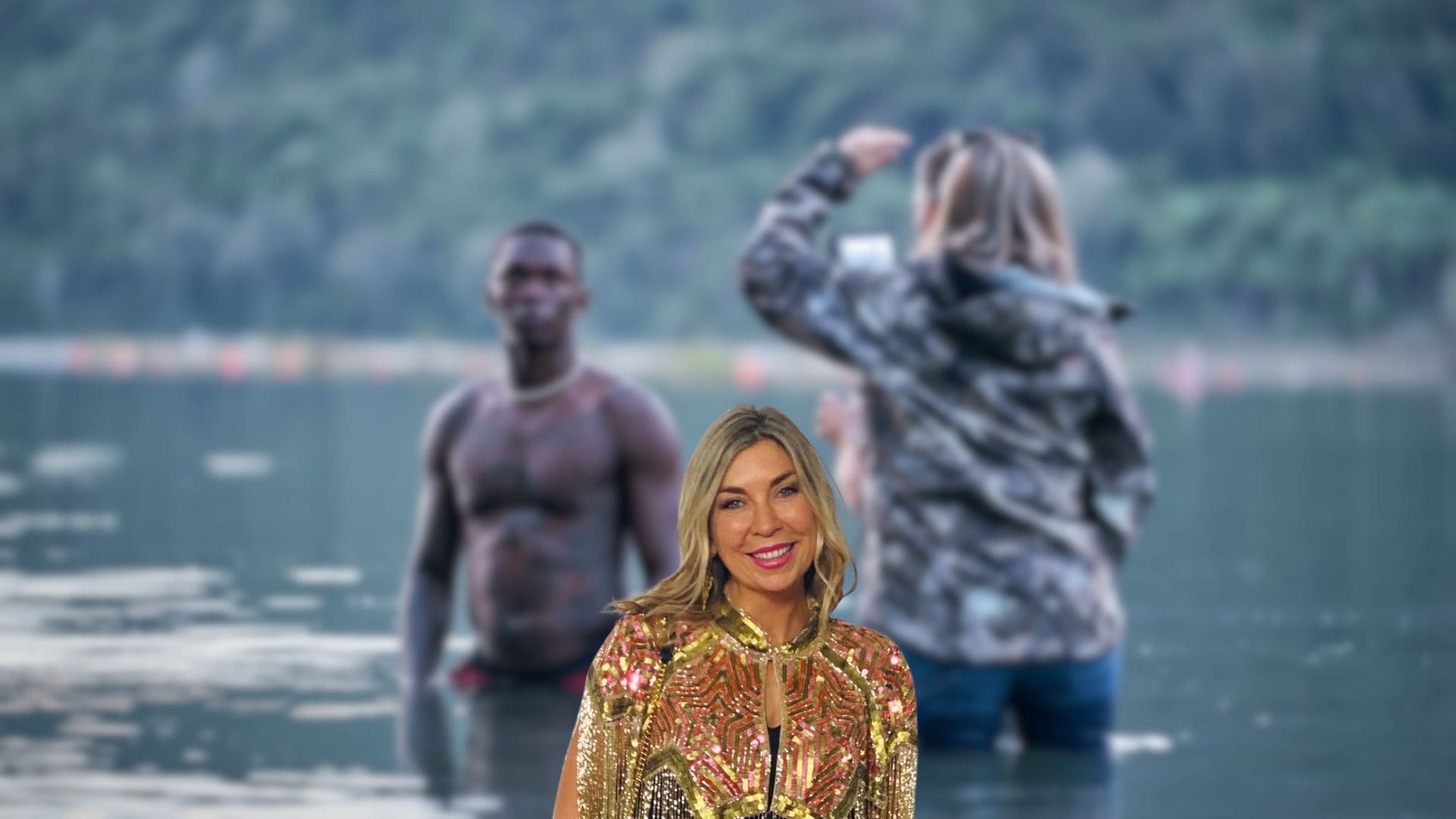
Interview with “Stylebender” Director, Zoë McIntosh


Hosted by
KT & Oti
Show Notes
Award winning filmmaker Zoë McIntosh brings to life specific and interesting stories that centre the human experience.
STYLEBENDER is an intimate look at Israel Adesanya, the Nigerian-born, New Zealand-based MMA champion, its global premiere at the Tribeca Film Festival in June 2023, where it was nominated for Best Documentary and Zoë was nominated for Best New Director.
Stylebender will be in cinemas only from 28 September
Episode Details
- Duration
- 0:00
- Released
- September 26, 2023
- Category
- Interview
- Hosts


Transcript
Transcript (2,528 words)
Full transcript of Interview with “Stylebender” Director, Zoë McIntosh.
KT: Award winning filmmaker Zoë McIntosh brings life to specific and interesting stories that center the human experience. Stylebender is an intimate look at Israel Adesanya, the Nigerian born Aotearoa based MMA champion. It had its global premiere at Tribeca Film Festival, where it was nominated for Best Documentary and Zoë was nominated for Best New Director. Stylebender will be in Australian cinemas only from the 28th of September. Zoë, thank you so much and welcome to the For Your Reference Podcast. My pleasure. Thank you for having me. Um, well, first off, we're matching, which is very cute. We love a yellow moment. Yeah. Tribeca. Wow. Well, first off, congratulations on the nominations.
KT: Um, what was it like having a global premiere at such a prestigious film festival?
Zoe: It was fantastic. It was, um, it was everything I actually imagined, because sometimes you build these things up and you hype them up, but it just delivered. But to see. A film that I've worked on since 2019 premiere at this prestigious festival and just get so many great, um, reactions and feedback. It, it really was just awesome.
KT: Yeah, and you also touch on the fact that you filmed this over a five year period. Um, and I also noticed in another interview you talked about how important it was to have creative control. Um, we love watching documentaries and I think the best documentaries are the ones that can dig deep, especially on who the subject is. So, um, I'd love to hear a bit more about how important having a creative control was.
Zoe: Yeah, having creative control was absolutely essential. I don't think I would have touched the project. if I didn't have that. Um, it's essential because he's obviously a superstar and there's a lot of gloss and there's a lot of hype and I wasn't able to get underneath what was really going on on who he really is. Um, I just don't think it would have had cut through and so it was crucial for me to, um, come on board, have creative control, uh, but also have Izzy on board with going deep.
KT: Yeah, yeah, yeah. It's so important. And I guess if you get too involved, it's like, Oh, don't show me on that angle. Don't show me doing this. And, um, I'm so excited to talk about. And I've had that before. Yeah. Yeah. And it's like, I'm polished and I'm perfect. And I look like Beyoncé every time I wake up. Exactly. Exactly. But I'm very excited to talk about Stylebender. Um, and also just like the filmmaking process of it all. Um, you know, I'm not a sports gal, so I don't really understand, um, a lot about that.
KT: But I obviously knew his name, Israel Adesanya. Um, and I guess watching this documentary was getting a peek into, um, his life. And even though I didn't necessarily understand sports, you can see he's got a lot of talent. So he was definitely gonna go from strength to strength when you started filming him. How did you know, or did you even have a definitive sort of time frame of, okay, he's going to be amazing. We're going to have an Israel Adesanya cinematic universe, but we're going to cut it here.
Zoe: Well, like with doco, you have to kind of like take a, you have to have a, take a leap of faith. Um, there's a real risk that potentially your character isn't that interesting or that, uh, their journey. doesn't kind of have peaks and troughs and doesn't make a dramatic story in front of you.
KT: The rollercoaster, Zoë, the rollercoaster.
Zoe: I know, um, but in this case, uh, I don't know. I just had a really strong gut feeling. And I often get that with project and I get this like fuzzy inside and I just knew I had to pursue it. And I'm so glad I did. And I just think what this film does is it does get deeper. He's so saturated. He's all on the, on the media. Um, and I feel like this film really does show a different side to him, a very vulnerable, truthful, authentic side. And I feel proud of that.
KT: Yeah, and I guess that was one of the things watching this documentary, like, I want to love this fella, I want to know this fella, like, let's get a little bit more into detail, and that's exactly what, um, you achieved in Stylebender. I want to talk a little bit about, I guess, the more vulnerable sort of themes that we explore in Stylebender. Particularly. You talk about him being on a global stage, whether it's him fighting or whether it's just his presence, you know, he's got that sort of charisma. I love how Stylebender really took it back to his childhood and racism and bullying.
KT: And, um, I kind of want to talk about, Well, first off, there was so much care in that, and I give a lot of love to you for doing that. Um, but what was it like in, I guess, ensuring the love and the care was there for him to speak on his experiences as a young Nigerian black boy in Rotorua?
Zoe: Yeah, beautifully put. Um, It's always super delicate, but with him, I think it was especially delicate. Uh, I could just see and feel right from the get go that there was still this young boy inside of him. And it was actually really interesting going back to Rotorua with him in those school grounds, because you could feel it. Like, he immediately dropped into that bullied outsider. Um, so I had to be extremely delicate and careful. Um, yeah, so it was a journey, and I think as a documentary maker, you just have to be truthful, straight up, and I think genuinely care, and I did, I was interested, so I think you could see that.
KT: Yeah, and I think if everyone's already in love with him, they'll fall in love with him, um, again. So, I guess mental health with black men is something that doesn't really get the spotlight, especially if it's black men in general not really talking about their mental health. We start with the therapy session, like, like it's such, it's such a beautiful moment because I, in another interview, you did talk about, um, that there would be therapy sessions. I didn't realize that we would be like, okay, this is it. And we're getting into it. I am a big advocate for therapy. I love it. But I don't know if I'm ready to have my therapy sessions documented in a documentary. And I guess, like, going back to the previous question of that love and that care, there are some really vulnerable, intimate moments throughout the whole film in these sessions.
KT: What was it like filming, like, being there, being present, but also being conscious that he's going through?
Zoe: Yeah, great, uh, great question there. I think it was, well, first of all, it's good to get a bit of insight that, uh, I had to, I guess, be vulnerable myself. So I went, once I found out he had a therapist, I went and did like this four day retreat just to connect with Janet and to understand her method. And then I kind of approached Izzy and was like, hey man, we've got a film here if we go into this. And also, I'm so sick of documentaries where it's like sit down interviews, tell me about your backstory. So I thought it was just this wonderful way where you could observe this character and get deep, deep into him.
Zoe: But not through that traditional doco lens, you know, um, and it was, it was done with a lot of care. So like those therapy sessions that you see in the film, that's just me setting up audio, camera, and then I'm out. I'm letting that like evolve and happen. It's not me being like, okay, now talk about your, your, I don't know, family or whatever. Yeah.
KT: I think what I resonated, cause I got very emotional, I even cried a couple of times watching Stylebender. Um, I think what really resonated in Stylebender is just the human fucking, sorry, my language, but the human fucking experiences that we went through and that we followed Israel going through. I think something that a lot of us can relate to, especially in years of a pandemic or just, you know, growing up in general is grief. You know, rest in peace to Fau Vake, um, and that was covered in the film, like even researching it, I was like, whoa, and then it was in the documentary and I'm like, whoa, this is, we're really in, we're not, we're not switching to something comical, we're staying in this moment because this is where the hurt is, this is where the pain and sometimes a joy and release in grief is.
Zoe: Yeah, I think it's, I think, I'm always fascinated by people who, uh, have adversity in their life and somehow... Can go through it, acknowledge it, grieve like that's there, then push it to the side, but somehow they triumph, somehow they like use it as power and energy and can show that it can almost like make you better, or I find that really interesting because it's really up to our brains to have that choice, what way we want to take these hard circumstances, you know, so yeah, I, I, I found that stuff really interesting.
KT: Yeah, and, um, I guess this is more of like a, a filmmaking question, there are some great lines in this documentary. I'm saying like he's a character, but he's a real person It's better to be a warrior in a garden and the character you see is one I created Were there any sort of moments when you were in the cut and you're like, oh Oh, this is the one. This is the one for the trailer. This is where we put this. Like, these are the great lines.
Zoe: Yeah, he's very, uh, he's very succinct and articulate. So there were some cracker lines, but, uh, I especially like the one line where I pay him out for, he always says, pressure makes diamonds. Yeah, yeah, yeah, yeah, yeah, yeah. And there's one in the film where I, like, give him shit for that, which is funny.
KT: It was nice though. There were a couple of moments throughout the film. I was like, Oh, I think that's Zoë. Like behind, like the, the, it's just the way that he connects with the world. Like you're there and he's conscious of you being there. Um, I want to talk about, uh, a scene in the film where he talks about like, not necessarily having any sort of privacy, you know? And he says that he's used to you guys as the camera crew, but then you'll see moments where he's just trying to live, man. He's just trying to be with his pets. And have a good time.
Zoe: Yeah, I mean, fame is a alluring thing, but it also comes with a cost. And that's what I saw, and I think the film really dives into that. Uh, I mean, he, he was talking about the other day, just how he cannot be at a family dinner, just being really present with his family without just hordes of people just coming in like, you know, a big black storm just cruising in and and infiltrating. So yeah, it comes with a cost, I think.
KT: I want to talk a little bit about like the controversial, because he, he's a big presence and he's a, you know, he, he might ruffle some feathers and that sort of thing. Um, also when I was doing the research that was about him talking about, uh, the Australian New Zealand boxer and him being Maori and not being Maori, but that wasn't in the documentary. But then there was a particular comment that he made and I think it was, I think the way that it was framed it made a lot of sense because it talked about him processing and him grieving as well from a filmmaking point of view.
KT: Was there a process to, I guess, capture. Controversial sort of moments in the fallout or is it like I'm just going to be in this moment and wherever he's going to go is where I'm going to go.
Zoe: Yeah, it's an interesting question and it's, it's, again, it comes back to that creative control. There's no way that I could have made that film without it. And I think what you see in the film is, is moments where there is controversy. Controversy. And. You know, it's uncomfortable. You don't necessarily agree with him. Uh, but I couldn't not have those moments in there because otherwise it's, it's not really a reflection of what was going on or perhaps what he's like. So he is controversial and yeah, I mean, I think as a filmmaker, you just have to, you have to show that.
KT: Playfully, controversially, I was looking for all of the anime references because even his name Stylebender speaks to The Last Airbender. But no, I counted two. I counted one from Naruto and one from Attack on Titan. So enjoy picking up
Zoe: You've done your research, girl!
KT: Weebs are us, you know? I love a good anime.
Zoe: There should have been more, because I actually found that stuff fascinating,
KT: because, Because I about it. Like, there was no time to
Zoe: I know, I interviewed him about it, but there's just so much, like, you just can't fit it all in. But I loved How he was from such a young age drawing inspiration from these comical or these, uh, animated figures and literally telling his brain, I can morph myself into this like these, these characters are here for me to learn and develop my own self, which I, I mean, it was pretty powerful.
KT: Uh, so it's like, you know, the human in me is like, let's talk about therapy and grief and the weeaboo in me is like, where's the anime? They're not enough anime. I hear ya. Well, I want to thank you so much for your time and wrap up, um, with our final question. We finished our reviews with a recommendation. So what would you pair with Stylebender as a double feature?
Zoe: Oh! I mean, The Last Dance is an obvious one, but I think we can do better than that. Yeah. Yeah. Well, that's, that's it. Yeah. I'll leave it there. Cause my brain's fried.
KT: No, The Last Dance is great. Thank you so much for your time. Sorry. I promise I won't hit up your DMs for more anime references. I love it.
Zoe: I really enjoyed that. Let's snap.
KT: Like look at that. Let's do it on the yellow wall. Thank you so much. Take care. Bye.
Related on FYR
Discussion
Loading comments...