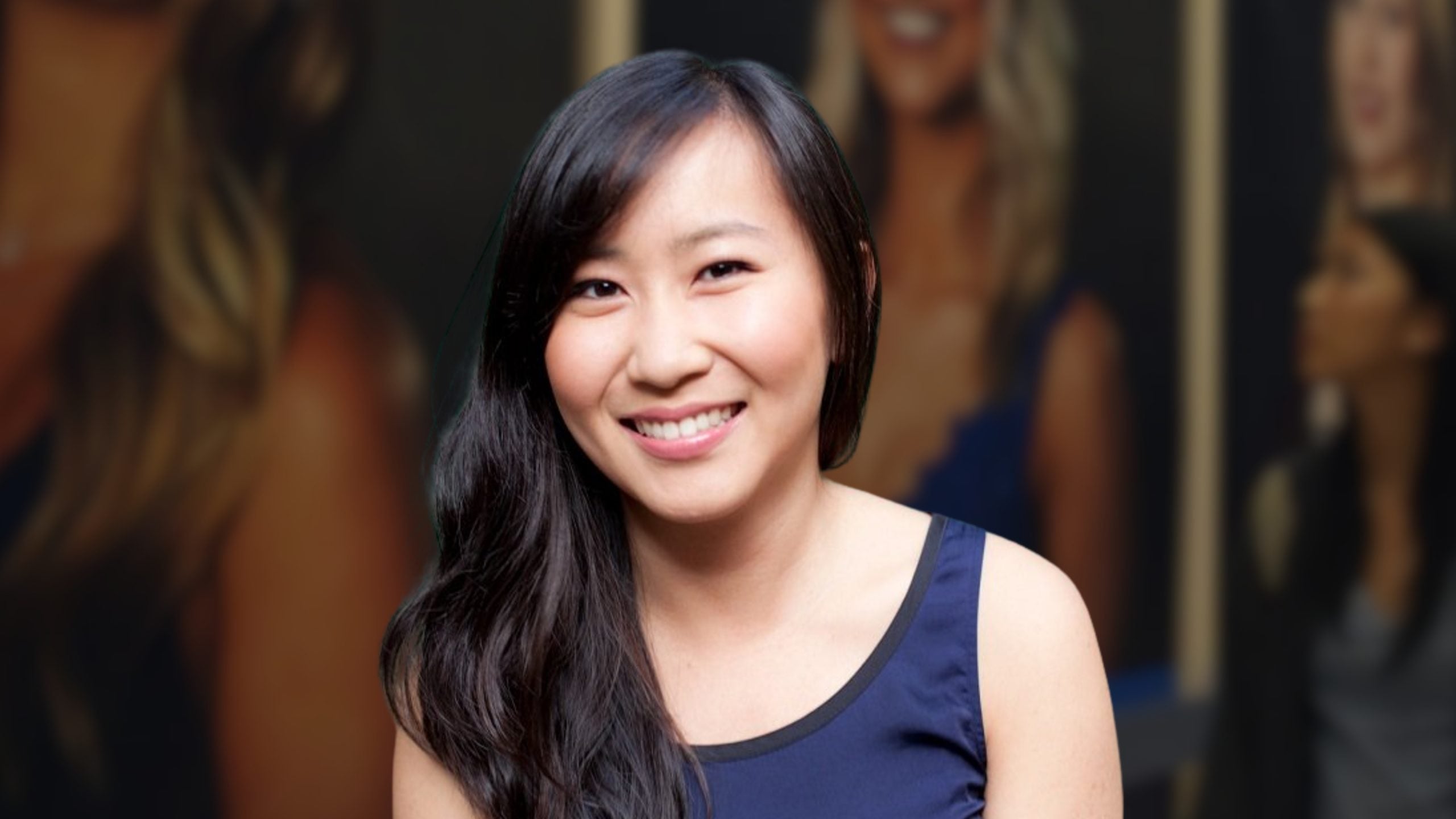
Interview with “Slanted” Writer/Director, Amy Wang


Hosted by
KT & Oti
Show Notes
An insecure Chinese-American teenager undergoes experimental surgery to appear white, hoping to secure the prom queen title and peer acceptance. Slanted will be screening at this year’s Sydney Film Festival (SFF) on June 9th, 13th (sold out) & 15th.
As suggested by Amy, double feature watching of Slanted & Being There
Episode Details
- Duration
- 0:00
- Released
- May 29, 2025
- Category
- Interview
- Hosts


Transcript
Transcript (2,634 words)
Full transcript of Interview with “Slanted” Writer/Director, Amy Wang.
KT: An insecure Chinese American teenager undergoes experimental surgery to appear white, hoping to secure the prom queen title and peer acceptance. Slanted is that gal. You better book your tickets. Friends and lovers. Um, Amy Wang. Thank you so much and welcome to the For Your Reference podcast.
Amy: Of course. Thank you for having me.
KT: Uh, before we dive into the trenches, I just wanna start off by saying congratulations. It's also been really nice watching all of the press, um, for this film. But congratulations on winning Best Narrative Feature at 2025 South by Southwest.
Amy: Thank you so much. Yeah. It was very unexpected. Um, I hope my acceptance speech never sees the light of day because it's embarrassing. Just me swearing for, you know, two minutes. Um, very
KT: on brand, but
Amy: Yes, yes, but very technically
KT: and white Australian. It's very I know, I know,
Amy: I know. I sometimes feel bad when I'm in American meetings because nobody swears like we do. Yeah. It's really, yeah. It's really hard, but it's, it's been great.
KT: It's an art form. Well, I'll say congratulations on your fucking feature film.
Amy: Yes, totally, totally. Yes.
KT: Um, it was, it was so interesting 'cause the film is based in America. Um, but you grew up in Australia. I grew up in Western Sydney. Represent, um, nice. I, yes. Nice. So, you know, we are whereabouts in Western Sydney?
KT: Blacktown where? Tony Collective. Oh, nice. We two legends.
Amy: Two legends. Yes. Very cool. I love it.
KT: Blacktown Girls High School. Um, you know, if you wanna be specific. Yeah, yeah. Um, so I, I can, I guess I can understand a little bit about the identity of it. I didn't necessarily have a. I wanna wake up and I want to be white. I think I was busy fighting my own cultural, yeah. I had my own demons essentially that I was fighting at the time. But you've mentioned in interviews how you're like, man, life will be so much easier if I was white. It'll be un Yeah. Yeah. There'll be a little less totally flavor. Um, but I just love to hear a little bit about that. Obviously, I know you've answered this, um, quite a few times. Yeah. From Sydney gals to Sydney gals.
Amy: Totally. It, it feels different. Yeah, it feels different talking to another Aussie about it. Um, you know, but yeah, like I think, I think part of was was because um, I wasn't born in Australia. I was born in China, um, and I moved over when I was um, about seven. Um, so that was kind of such a big culture shock for me. And it's very similar in Slanted 'cause it's the same thing, you know, without my character. And, um, to me I was just kind of bombarded with, um, Western culture and what I needed to shed. Um, I also started working really early 'cause I wanted to make money to buy, um, CD when I was a teenager. So I started working at Target. I was my first job when I was like 14 and 10 months or whatever the legal age was to, to start work.
Amy: And I feel like. I worked at Target, I worked at David Jones, and then, um, best job ever worked at Blockbuster Video. But, um, you know, there were retail jobs and I had to talk to a lot of white Australians and serve a lot of white Australians. And oh my God, like every single week I would have multiple people be like, wow, you speak English without an accent, or, yeah. Wow. Like, um, where are you from? Like, how long have you been Australian? And just made me from, you know. My very formative teen years kind of realized, oh, it didn't matter if I spoke English with the most Australian accent or whatever. I would always be seen as, um, not, not one of you.
KT: Mm-hmm.
Amy: Um, so that kind of, it just. You know, there were definitely a couple times throughout my life growing up in Sydney where like things were thrown at me. People pushed me and said some way harsher things, um, than that. But I think just the consistency of that feedback mm-hmm. Caused me to really, um. Just really, uh, grapple with this idea of I, no matter what I do, I'm just gonna be different and I don't want to be different. I wanna be cool. I wanna be a surfy blonde girl. Um, you know, who can afford to like buy Bill Billabong and Roxy? ' cause those were like the cool brands when I was growing up. And, uh, yeah, yeah, yeah. Totally. Yeah. Yeah. And, um, there were a lot of photos. I mean, they were expensive as well, so like, you know, um, it just, all of those things caused me to think that, to, to wake up and think, man wouldn't like just be easier if I was just white and wouldn't have to face all of this.
KT: Yeah. And then I think it becomes like, uh. Without getting too, like in the trenches, ready to fight the picket lines. Um, but it does become systemic sort of conversation. And I guess even like, obviously growing up in Western Sydney definitely had a lot of, we're all poor, so I don't know why the white people Yeah, we're all in the same, we're all in the same shitty boat with holes, but anyway, um, right, right. But like on a lighter sort of note, like my name's Cat. Like sometimes people say here, um, and it becomes such a woo woo conversation of like, you need to own your name. And it's like, no, because it becomes a cookie for you. It becomes a competition. Like I know who I am at the end of the day. Totally. Um, if you wanna buy my life, right, Damien?
KT: I'm kidding.
Amy: Yeah. Maybe.
KT: Um, but this film, but yeah, I feel that felt, yeah. But this film felt like a personal sort of catharsis. Um, the author R. F. Kuang, Yellowface, um mm-hmm. Came to mind when I was watching this film as well as Cord Jefferson's American Fiction. Yes.
Amy: Yes. Um,
KT: we recently did a foray into Spike Lee, um, like a Spike Lee retrospective. Nice. So Bamboozled just like, yes. What's, what's all this shit you expect from me? I'm just gonna put it down all on. Um, no, that's,
Amy: that's exactly, yes. Yes. And you are actually the first person who has mentioned Bamboozled and, um, American Fiction, both of which I did watch, um, when I was, she was just filmed
KT: and others, yeah. He analyzes structure and themes.
Amy: Um, you know, that I, I watched when I was writing the script, um, I, I watched a lot of satire. Um, I watched, um, one of my favorites was, uh, Sick of Myself by this great filmmaker. Um, I can't remember his name. Um, Kristoffer, I think something, uh, but he, he had directed Dream Scenario as well.
KT: Ley reinterviewed him on the podcast? Yeah.
Amy: Oh, really? Oh my God, dream. I'm, I'm so sorry if I, if I, um, butchered his name. Um, but I'm, I'm a huge fan of his, I think both of his films, I think he's only done two features. So far, um, uh, incredible. And he's very great at, uh, balancing tone, you know? Mm-hmm. Because Dream Scenario is, is at, at the same time a nightmare and a satire, uh, and something that I tried to balance in Slanted.
KT: Mm-hmm.
Amy: Um. Yeah. Was that your question? Like kind of, you know, what were the thing Absolutely. That influenced me.
KT: Yeah. Yeah. Um, and you, you talked about Boots Riley, Sorry to Bother You. Yes. Um, I just kind of think of the horse dick men. But that might just say more about Yes.
Amy: Oh my gosh. Yeah. That was crazy. That was a crazy left turn. Yeah.
KT: And then also Get Out. 'cause when I was watching, when we were watching the screener with Oti, I was like. This is like if you took the wrong lesson out of Get Out, like it's like no, go. You're in danger. Other way. Other way. Yes.
Amy: Yes. Totally interesting.
KT: Sorry, it's interest ahead. Yeah, because I would say it's utilizing genre, but you talk about hiding the genre, like I guess like hiding the vegetables, which I thought was actually quite interesting, but I guess it's trying to be accessible and bring people in. Sinners right now is, I guess, masquerading as a horror, but it's way more than that. Yes. And Slanted is so much more than that. Yes. But I appreciate the sentiment of hiding it, but I think I would also say. Sci-fi and horror are kind of a way Yes. To elevate and illustrate. This is the shit that's always been there, guys. You just need an alien Yes. To be able to understand it.
Amy: Yes, absolutely. Yes. And you mentioning Get Out is like the, the perfect example of hiding, right? What, um, Jordan Peele was really trying to say about race within Yeah. A, a horror comedy. Um, and that's kind of, yeah, what I wanted to do because I felt like if I just did a straight drama, I think it would've been more difficult for audiences to swallow. 'cause I think, I think it would've felt more like, oh, it's, it's preachy or, you know, you are hitting us over the head. Um, so I wanted to add those elements to, yeah, to, to make it more entertaining and interesting.
KT: I'm sorry that this turned into a film club. I feel like I could geek out film with you. Um, but going back,
Amy: No, I love films.
KT: Going back to the film Slanted, um, there's obviously, you know, the, the really fun sort of genre that you can play with it and have fun with it, but I got emotional a couple of times watching this film. Um, yeah, and it had to do with the parents, and I don't like to mention the lines too much, but the mom. Said a couple of things that I was like, oh, I don't even know if this is a therapy. And it's like, you are speaking to yourself. I'm speaking to myself as, as if I'm parenting myself. Um, yes, but the, the one line that I will share is the dad, because they obviously have a close bond, but he talked about the grandma and living on your face.
KT: And I'm actually off of my dad's mom. And I think that's also why I was like, oh wow. Fuck man. I was like, this is heavy. Heavy. Yeah.
Amy: Yeah. Yeah. I mean it's um. That's, that was again, an, an added layer of something to balance, right, because, um, it was supposed to be satirical and funny, also horrific with the body horror. But also I really wanted the family story to be grounded and to be emotional and the amount of, I mean, you included the amount of. Outpouring like on Letterboxd and like when I, like when I was walking, um, from the premiere at South by to our after party and like multiple people stopping in the streets, um, people of color and, and told me how much they related to the family and, and to this idea of shame and, um, their tears in their eyes.
Amy: It just, it, it, it was the absolute best feeling in the world. Um, and. Yeah, like I, that's all I want, um, when I make a movie, is to, um, make people feel like they're not alone.
KT: Well, you know, I, I love a good cry. That's kind of where I feel like very, I love grounded sort of film, so I'll always find a way to ground something, even if it's like, yeah, up in space. But I guess like having a little bit of fun with it. There was a Michael Bublé reference. I'm not gonna take the punchline away, but I just know Amy. 'cause the way that we're vibing now, I know there was a white, am I right? Cutting room floor? Um, yeah, I would love to, like, if you just have it a few, if you like, just to rattle off of like quintessential white, like sort of references or that might have fit in that line instead of Michael Bublé.
Amy: Oh gosh. There, there were. Okay. The, that line, um, I feel like there weren't many alts for that particular line, but there were a lot of alts for the, um, testimonials that were playing on the tv. Yes. Yeah. So there were a lot of, um, I mean. Oh my gosh. I kind of remember now like, um, you know, I like reached out to a lot of my like writer friends as well to kind of be like, okay, let's do some, um, drug pitches. Like one of the, um, testimonials I made into the movie was my producer's ex-girlfriend's pitch. Um, 'cause she was a black woman. She was like, okay. All, um, I, I don't wanna spoil the joke, but Yeah. It, it had to do with NBA players. Yeah. But, um, you know, there were a lot, but I can't, I can't think of any, I. On top of my head right now, but there were a lot, there were a lot with the testimonials that, um, that's okay.
Amy: You know, I wish I had more time for Yeah.
KT: Um, if, if I can indulge myself very quickly. One of my first jobs was at a stock and station agents. I don't know if that Oh, wow. Travels outside of Australia. I know. It was a not-for-profit and it was winter. It gets cold in Sydney, friends and lovers. So I was wearing a beanie. Um, and there were like these, a group of old middle aged, like stock and station agents that came to the office and one of them very nicely, I guess if that helps, walked up to me and said, hi, I respect your religious covering. Like, it's man. Oh my God. That's ridiculous, man. You can't just have a cute moment, um, when you're not.
KT: Yeah.
Amy: Oh gosh. Yeah. It's always, it's always something I feel like. That they'll, they'll bind or I don't know. Uh, pinpoint. Yeah.
KT: Yeah. Like, ooh, this is exotic. It's like, I'm sorry that happens.
Amy: Yeah.
KT: Sorry. Sorry that happened to you, but without the horse dicks, unfortunately. Yes. Well, um, I, I want to thank you so much for your time, Amy. I know I took of course, a little bit extra of your time. I'll meet you at the white people, am I right meeting next month. Yes. Um, I wanna wrap up with our final question. So we finish our reviews with a recommendation. So what would you pair with Slanted as a double feature?
Amy: Oh, man, great question. Um, gosh, I, okay. One of my favorite tis that I discovered when I was researching was, um, Being There. This movie, um, I think was in the seventies. Um, it's, uh, it's got Peter Sellers, I believe, as the lead. Um, and it's a fantastic satire. Um, I don't even wanna ruin what it's about, um, but I feel like that would pair pretty well with, with Slanted.
KT: I think we pair very well, but that might just be, it might just be me. Amy, thank you so much for your time.
Amy: No, I, I agree. Of course. Thank you for having me.
Related on FYR
Discussion
Loading comments...