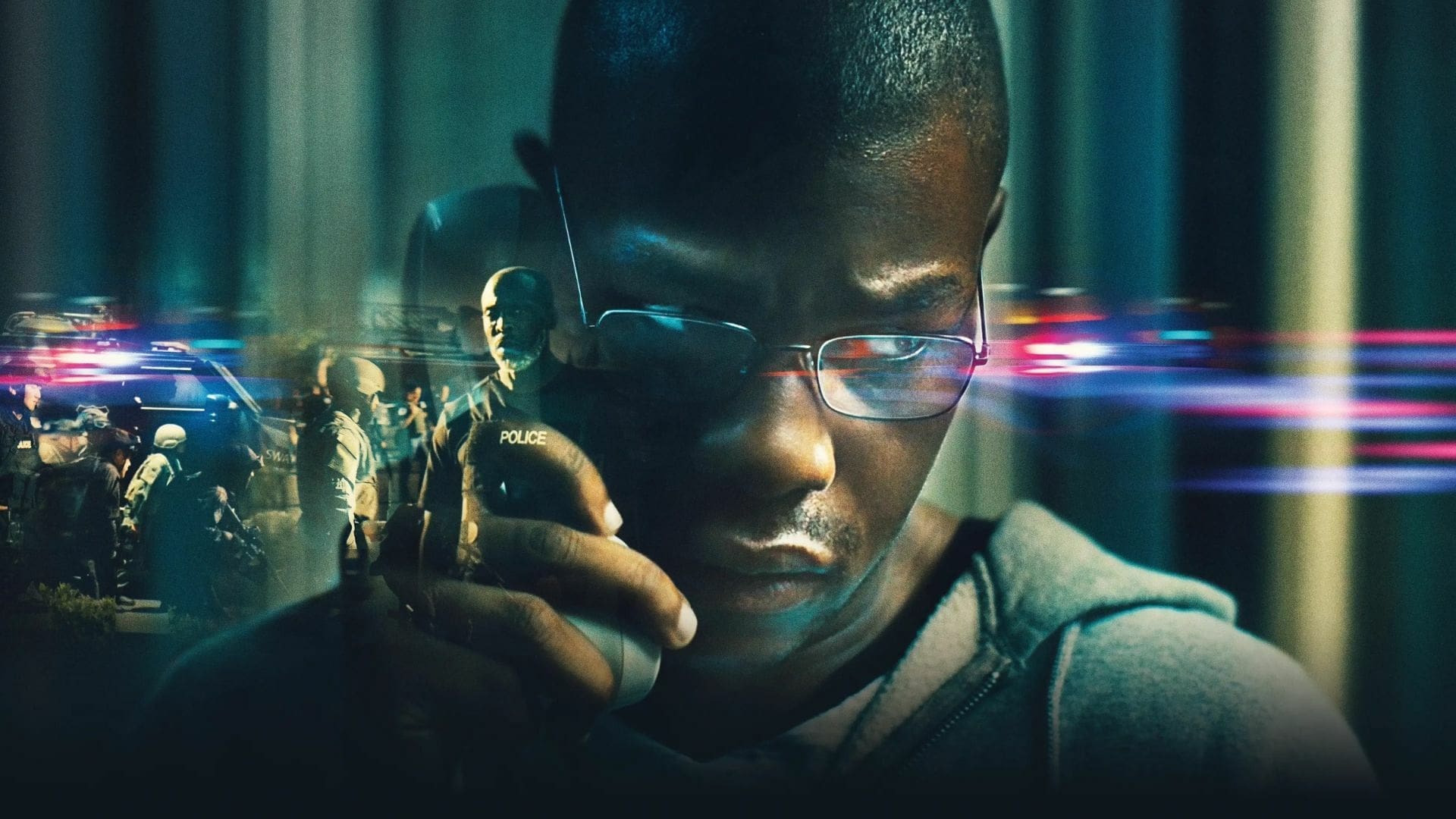
Breaking – 892


Hosted by
KT & Oti
Show Notes
Answer the call of systemic pain, sustained paper pushing and tragedy. Open the dialogue with Breaking this week.
Referenced


Episode Details
- Duration
- 0:00
- Released
- March 22, 2023
- Category
- Episode
- Hosts


Transcript
Transcript (5,795 words)
Full transcript of Breaking – 892.
KT: It's another week in the For Your Reference household. And, you know, we are Friends and Lovers of TV and film. Um, and unfortunately a lot of wonderful, beautiful talent, um, are leaving us specifically black talent. So even though it's not a, uh, necessarily core role, we have loved Michael K. Williams for many, many years, right. Oti.
Oti: Mm-hmm.
KT: We do have a Wire episode. We also have When They See Us as well. Um, so we just want to do this episode, contribute to the life and legacy of Michael K. Williams.
Oti: Rest in peace and power,
KT: Rest and love and peace and power. Also a content warning. Um, this is based on the real life of Brian Brown-Easley. Um, so we will be talking about the events that unfold specifically through the film, so, um, love and watch with care, Friends and Lovers. Let's get on the show. Hey, Friends and Lovers. Welcome back to the For Your Reference Podcast. You got your host KT.
Oti: And Oti,
KT: Answer the call of systemic pain, sustained paper pushing and tragedy. Open the dialogue with Breaking this week.
Oti: Woof.
KT: Ooh. From Till to Breaking.
Oti: Yeah.
KT: Yeah, Um, welcome, welcome Friends and Lovers for those that might be new to the For Your Reference household. We love in Lord and Hold You ever so gently and warmly. Um, it just so happened that these two heavy films, um, uh, are being covered back to back, however, You know, if you go and check out our Till episode, we did spend some time with Oti in particular talking about, you know, um, not just black cinema, but also covering black pain and trauma. And even if it's done in a way that's with a lot of care, which I would say this film did, um, it's still has its lasting sort of effects, even if it's in a good. Um, so I, I'll definitely encourage you guys to go and check out the Till episode. Um, but also it, it is going to get a little bit heavy today, um, as well.
KT: So again, listen with care, Friends and Lovers, if you've also watched the film. Um, this is also the time to say spoiler, spoiler, spoiler. Let me get into general stats and information. Um, thank you to Carly and the team at Nixco, as well as Universal Pictures Content Group for sending us a screener. Specifically in Australia, Breaking will be available to rent and own from the 27th of.
Oti: Yeah.
KT: And we're dropping our full review today. So in regards to general stats information, we have, uh, director Abi Damaris Corbin, who also wrote, as well as co-writing. We have Kwame Kwei-Armah in way of cast O t O t O t E, especially in a lead capacity. We talked about John Boyega in The Woman King, um, but in a lead role. Welcome, welcome, Mr. Boyega. If you're. Um, also maybe even a first, obviously many times in our heart and splooshed all over the podcast, but may well be the first Nicole Beharie.
Oti: Yeah. Wild. It's a shame isn't it?
KT: It is a shame, especially cause you're 10 toes down black about it all. Uh-huh. We also have the beautiful, lovely Selenis Leyva, Michael K. Williams, and also Connie Britton. I don't know if I wanna get a call from Connie Britton from 9-1-1 to Breaking. It's usually not great news.
Oti: No, it's not.
KT: not.
Oti: I hear breaking.
KT: out here. Breaking hearts. Oh, okay. Well, let, let's get into first impressions. Um, I, I think even if you want to, I wasn't necessarily aware of the news breaking about Brian, um, Brown-Easley. Um, but how did you feel about leading up to the film? Watching the film? Um, and also we've watched it twice just so we can make sure that we are fresh in this conversation.
Oti: This is one of the stories that sort of escaped me and I really didn't know anything about it until we watched a few of Boyega Boyega interviews prior leading up to the release of the.
KT: up. Yeah.
Oti: And we were just, you know, talking about Brown, Brown-Easley and what he went through. And there's this larger conversation to be had about the VA. Um, and I'm
KT: and the click they
Oti: Yeah. and I'm sure we'll get into that. But yeah, it was completely heartbreaking. I think when I first came across it, I had to read about it because I felt like it was something out of a bloody movie. It felt really ridiculous that that was allowed to happen. Yeah. And then watching the movie and sitting. Was it, not only was it uncomfortable, it was really, really sad I felt for everyone in that banking hall. Absolutely. It's a situation that should never bloody arise. absolutely. Very avoidable. And those are the worst ones,
KT: Well, this film was also based on that article of they didn't have to shoot him. I believe it was titled
Oti: They didn't, I think it was a rogue sniper that just went, you know, off the cuff. Yeah. Uh, I'm pretty sure nothing happened to him. I think it was like, the grand jury was like, yeah, nah, it's, it was all good. The mere fact that nothing also transpired of it. No apology from the VA to the family, just nothing.
KT: took like 67 years for the anti-lynching bill in, you know, in Till, but at least it had that post film title of saying that perhaps something might have happened or might have changed as a result of those events. Right.
Oti: Mm-hmm.
KT: Um, my first impressions, I was deeply immersed in the emotion of the film. I found it very easy to latch on, um, to Brian's story, and the uncomfortability was so palpable in every moment. There was nowhere to hide. In the vulnerability and the never really talked about systemic, ongoing deliberate pressure that a black veteran feels in modern America. Mm-hmm. Because there's, there's a lot to talk about. And you know, even on a lighter note, we talk about Boyz n the Hood and we have Furious, we're very excited for John Wick. By the way, so we can see, we haven't looked at spoiler, so I didn't even know if Laurence Fishburne is in it. But hopefully we'll see some Furious.
KT: Cause I was telling you, I wasn't seeing Morpheus in the John Wick franchise. I was channeling Furious from Boyz n the Hood,
Oti: I, I, I've got a bit of, uh, of both.
KT: Yeah. But you know, even in the Boyz n the Hood, they talk about like, a black man has no business fighting a white man's war, you know?
Oti: Mm-hmm.
KT: And we've talked about instances, you know, of, you know how globally all countries are doing very shit in the way that they, you know, treat and discard veterans. Right.
Oti: Mm-hmm. And
KT: And if we're specifically talking about America, we're also specifically talking about black veterans. Mm-hmm. So this was a story that isn't it? It isn't anything that is rare, but it's also something that continues to happen. And to even have this film, to be able to have this discussion, I think is also very important.
Oti: A hundred percent. You know, it, it raises a lot of questions that need to be answered, and I think we've gotten to a point where you are like, why even put yourself in a situation where you are pretty much expendable once you leave the military? Yeah. Um, you, that's story integration. You are left off, you know, like his payment $892. Yeah, bro. They did. They just played him dirty.
KT: Man. There were so many heartbreaking moments because again, it felt real. You know, when we talk about, especially like black pain portrayed in cinema, it's very easy. You know, or you know, even we talk about Emancipation and stuff, it's very easy to paint with the harshest brush. Right. Or put it in a way that's going to like really shock you to your senses. But if anything, this film was very quiet, it was very reflective and it was very sombre. You know, it wasn't, you know, obviously he was expressing his emotion, but it was very much, this is what it is.
Oti: Yeah. Yeah. We get to see Brian's perspec from Brian's perspective, you know, how it went down, uh, what he felt. And the movie is aptly named Breaking because you do get to reach a point of no return. Yeah. And that's what we come to see. I think the first scene in the movie, it's him getting manhandled and, you know, pushed down by coppers and, you know, and handcuffed you treat your veterans like crap. You know? He, yes, of course. So he raised his voice so fucking.
KT: Yeah.
Oti: Some things don't justify the way we treat people out here. Yeah. You know, he, he got to a point where, you know, his daughter's birthday, I think he had promised a, a, a puppy. Yeah. You know, depending on that monthly paycheck stipend from the VA, they don't pay him. He can't, he feels like he has no other way. He just wants his, what is owed? Nothing more, nothing less.
KT: But then we, we have that scene with Estel. You know, I, I guess, I don't know, I guess we can talk about what we thought the motivations were from Estel's point of view, but she tries to like, relate to him and tries to like gain a rapport with him, talking about how her ex-husband, you know, went through a similar sort of thing and even her, her, her and her son drive and then they give food to the homeless and, you know, hearing their stories and how. You know how it's so easy to get to that point,
Oti: Mm-hmm. ,
KT: there was that very powerful sort of scene, and then you also have Brian saying like, do you think I'm a fool? Do you think I'm slow? Like, that has nothing. Or I, I took it as, that has nothing to do with anything. Like just, it's just the fact of the principle that they should have given me my
Oti: Mark. Yeah. It, it's very black and white when it comes to what should have happened. Yeah. And yes, Estel, you know, she handled the situation quite well. You know, she did manage to get a lot of the hostages even before, um, yeah. Brian noticed, but even then Brian allowed everyone to leave. Yeah. And only kept the two employee. But even like, you know, I understand everything that was happening, and like you said, it was very sombre and I think even the cinematography played into it, you know, the shots, uh, this were quite close, you know?
Oti: Yeah. It created that intimate sort of effect. I just, I really felt for those two employees, and I still understood what Brian was trying to do. Yeah. But I, I, I was, I was there crying, especially when Rosa Diaz was terrified. Yeah. She. She could not handle it. Understandable, understandable. So no one should be able to put, no one should be put in that situation.
KT: But even like, you know, watching it both times, I, I was never, I was never under the thought that Brian was going to hurt them, but I think that's also because I was so keyed in to his emotion. Because, you know, he also says, he also says, um, in the film that he had two jobs, but he became ill, so he had to take leave and he was receiving benefits, you know, but in the grand scheme of. You know, the American dream of like pulling up your bootstraps, it doesn't matter how you get onto benefits, you know what I mean?
KT: Mm-hmm. . And it's, it's that sort of like nonchalant of like, well, you got there, get yourself out of this sort of situation. And you know, like there's even moments, like there's dialogues in the film when, you know, he's talking to Eli, right? And he's, he's saying the amount, you know, $892. He's, you know, I think Eli says something to the, to the effect of like, you know, you are worth, you are worth more than that. And Brian just very, and I think that's also the heartbreaking thing cause he's so fucking aware of how it works and he's so fucking aware of what, what he might or might not be seen for. Cause all at the end of the day, all he wanted was a fucking. and then he, you know, he also remarked like, I'm worth nothing.
KT: I'm nothing. Which was reinforced by the fact that, you know, even really early in the film when, you know, 9-1-1 was called, maybe we need to study Angela Bassett's 9-1-1, because the way that the call was handled or mishandled, it felt, I don't know, it felt like just a normal call and I would imagine. in like, especially not just in a call center, but like in an emergency sort of center, there would be particular words that people, you know how, like, you know, you see those signs in the airport where they're like, jokes about bombs are never funny, don't joke about it.
KT: Or you'll be late or miss your flight. Mm-hmm. You would imagine if someone were to call 9-1-1 and were to use words like, I have a bomb, I'm holding up a bank, that, that would hold any sort of weight.
Oti: Yeah. It's those sort of moments where you drop everything else you're doing and you focus on it. Yeah. He felt like, you know, and I think that escalated things more and it fed into his, his anxiety. You know, he's not being listened to. Yeah. No one's paying attention. Yeah. The 9-1-1 operator is just taking him super casual. Yeah. The negotiator took ages to get there. The news coverage was like, yeah, not bloody hell. Like what did he have to do?
KT: Yeah, exactly. Um, but yeah, so it, it was moments like that and it was so heartbreaking because again, like Brian was very, he was very conscious of the situation and you know, even when he was talking to you, like, you know, he is like, you know, he's like, they don't care. Like it's, it's just, it's not, it doesn't go our way. Right. And even. Um, Estel and Rosa were talking, I think, I think Estel said something about someone had held up the bank before. Mm. And, and then he, and then Brian was asking, oh, what happened to them and what did she say? That he,
Oti: yeah, he was arrested I was like, Hey, what he must have been white.
KT: He must have been white. And I think, you know, whe whether, whether it's perceived heavy-handed or not, I don't necessarily agree it was, um, but I couldn't help but notice those that actually cared on the opposition. Was Eli a black man?
Oti: Mm-hmm.
KT: Because you, because you have Major Riddick. Um, and you could tell it felt very clinical. It felt very transactional. Right. Um, you know, even to the point where he came along and interrupted Eli in the middle of calling the wife. Like there's, there's, I don't know. I feel like there was more of a duty of care.
Oti: Yeah. I, I feel like duty of care doesn't even a apply to, to, to these situations when we see them. Mm-hmm. You know, it's like so far removed. All they have wanted to do really is use their toys. Storm in, shoot around, bang, bang. That's it. As much as I went into it knowing pretty much what was going to happen. Yeah. It really felt heavy in my heart. Like watching it unfold on how it did. Yeah. You know, um, it, it's not that he, he, he was being greedy trying to take anything that wasn't his, there was money in the bank.
Oti: Yeah. He like, I don't want. They were like, oh, let me just pay you this. You can take money that's already on the counter. No, I don't want that. That's not my money. Yeah. I want the money from the VA that I am owed. And that's just a crux, you know, of the matter. It's, it's a situation where I felt really heartbreaking. Um, and I just wanted, you know, you could get your Major Riddicks out there who really don't really care about the person inside. You know, we had Eli come in, I think he could've done a bit more. He felt. I don't know in as much as he resonated with Brian,
KT: But it was only cause no one else was doing anything. So by default he
Oti: he was, by default, he felt like he, he was doing, he was going above and beyond when I just felt like,
KT: cause there was also a comment from Riddick that he was late, so I don't know.
Oti: Yeah, he said he was late. That's why he, he, he let, he let them talk to the reporters.
KT: but my impression was that they didn't contact him early enough. But if that's what the case was, yeah. I think en ingrained systemic issues cannot be resolved by one black person embedded in that system. You know? Um, so it's, I don't know. And then like, even when we're watching the film even a second time, we're like, what did he need to do to get that full attention? Like, did they need to be white hostages or what?
Oti: I think so Oh, he shouldn't have let everyone get out. I don't know. It, it felt very low stake from how he was treated. Yeah. Uh, even in his moment, he, he went in there knowing that the probability of him walking out of there alive or very, very low. And he was happy with that. He was okay with that. Yeah. But then to, Progressed the way he did. I don't think even he anticipated such a response. Cause this is his breaking point. He is going in there doing something radical and expecting a reaction of homelessness. Yeah, expecting a reaction. Everyone's just so nonchalant about everything.
Oti: Like if
KT: if it happens. Yeah.
Oti: Yeah. You know. We'll, we'll, we'll get to you where your mind Yeah. We'll get a negotiator. Uh, yeah. You're up in your bank. Oh. We'll be there in about 20 minutes or an hour. I'm like, bro, what did you need to do?
KT: I don't necessarily have themes for this review, I just kind of wanted to talk about the parties that were involved. Um, in this film, obviously we're going to talk about the VA and like I said, in the click they claim if you know the reference, you know, Friends and Lovers. Um, and it's fucking heartbreaking, like so instances of Brian multiple times calling the veterans. Line going through Lincoln Tech and then also visiting the regional benefits office in Atlanta, right? Mm-hmm. And it becomes a fucking matrix at that point because again, like he's doing everything right, which I, I abhor at that particular phrase, because again, when it's a systemic thing, it doesn't matter if you're doing everything right, but you know, he was holding down a job until he got ill, which is natural.
KT: There are times in life where we just can't work. And then he went on benefits.
Oti: Yeah. And
KT: And then it came to a point where the benefits weren't paid for that month. And then he went through that arduous and let's highlight humiliating process of asking for correcting something that was potentially a human error. And there was also a line in the film of, I'm going to die because of this human error. Yeah. You know, so going to that regional office and yeah, I, I think it was, it was explained to him, something to the effect of his funds were redirected for a deficit.
Oti: Yeah. A deficit having to do with, uh, college debt.
KT: that wasn't even
Oti: mm-hmm.
KT: which was later revealed in the film. I guess if you, if you didn't want to take Brian's word, it was explained later in the film as well. But it's such, it's such a heartbreaking, you know, if, if I'm going to be my Katie Kyle broski on my little soapbox, you know, you see all of these corporations being treated like citizen. Like the best type of citizens that get full privilege of rights, right? And you also have like industrial companies that are continuing to dump waste or like, you know, have their carbon emissions and be able to pay it off as if that's going to help with global temperatures. But whatever. But you have on the other scale of those that are continuing to benefit from this sort of capitalized commercial American dream sort of system that will continue to frolic in the sun of their, their money baths.
KT: Right? And then you see all the way over here, people just fucking trying to, just trying to live, man.
Oti: Yeah. It's hard to reconcile with all that because at the end of the day, corporations suck and they'll always do what's best for them.
KT: The other party I want to talk about, uh, is 9-1-1. You know, we've kind of already talked about it. The only thing I would say in regards to that in this country, in Australia. Um, even if it's an accident, if someone calls triple zero as the equivalent here, if someone calls triple zero, even if they're not saying there's a fire or whatever, if they call it, they still need to come out, whether it's the fire, what, whatever the emergency sort of, you know, but it still needs to be investigated when a call is, you know, made.
KT: So I still don't understand how a call was made directly from the bank. I don't know if they have a particular red carpet sort of line. But even then, even at that point, it wasn't being treated with the level of intensity and seriousness it should have.
Oti: showed no. As soon as I think that we saw the police come, they didn't even cordon off the area because we saw an employee bang on the door. Yeah. You know, and it created just even more tension within the room. Cause they thought,
KT: But who's that eager to get to work? unless he is like trying to scrub his like web history I don't understand why you would be so eager to like bang down the door.
Oti: Yeah, man. People love their workout here. Oh,
KT: Yeah. They love their incognito browsers.
Oti: Mm-hmm. , like it's just everything that went down just felt very amateur-ish. Yeah. To the point. Amateur,
KT: or they just didn't care enough because those are two different things.
Oti: True. Probably a bit of both.
KT: Yeah. Well, I guess even talking about a bit of both, I wanna talk a little bit about the police response or lack of, um, so, so do you feel like Eli was there? All the way?
Oti: he was there, but I still felt he, he left a few scrubs on the table. Uh-huh. He knew exactly what, how this situation would transpire. He, he's been around it. He's a negotiator. He should have known how a, the verdicts of this all treated. Yeah, to some extent. They showed him trauma control a little bit, but then he was so far removed from everything else from the situation room. He was always outside in a car with some other. Operating in a siloed solar environment. I'm like, bro, if Riddick does something, you're not even there to, you know,
KT: no, I didn't. I didn't see it that way. I saw it as he needed to gain the trust of Brian. So he needed to remove himself from that situation so he could focus on it.
Oti: I guess so I just felt he, there was a lot of room left for error and him knowing the situation he even talked to, you know, he talked to Brian. Even Brian was telling him, you know, I know how this gonna end. I'm gonna, you know, gonna get Sure. It's, and was like, no, no, no. We're all walking out of here. I'm like, you know how this plays out. To some degree it should have been just, I don't know, but even how it transpired couldn't have changed the end result because it's a rogue sniper that, you know, made the shot anyway.
KT: but I think it's, I think it's also in the film, Brian's like, yeah, you can't promise that Eli's like, Hey, don't underestimate me, man. But I think that's what it was, honestly. Um, you know, whether he did as much as he could, I guess we could discuss, but he can't make promises on behalf of the VA, right? Mm-hmm. and spoiler alert, all the way to the end of the film. Even to this day, Brian's family hasn't been paid, so it's not a money thing, is it?
Oti: It's not. So never admit fault is the stance.
KT: never yield. Yeah. Especially to the POIs. Mm-hmm. Um, but that's what I'm saying. Like Eli couldn't have promised that it was out of his sort of realm of authority. So there was nothing really he could do, you know, and in that sense, there was nothing that he could do for Brian.
Oti: Yeah. But you can't really say, I can't do anything for you, man.
KT: But coddling a nice association.
Oti: It's, it's, it's a matter of trying to, you know, just make the situation a bit more tolerable to, for Brian to feel that, Hey,
KT: no, but if you see the situation for what it is, there's no negotiating, is there
Oti: Maybe his job is to create that veneer of possibility.
KT: No, but I'm trying to break the loose pill, pocket matrix with you, Oti. If you see the situation for what it is, it's like, you know when you are like getting sick of doing three people's jobs in one job and you go to your management and say, Hey, I've had enough. And your boss is like, don't worry baby. Would you like an extra bonus on the side?
Oti: Yeah, tick the bonus. but that's my point,
KT: and even in, even in that example, Eli wouldn't have been able to slide you towards juicy old bonus.
Oti: I know, but if I believe I can get that bonus, even though when I think critically it's improbable, then, you know, it's his job for me, for him to create that sense of, oh, he's doing everything he can. He knows people, he can escalate this. He, he, he has, he has AG on speed dial. I don't know. That's
KT: that's more, that's more about that. Like that's more about tapping into, I guess coddling, the ability of Eli. Because at the end of the day, Brian was very clear on his actions and the inactions of the VA, how nice Eli is. Doesn't change that fact, does it. And Friends and Lovers. That's why flowers don't work on me. Right. If you're done fucked up, you're done. Fucked up. Mm-hmm. Um, the, the last sort of party I want to talk about is the press. You know, eventually we're going to get to Spotlight and we'll be able to talk about the Boston Globe. Um, in the meantime, I, I, I guess it's interesting to see the way that, not necessarily justice, but the way that information can be shared, um, or how action can be taken by alerting the. Maybe after alerting the authorities or choosing to go there first,
Oti: I think he decided to go to the press that quickly because he wasn't being taken seriously. Yeah. So he thought, let me pivot and go to the press so people can pay attention to what's going on. Yeah. And people can know his grievance and how VA is treating its people. Yeah. So I could understand that and I just felt that. Lisa could have played a bigger role in fighting harder to push that story because a, she had to report to a boss. So a boss was like, you know what, we can't run this story because we've been told A, B, C. There's, you know, rules and procedures. Well, you are smiling, cheekly. Come on, come on. Say
KT: Interesting. Well, you know, there are two characters here. You know, when it comes to Lisa, you know, with Lisa's character, you are like, oh, she could have done more. And when it comes to Eli, you are like, he did the best man I dunno, it's a bit curious,
Oti: I said,
KT: mine wonder.
Oti: I'm pretty sure I said Eli could have done more as well.
KT: No, but even most recently when I was telling you he couldn't do anything because it was in the VA's hands. You are like, but you need to keep, you know, you kept going. Be honest with yourself.
Oti: I know. I hear you. I, I, I don't think I was biased in any way.
KT: there's, there's a racial and gender intersection going on here. Oti. Wow. It's ok. It's okay to identify your blind spots. It's not a problem
Oti: You're identified for me. I'm I'm not sure that spec is, is as big as you think it is. Eh? ever went to Sunday school?
KT: They speak Sunday School in what? I will make sure to direct my poor Beany lashes in your direction tonight. Oti?
Oti: Mm-hmm.
KT: Because I also feel like yes, there's a responsibility, but there's also an opportunity in the power of the press to demand for the authorities, whether it's police, whether it's 9-1-1, or whether specifically it's the Veterans Affairs to do better. Yeah. Where are the John Olivers of the world? .
Oti: True. I don't know, man. Like it's, it just feels like a losing battle, which is sad.
KT: Well, now you're proving my point. Now I feel like I need to negotiate you out of the sunken place.
Oti: Now you understand Eli's position.
KT: Yeah. Well, I, I guess, and that's the fucking frustrating thing about this film is because yes, it is heavy, but it's also understandable where each, you know, person is coming from.
Oti: Mm mm
KT: You know, like the situation is what it is, and if anything, hopefully can spark up a dialog.
Oti: dialogue, hopefully.
KT: I, I guess just reflecting, um, just to finish off our review, um, just reflecting on even our discussion that we had in Till, this is obviously a very hard film to watch. Do you feel that there was a difference in the care that was taken? Because again, a lot of it is focusing on Brian. A black veteran, but it also has Estel and Rosa as well as Eli. So you are having black and brown, you know, people that are stuck in this systemic sort of web. Right. Do you feel like this film did it in a way that not necessarily can teach your audiences, but can, can bring about a dialogue?
Oti: A hundred percent. I think those care taken and I think they discuss it. It wasn't painting, um, Brian as, Ooh, look, everything he did was justified in holding a bomb. You know what? Everything that happened and transpired, I think it took care with its characters. We had Estel and Rosa, they showed how much. Especially Rosa, she went through, and that's not right for anyone. It's not like, ooh, everything Brian did was a hundred percent, you know, holding people hostages and ride. Yeah. At the end of the day, Rosa didn't know the brand of a bomb. Neither did she know that she's not gonna get hurt. Um, Estel to a point, she was writing a letter to her kid in case she doesn't make it.
Oti: So all these things are going through their minds and it's terrifying for anyone to feel that this is their last moment or. And they're going to die. So I think care was taken on both ends of the scale. Yeah. Because at the end, at the end of the movie, you do get a sense of the injustice that has transpired in dealing with a Brian, uh, from a police and a response point of view where he wasn't listened to, um, uh, and. From the VA's sort of perspective where they just made a clerical error, they didn't accept it, they still haven't accepted it. I think they actually even say doubling down on that shit. So they will never admit fault. And I think that's the discussion point, because at the end of it, at the end of the movie, you sat and you're faced with issues that are facing veterans.
Oti: Which has to be dealt with because there's too many Brians out there. Yeah. And we see a lot of these stories chan in and out and no one does anything.
KT: I know, and I absolutely agree. You know, you talked about not holding people hostage unless it's capitalism. Ooh. Ooh. Thank you Friends and Lovers for joining us another week in the For Your Reference household. Um, especially if you haven't watched the film, because we know sometimes you guys like to, uh, Um, you know, stay along with us week to week, um, even if you haven't watched it. So thank you so much for everyone for checking in. We're gonna finish our finish segment we call For Your Reference, Oti.
Oti: I'm gonna reference Till, we covered it last week and I think it'll be, you know, a good, um, accompaniment to do this.
KT: Yes, we have an emotional support dog, so hopefully Friends and Lovers, you have an equivalent. Um, I will reference When They See.
Oti: Nice.
KT: It's important to reflect black pain, but it also needs to be done with care. Um, and that miniseries, obviously in the loving hands of Ava DuVernay absolutely does that. Um, if you would like to experience the loving hands of Oti on Twitter and Instagram, we're affi Reon,
Oti: Or write us an email, a hello podcast.com.
KT: we're also on all of the podcasts and tomatoes if you like to leave a rating, a review, and we'll see you guys next week.
Oti: See you. Bye.
KT: you. Bye.
Related on FYR
Discussion
Loading comments...