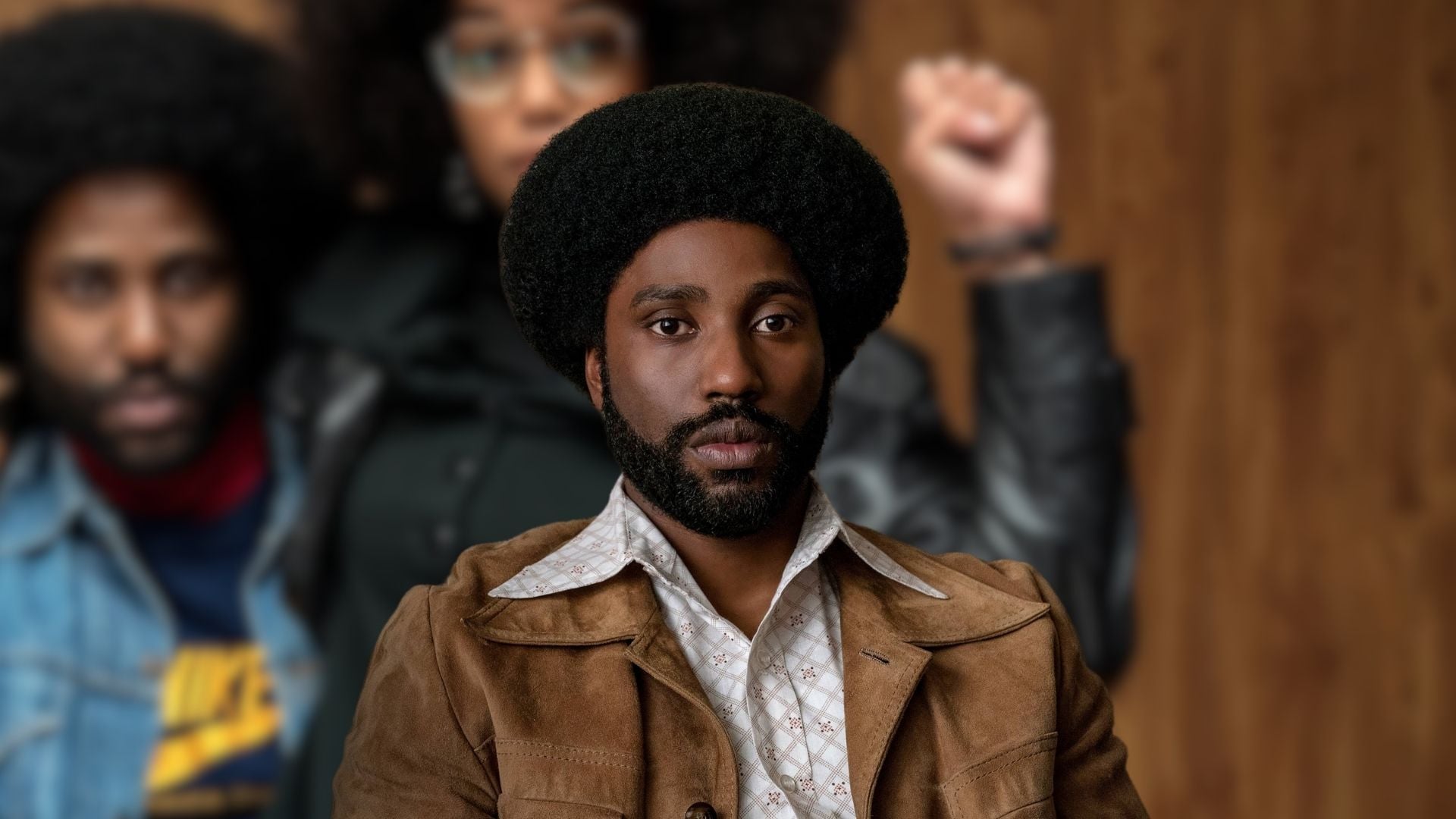
BlacKkKlansman – Tarzan ain’t got nothin’ on me


Hosted by
KT & Oti
Show Notes
Welcome to our Reference Degustation where we take you through a month long double dolly celebration of Spike Lee Joints.
Infiltrate the hotline and navigate the streets of love and hate to make change from the inside? Read between the Tarzan lines with the BlacKkKlansman this week. Are-uh you down?
If you’d like to watch along, we will be covering the below…
Do The Right Thing (1989)
Malcolm X (1992)
Bamboozled (2000)
BlacKkKlansman (2018)
Thanks to patrons and guests for contributing to common and recurring themes we will be incorporating as we review. Check out Brent/Home Video Hustle’s review episode of BlacKkKlansman and Dan Mecca’s piece on Spike Lee.
Check out more tasty Reference Degustations…
We also posted coverage for exclusive early access to Sinners Trailer 2 and had our submitted question answered by Ryan Coogler.
—
Summary
Welcome back to the For Your Reference household, where we indulge in the exquisite world of filmmaking through our monthly dégustations. This time, we conclude our journey with the iconic works of Spike Lee, culminating in an exploration of the impactful film, “Blackkklansman.” We hope you’ve savored each moment as we navigated this cinematic feast. Are you ready for one last course?
Introduction to Spike Lee’s Dégustation
It’s been a thrilling ride exploring Spike Lee’s filmography—a director known for his potent storytelling and cultural commentary. We’ve maneuvered through the vibrant streets of “Do The Right Thing,” walked alongside the historical figure of “Malcolm X,” and tasted the satirical brilliance of “Bamboozled.” Now, as we dissect “Blackkklansman,” we reflect on Spike Lee’s voice, which remains as unapologetically sharp and powerful as ever.
Spike Lee’s Impact and Legacy
To celebrate Spike Lee’s achievements, we revisit some monumental moments in his career. From his artistic beginnings to becoming a cultural icon, Spike Lee has always stood out for his unique narrative style. Through films that are infused with a mix of real-world documentary footage and fictional storytelling, Lee crafts a tapestry of American culture. His works remind us that film is not just art—it is a reflection of society and its ongoing struggles.
Diving into “Blackkklansman”
“Blackkklansman” serves as a critical entry in Lee’s oeuvre, blending historical context with contemporary relevance. The film tells the true story of Ron Stallworth, the first African American detective in the Colorado Springs Police Department, as he infiltrates the Ku Klux Klan. With stellar performances from John David Washington and Adam Driver, the film maintains a compelling narrative while presenting a biting commentary on racial dynamics.
Themes and Stylistic Choices
Lee’s signature style is evident throughout “Blackkklansman,” from his use of the double dolly shot to the integration of jazz and hip hop in the soundtrack. The film’s opening sequence, featuring clips from “Gone with the Wind” and “Birth of a Nation,” sets the stage, immediately anchoring the story in a larger historical context. This use of archival footage helps ground the film in reality, reminding viewers of the persistent nature of racism and the enduring fight against it.
Reflections and Critiques
While “Blackkklansman” received critical acclaim, including Oscar nominations, it also sparked discussions about its portrayal of police and structural racism. Critics like Boots Riley argued that the film’s focus on a black detective combating racism within the police force suggests a more comfortable narrative for mainstream audiences. These critiques are valuable, sparking a discussion on the complexities of representation in film.
John David Washington’s Performance
“A conversation about ‘Blackkklansman’ would be incomplete without recognizing John David Washington’s role. His portrayal of Ron Stallworth not only demonstrates his acting prowess but also adds depth to the film. John David’s captivating performance leaves audiences eager for more, solidifying his place as a rising star in Hollywood.
Conclusion and Continuing the Conversation
As we close this chapter on Spike Lee’s journey, we are reminded of the importance of storytelling in highlighting cultural and social issues. Whether through the lens of satire, biopic, or drama, Spike Lee continues to challenge audiences to reflect on the world around them. We are grateful for the opportunity to dive into this cinematic dégustation and hope you continue to explore the rich tapestry of Spike Lee’s work.
Join us in celebrating these films and engaging in meaningful conversations about art, society, and change. Let’s keep the dialogue going as we await the next visionary storyteller to lead us through another captivating cinematic journey.
Connect with Us
Follow us on Twitter or Instagram @forYourRefPod to join the conversation. We love supporting independent media and appreciate your engagement. Leave a rating or review, and let us know what resonated with you from Spike Lee’s works or any other films you cherish. Until next time, keep watching and reflecting!
Tomato Meter
 KT
KT"Spike Lee will remain a leader in cinematic cultural commentary but that very potency was less present in BlacKkKlansman. While the messaging is still assured and deliberate, perhaps this film is set to the temperature of those in need of it.Posted Feb 26, 2025"
 Oti
Oti"No one does it like Spike. BlacKkKlansman is sharp, powerful, and unapologetic. The sudden kumbayah felt too neat, but John David Washington is flawless. The messaging is exactly what we’ve come to expect from Spike—Black is beautiful, Black is powerful.Posted Feb 26, 2025"
Episode Details
- Duration
- 0:00
- Released
- February 25, 2025
- Category
- Episode
- Hosts
Transcript
Transcript (8,035 words)
Full transcript of BlacKkKlansman – Tarzan ain’t got nothin’ on me.
KT: It's another week in the For Your Reference Household and it is a delicious, delightful end to a sumptuous 2025 Spike Lee Joint Reference Degustation. Are you well satiated and spiced my love?
Oti: I am.
KT: How has this run been for you?
Oti: Enjoyable to the wazoo,
KT: right? Because we did Miyazaki, so I don't know if we can even compare the chefs that are chefing right now, but welcome friends and lovers. You are very much late to the dinner reservation. We are very much at the end where, because we winked at the waiter a couple of times to follow us after the reservation, we got a little bit of port.
KT: to have with our dessert friends and lovers because we are napkin degustation friends and lovers. The first course was the course that everyone was talking about and they wanted to get a little little taste for themselves. We had Do the Right Thing. Shout out to Turturro. We're going to see his younger brother in this course that we're doing now. We did Malcolm X, Denzel Washington. Speaking of noted, tasted, beautiful flavors, we have a Washington. In this course that we're coming up to, um, shout out to the Damon Wayans, uh, as well as the Wayans family, Keenen, the whole legacy of the family being recently, um, all of their flowers at the NAACP Image Awards with Bamboozled.
KT: Also Jada as well was in Bamboozled and we are now coming to. The, I guess the, the John David Cherry on top Oti.
Oti: Yeah. Fading to black.
KT: Okay Kwame Oti. Friends and lovers. Thank you so much for joining us. If you joined us while we were doing the Spike Lee run, Please feel free to check out the rest of the podcast, whether it's our Degustations, our other reviews, as well as our interviews. Happy Black History Month forever and always. Love Spike Lee. We also did a pop up Spike Lee many years ago as a Chadwick Boseman tribute. So go and check out Da 5 Bloods. Delroy Lindo is also there as well. But, whoo! Are you ready to maybe start a revolution with some documentary footage?
KT: Let's get on with the show. Hey friends and non Tarzan propaganda lovers. Welcome back to the Oti's been saying fuck Tarzan and Elvis. Those are the two things that you can bank on friends and lovers. Welcome back to the For Your Reference podcast. You got your host KT
Oti: and Oti.
KT: Big black Africa, Oti. Oh, Señor Love Daddy.
Oti: It's carrying on, eh?
KT: Yeah, I think so. Or Banes. Welcome friends and lovers to our Reference Degustation, where we take you through a month long double dolly celebration of Spike Lee joints. Infiltrate the hotline and navigate the streets of love and hate to make changes from the inside. Read between, yeah, the silence. Eat that, friends and lovers. Read between the Tarzan lines with the BlacKkKlansman this week. Are you down?
Oti: I am down. I dig it.
KT: Welcome, welcome friends and lovers. We will get into a whole spoiler-rific, um, Episode friends and lovers, but for now we're going to get into our, um, pull quotes before we even get to the pull quotes. We are going to go through general information in regards to the film written, directed, produced by Spike Lee. It's important to know that because I think Jordan Peele was the only other black filmmaker that had that written. Produce Oscar nominations. Oh, we're getting to it. We're getting to it. Um, and it's so interesting because there's definitely a lot. I wish we had gotten to Jungle Fever. I wish we had gotten to, He Got Game.
KT: I wish we had gotten to he, She Hate Me. Shout out to Anthony Mackie. Um, I, I wish we had gotten to Chi-Raq as well, but I think we did choose, um, very interesting just in the landscape of a set of reviews because Do the Right Thing absolutely deserved all of the plaudits. Um, I think original screenplay is what it was nominated for. Um, at the Oscars, and then we have adapted screenplay, which Spike Lee did win for BlacKkKlansman, which is what we're covering today. Um, and you know, I guess while we're here, we talked about Black History Month. Spike Lee became the sixth black person nominated for the Academy Award of Best Director.
KT: That is after John Singleton, rest in peace. We do have a Boyz n the Hood episode, Lee Daniels, sir, Steve McQueen, Barry Jenkins. Wow. I'm getting a very Black History Month response. Um, 12 Years a Slave shout out to Lupita, um, Barry Jenkins, Jordan Peele, which was the award season right before this one, um, of the six, none have won. Including Spike Lee. Um, and everyone except for McQueen are American. So. Wouldn't be great to have some women there, black women as well. But anyway, Spike Lee became the first black person to be nominated for the Academy Awards for both original screenplay and adapted screenplay because this is a book by the Ron Stallworth.
KT: Written as well. We have credits, Charlie Wachtel, David Rabinowitz, Kevin Willmott. Do you notice the ones I struggled to say Oti?
Oti: Yeah.
KT: But shout outs there in regards to producers, Jordan Peele had introduced the story slash book to Spike Lee, which John David also talks about their interviews with John David as well as Ron Stallworth as well, Raymond Mansfield, Shaun Redick. Um, Sean McKittrick, Jason Blum, as in Blumhouse Blum, Oti. Usually Blumhouse have a rule of five million dollars only. For the feature. And if there are any sort of sequels, 50 million, but he loves Spike Lee. So he's like, fine, you can do it. But in saying that 15 million budget, which we know friends and lovers is not a lot to make a feature film.
KT: Hopefully that helps with the creative control, but we will definitely come to that friends and lovers before we get into the fanfare, um, Let's get into the award season because again, this is a nice sort of, uh, wrap up to Spike Lee's run again. I'm not sure about I spice, but I am here for Denzel Washington in Highest 2 Lowest. Um, and there's a Japanese film. That we can also watch in the meantime as well. Or it's also based on a book if we also have the time to read. I want to play two of the awards speeches. The first one is from BAFTA because Spike Lee gives a nod and a shout out to a lot of the people that worked on BlacKkKlansman.
KT: And then the Oscar speech.
Clip: And the BAFTA goes to BlacKkKlansman I got these on my crackberry I gotta thank the writers right here Kevin Willmott, Charlie Wachtel, David Rabinowitz, Peter Kujawski, Donna Langley, Ron Meyer, Brian Roberts Jordan Peele, my man who called me up Gave me this six word pitch Black Man Infiltrates Ku Klux Klan, Jason Blum, Sean McKittrick, Ray Mansfield, Shaun Redick, and the great Terence Blanchard, my composer of many years, Barry Brown, John David, Adam Driver. What's up, baby? Topher, Laura, I want to thank, also, I got to thank Ron Stallworth because He infiltrated the Ku Klux Klan. Brooklyn's in the house!
Clip: The Oscar goes to Old House! Charlie Wachtel, David Rabinowitz, and Kevin Willmott. And behind me This is
Clip: the first Oscar nomination for Charlie Wachtel. David Rabinowitz and Kevin Willmott, it's the first win and fifth nomination for Spike Lee. Alright. Do not turn that motherfuckin clock off. I want to thank Tonya, Jack, and Satchel. The word today is irony. The date, the 24th. The month, February. Which also happens to be the shortest month of the year. Which also happens to be Black History Month. The year 2019. The year 1619. History. Her story, 16, 19, 2019, 400 years, 400 years, our ancestors were stolen from Mother Africa and brought to Jamestown, Virginia, enslaved. Our ancestors worked in the land from can't see in the morning to can't see at night. My grandmother, Zimmie Shelton Retha, who lived to be 100 years young, who was a Spelman College graduate even though her mother was a slave. My grandma who saved 50 years of Social Security checks. With her first grandchild, she called me Spiky Poo.
Clip: She put me through Morehouse College and NYU grad film. NYU! Before the world tonight, I give praise to our ancestors who helped build this country and what is today, along with the genocide of its native people. We all connect with our ancestors. We will have love, wisdom, and we will gain our humanity. It will be a powerful moment. The 2020 presidential election is around the corner. Let's all mobilize. Let's all be on the right side of history. Make the moral choice. Between love versus hate. Let's do the right thing.
KT: Wow. Well, again, happy Black History Month, friends and lovers. What a time, man. And it would have been nice, um, you know, Spike Lee isn't Takashi Miike, Spike Lee does have a lot of films and, you know, as much as we could, we did four as a minimum. Obviously we will continue to love on Spike Lee, but I think even ending with the BlacKkKlansman, um, and all of the awards and all of the accolades, like it doesn't mean anything, but it does. And it means something because Spike Lee, um, like I've said many times, he's an outlier to me, right? He does what he does and he has his voice and he just happens to be popular. He's not doing what he's doing to be popular.
Oti: And.
KT: Interestingly, and you know, you know, in director roundtables, he talks about, he goes where the money is like, sometimes it's independent. He says he has a Michael Jordan in the independent space. He has a Michael Jordan in the, um, more of the system studio space, but he goes where the money is. And it's refreshing. And it's also very sobering to see how synthetic storytelling can be. Yeah. If not at the helm of Spike Lee
Oti: 100 percent agreed,
KT: but I guess before we even get to our pull quotes, how do you feel, I guess, reflecting on the Spike Lee run that we've had on the For Your Reference podcast, and I guess coming to a point where finally, if it matters to anyone, we are getting this. Um, tangible sort of recognition.
Oti: No, it's good. I think we stumbled a little bit last year with, uh, the Scorsese run, but he
KT: was also, um, Spike Lee was under the tutelage and mentorship and he does cite Martin Scorsese as an inspiration for a lot of his cinematic work. So
Oti: fair. I, I'm not, I'm not shitting on
KT: restoration.
Oti: I'm not shitting on anyone. I'm just saying.
KT: Hey Spike, do you think the white people learn? I'm thinking the white people do.
Oti: I'm just saying, I'm glad to be back to where we can get the essence and the through lines across someone's body of work to better understand them. And I think this sort of shines through, like, with Miyazaki and all the different directors we've done. You can sort of grasp better. So I'm just happy. I've like the past four movies we've watched. It was like a super good time.
KT: Oh, absolutely.
Oti: And you can get, you can, you can clearly see what he's about as a person and, and what his work means. So, you know, that's just glad
KT: your brother Yasiin Bey said it best. Black is black.
Oti: Yeah.
KT: Yeah. Um, We haven't even ranked the films Oti, which is what we always do in the Degustation, but I think we were just so excited to speak about the films. Um, I guess we can do a quick ranking now before we do the pull quotes. Um, it's up on Rotten Tomatoes, Friends and Lovers, but we also do our end of year. So check out December where we will do our ratings across everything that we've reviewed, but we've given full marks to Do the Right Thing, Malcolm X. Um, I was very close to full marks with Bamboozled, which I'm very, I will never take back and I will love forever. Um, so I guess where, where does this fit?
KT: What is your ranking? Do you want to start from the bottom for us, or do you need some time to think about it? And we'll come back to it.
Oti: I don't need to think about it. You don't need to think
KT: about it. So what's at the bottom. And I guess we need to make it clear. Okay. It's on a banding at the end of the day. So even if something's at the bottom,
Oti: Uh, mine would be Bamboozled at the bottom.
KT: Oh, rough. Uh, BlacKkKlansman
Oti: for you,
KT: but it's a tight banding third.
Oti: Uh, BlacKkKlansman. Yeah.
KT: Fuck yeah. Uh, Bamboozled will be the third for me.
Oti: So would yours just be the ranking be the order in which we watch the movies?
KT: Damn dog. I didn't even think of that.
Oti: So is your first word? Um, Do the Right Thing.
KT: Why are you discombobulating me? Why are you rearranging my organs?
Oti: What's your second?
KT: Can we tie or is that cheating?
Oti: Tie. You've got a select one.
KT: Do the Right Thing would be second.
Oti: Same.
KT: And Malcolm X would be first. Yep. I never thought biopics could be that.
Oti: Mm hmm. Tapped into something there.
KT: Well, now let's get into Well, it was my bottom, it wasn't your bottom. But I want to make it very clear, it's a delicious bottom. It's a great, it's a great body. It's a body ody ody of works. Okay, get us into your pull quote, Oti.
Oti: No one in Hollywood does it like Spike. BlacKkKlansman is sharp, powerful, and unapologetic. The sudden office Kumbaya felt a bit too neat, but John David Washington is flawless. The messaging is exactly what we've come to expect from Spike. Black is beautiful. Black is fucking powerful.
KT: Wow. You got the black character limit for Rotten Tomatoes.
Oti: I got, I got an email saying they've expanded the limits for me this month. So I'm utilizing it.
KT: Well, I'll make sure to attach that when we try and submit your book. We have fun around here, don't we? All
Oti: right. Let's hear yours.
KT: Spike Lee will remain a leader in cinematic cultural commentary, but that very potency was less present in BlacKkKlansman. While the messaging is still assured and deliberate, perhaps this film is set to the temperature of those in need of it.
Oti: Yours is the same length as mine fam. I must have given you a brown tax as well.
KT: Well, you know, we're, we're all black and brown love around here, friends and lovers, but, um, no, you heckling my, um, I think it's interesting because usually when you have your pull quote, you know, Sometimes the critique is in the in depth conversation, but you did have it at the forefront of your pull quote.
Oti: I did.
KT: And I want to, I just want a little bit of thoughts and feelings around, I guess your pull quote, because you gave some dynamicisms, you gave, um, you know, some complex palette.
Oti: There's very few things in this movie that I did not like, or that I could not jive with. And
KT: do you speak the Queen's English and jive? Of course. Okay.
Oti: Um, and all the performances brilliant loved it
KT: without question, without
Oti: question. But the movie sets up a tune that, you know, we get to see John playing Ron. And it's like, Cool, you're getting some scuffles here and there, you're like, getting looks, you're getting, you know, what do they call them, toads? There's this toad.
KT: Yeah, it's like, you can't, like, there are new slurs you never knew about.
Oti: And you get the office vibe. We get to see him meet his new, you know, colleagues that he'll go undercover with. And they sort of start learning about each other, but when it all comes to a head, You're like, how did this work? Why all of a sudden, Mr. Popular, did we solve something? Hmm. Did we, did we cure the, is Barack Obama president?
KT: Yeah,
Oti: because I was pretty much the cure for racism.
KT: We,
Oti: so
KT: don't come for your Kenyan brother, Kenyan Hawaiian brother.
Oti: Because I can say that. No, but it's, it felt like the, the, you know, If I didn't know any better, it felt like
KT: a post racial. Isn't that what they usually say? Yeah.
Oti: Yeah,
KT: we did it. We did it. We solved it. I fucked my racist dad on the last day.
Oti: Too bad the world isn't ending and you're stuck with looking at your dad for the rest of your fucking life.
KT: That would be very confusing. That's Morty reference friends and lovers, but I guess it's just as nasty even if you do understand that I absolutely agree with you. And I was feeling this way before we even got to the end scene, friends and lovers, thank you to our guests and patrons. They did contribute to common and recurring themes, but where we got to get our shit off, um, for a second before we even got to that scene. Cause that was kind of annoying to me, the final scene, but I want to live where you are and I want to pick up what you're putting down.
KT: Because I don't think you could say at least the films that we covered from Do the Right Thing to Malcolm X, uh, Bamboozled in this case doesn't apply because it's a satire, but those two films, they are not resolute, right? They don't try and offer you a neat little bow. However, there is a feeling of it being resolute because we, I guess, make peace with what is. It is kind of live to fight another day, but at least on this day, we stood on business, you know, this film I, and that's what I kind of want to get your thoughts on, which is kind of the first theme before we get into the, um, contributed themes from our patrons and guests, I kind of wanted to understand what you thought from a creative control point of view, because it's hard for me to understand.
KT: Again, again, like my quote, the potency wasn't there. I wouldn't necessarily say it was diluted, but I think every moment of this journey from Do the Right Thing to Malcolm X. I'm like, how is this a studio film? Like, how are we able Malcolm X in particular? How are we able to get this from Warner Brothers? Right? How are we able to achieve we as if we did something as I like, as I like Oti and Spike Lee's favorite team Arsenal. Um, but how are we able to marvel in a film like Malcolm X that in some sort of ways got a sign off from studios? You understand what I'm saying? This is the same Spike Lee, right? And I don't even think it's about, it's definitely about being pro black, but it's not fuck everyone else because we have lots of different ethnic groups, even in Do the Right Thing, right?
KT: Even with the Korean shop owner. So it very much is a, um, you know, to, to borrow a phrase from, uh, Chairman Fred Hampton, like a rainbow coalition. It's everyone coming in. Together. I guess this film kind of really reinforces the white ship, which I guess maybe if we want, we can talk about that. Maybe that's how we're feeling about this resoluteness. Yeah, there was something about this of like, we need things to feel okay. Does that make sense?
Oti: I think this is the most studio film we've watched of Spike Lee in this run. The most studio feely film. And it's then you look at the writers, there's plenty of people who had their pen on it. So you could maybe we didn't get fully, you know, the Spike Lee we know because a lot of people's influences are on there.
KT: Yeah.
Oti: So, yeah, but we still get to see his, his mannerisms throughout. I think that's just what it is. And it's not, it's not surprising that the most studio-y movie he does is the one that wins an Oscar.
KT: But that's what I'm saying. Focus Features, which the umbrella is Universal. So you can talk about studio. And that's what I was telling you, my love, when we're on our way home to come and do this recording, like, Oh, you done fucked it up, man, you gotta Do the Right Thing, your Malcolm X. Um, was a Steve Carell that never won an Emmy for Michael Scott, you know, it's like they try to make up for not giving awards. BlacKkKlansman will always be a film I will love. And I will think about, um, often. So it's not to say that I don't think this film was deserving, but again, if we're talking about, if you have access to the whole cabinet of seasonings, I don't think that was there in BlacKkKlansman. Does that make sense?
Oti: The Jack Spice stayed in the cupboard. We, we, we definitely use salt and pepper, but you know, was it,
KT: was it Chet Hanks Trini to the bone? Shout outs to Atlanta.
Oti: No, but I'm with you. I understand what you're saying and it did feel a bit, um, diluted as you said, but the performances, you know,
KT: Yes, we know the performance, but we're here to discuss it.
Oti: Because you, two years ago, when did Malcolm & Marie come out?
KT: Yeah. During
Oti: the pandemic?
KT: Are you, are you going to protect the white man that wrote it? How should the white man? You see Zendaya, you see John David, but you need to know who's writing and directing that fucking film.
Oti: That recording, you were so harsh on John David that I thought, you know what, you I can take you out anyway.
KT: It's my turn to be in the locked room. Yes.
Oti: And we've come a full 360 today in where I think the first few lines you said on the pod was like, Oh, John David was so amazing.
KT: So why do you need to let them know my sploosh voice? I thought that was a, you and me in the bedroom thing. Well, yes, I, and you know what I will say is like, we really enjoy BlacKkKlansman, when it came out. Right. But I also feel like, and friends and lovers, I guess this is a lesson for all of us, be open to understanding that your understanding at that point in time will change and it'll shift and it'll grow. Um, I don't even mean this in a derogatory way, but I don't think I knew how to watch films the way I know how to watch them now.
Oti: Preach.
KT: Like
Oti: I've seen the growth here.
KT: You know what? I'm agreeing with you. You know, I'm the biggest cheerleader. It's like, you just watched the first part of Malcolm X when it was fucking around with these white women. You didn't even, you didn't even dye your, you didn't even dye your hair in prison. You didn't even get there. If you want to, if you want to do your man podcast, just say it Oti and we can, and we can, and we can say goodbye to the babies. Um, and be on our merry way. But if we want to have a mature conversation, Oti,
KT: yeah, I, I just think that you're a fucking idiot. I don't know, unless I, unless someone enrolls and pays for me to go to film school, I don't think I'll ever be at a level where I will have the eye to understand. Like visually, like how things are shot, but even from story notes, like I've noticed that I've been able to pick those things up. So, um, love John David Washington. If you've heard me say otherwise in previous podcast episodes, you know that a, that that pesky AI,
Oti: we were hacked
KT: But um, yeah, I stand by it. And, and that has nothing to do with John David Washington. Malcolm & Marie was a fucking shit. And I didn't realize people fight like that as couples and also stay together as couples after fighting like that. That's, that's some shit you guys need to work on yourselves, friends and lovers. That's not something that I, that I need to be a part of. Um, but. Yeah, like you said, it's, it's not that it's a bad film, but the choices, the creative choices, the narrative choices, um, we don't need to spend a lot of time on this, but it was mentioned Flip, Phillip, our beautiful, delicious Adam Driver. And if I've only said good things about Adam Driver, that's not AI, that's just KTI.
KT: Um, he wasn't even Jewish. In real life, because this is based on Ron Stallworth's book, which is based on his real life. So this flip character, he wasn't even Jewish in real life. Did that add anything to you in regards to solidarity?
Oti: They had to add an aspect of camaraderie where it's like, I feel you struggle, bro.
KT: But wasn't it enough just to focus on black people? It was.
Oti: It could have been enough. And I don't think I don't think Ron's character needed that.
KT: It was, you know, um, friends and lovers. We never got to, do we ever cover American Gods? I don't think we ever did. Did we?
Oti: No, I think we were waiting on a Nancy and, um,
KT: but fuck Neil Gaiman. I'm going to say that loudly and clearly you can replay that clip that put that everywhere. Fuck Neil Gaiman. Um, but about the show, they Laura Mooned. Um, Flip's character being Jewish, in my personal opinion. Because even when I was watching it, I was like, Okay, like, it's cool, like, I understand there's solidarity. And we had solidarity in Do the Right Thing, even in Malcolm X. as well, right? He was, he was at Hajj with his, uh, uh, blue eyed blonde Muslim brothers. Right. So we, it's definitely a pro black message, but you know, solidarity across, but I don't think it needed to be added. Um, you know, I think there's enough in Hollywood about like, or even just in general life of like saying yucky things about Jewish people.
KT: Like, I don't know, like personally, I'm like, ouch, this is hurtful. Like, why do we have to hear, I don't know, but I thought that was like, Oh, okay. But if this is based on a real life, fine. And then you find out it wasn't based on the real life. It was probably just. To bring audiences together, I guess. And I'm like, I feel like that was a bit, it didn't need to be done that way. You know what I mean?
Oti: He didn't need a white person struggle to understand the level of the risk veracity of, of, of the insults and the struggle and the pain for them to be able to empathize like, Oh, because I'm going through this, then I can definitely empathize, I can see where you're coming from. Like
KT: now I get it.
Oti: Rather than. This is shit. I'm here for you. Whatever you need. Let's just get through this
KT: because it feels like a
Oti: deflection.
KT: Like it's not enough to sit in that. Right. Um, but I want to move on to coppaganda and you can say whether it isn't, but this film kind of felt, you know, At least cop friendly. What are your thoughts on that? Because I, I do have something I want to read. Shout out to Boots Riley. Um, we're definitely going to cover They Cloned Tyrone, uh, one of these days, but did you, do you agree that this is copaganda or cop friendly at least?
Oti: I don't think I felt that.
KT: Oh
Oti: boo. I've watched my fair share of copaganda stuff. If you want a copaganda, what's Blue Bloods? Like, I don't know what, I didn't get any of that here. Interesting. Tell me, tell me how, how you saw it.
KT: Cause we also had Patrice as well, you know, when they were having the very cute Bridgerton walk and they were talking about blaxploitation or black exploitation films. And Ron was like, I'm going to change things from the inside. And it's like back then, but also today police are actively killing without any sort of reprimand without any sort of regulation. Because they kind of are judge, jury, and executioner, right? So, to have him, I guess, I wouldn't necessarily call him like, the hero, but to have him And I'm talking fictionally in the BlacKkKlansman film, but to have him be the one that's going to say also, apparently that, um, the, the bombing at the student union hall never happened.
KT: So that also feels like the cops are coming in to save the day. Maybe it is because the, I wouldn't say the portrayal of cops were unrealistic in the last two films, but this, maybe that's why in comparison, because let's make it very clear. Even though I'm saying BlacKkKlansman is in a banding, but it's at the bottom of the four films that we watched, Spike Lee in that league, filmmakers will never be able to touch that on their best day. Do you see what I'm saying, but I just don't understand the choices for it, especially if it isn't for a, I don't know if it was in your quote, but you said Kumbaya and it did feel very Kumbaya, right? It felt like I'm going to tell it, but I also, you know what it is. I felt like it was putting a distance.
KT: Whether we're talking about, uh, flips character. It's like a distance for white people to be able to, um, demonize, all the Klan is very bad without realizing that. Not necessarily that you're like eschewing the same sort of values, but you can very much see
Oti: He was being treated as second class citizen in his own precinct. So it's not that it was outside the realms of
KT: Well you said it for me, you said it for me, right? Like white people can distance themselves from the Klan and I guess non white police officers can distance themselves from the few bad ones, the rotten apples In the police system. Right. It just felt like there was a safe sort of buffer that was going on in this film, which again, maybe other filmmakers do, but I wasn't primed for that. So I want to get to Boots Riley. So this is in regard to BlacKkKlansman, obviously. Boots Riley, whose feature film debut, Sorry to Bother You, also premiered in the same year. He criticized BlacKkKlansman for its political perspective. While Riley called the craft of the film masterful and cited Lee as a major influence on his own work, he felt the film was dishonestly marketed as a true story and criticized its attempts to, in quotes, make a cop the protagonist in the fight against racial oppression.
KT: I'll get your thoughts on that in a second, Oti. When black Americans face structural racism, in quotes, from the police on a day to day basis, in particular, Riley alleged that the film glossed over Stallworth's time working for COINTELPRO to quote, sabotage a black radical organization and objected to the film's choices to portray Stallworth's partner as Jewish. Um, Boots Riley is Jewish, by the way, friends and lovers and to fictionalize a bombing in quote, to make the police seem like heroes. Lee responded in an interview with the Times stating that while his films in quote, have been very critical of the police, I'm never going to say that all police are corrupt and that all police hate people of color. Now I need to get, I didn't articulate it. Boots. Riley did. Um, Lee responded, what are your thoughts, Oti?
Oti: How am I gonna say this? Like, I get it. I, I get what Boots is saying. whilst the whole aspect, I didn't even get the bombing as being cops are heroes stuff because
KT: Because the cop was black. If it was a white cop, you would have noticed that straight away.
Oti: I guess, I guess. So like A lot of the things that you've mentioned that were like, Ooh, this was a bit too copy, copy feely. I was like, Oh, geez.
KT: That also happens in the police. Yes.
Oti: Yeah. I felt like it only felt weird for me towards the end. I'm like, you're now all bros all of a sudden you're not getting high fives or being invited to fucking dinners. That felt weird. Um, but I guess you have to respect both their perspective on it.
KT: Yeah, absolutely. Um, it's too far down the list. Brent mentions Denzel Washington. I think to fully respect John David, we should talk about him. Now we're going to go through the rest of the themes, but I think we need to give a spotlight to John David Washington. We can even get parallels to Malcolm X, like even not, not Denzel Washington in general, but even just the fact that we have a through line of Denzel and John David. Um, I think he is great. I think he's like, he brought so much to this role and it's gotten me excited to watch him. In roles, um, The Creator, I don't know, I think it was a bit too woo, woo, woo. And the fact that they, like, it was in Asia, but it wasn't about Vietnam. And it's like, come on, like when, when sci-fi is used and they're trying to, to Blend and meld racial groups.
KT: It always gets a bit funny to me. Shout out to David Oyelowo and Rashida Jones, um, with the Silo, but you know what I mean? Like there was a reason why white people created sci-fi so they could feel oppressed themselves. So I always get,
Oti: I don't know why in my head I thought of Idris Elba and Kate Winslet.
KT: That was a sci-fi of them actually ever falling in love. Oh, yeah. You know that before you even get to the mountains, you were going to be yelling the whole time. Why'd you, bro, I think the people on the live were having a better time. Um, but yeah, I just, I think people just need to know what to do with John David Washington, because when channeled. and allowed to be in all of his glory. You get a performance like this in BlacKkKlansman, right? Tenet, I'm pretty sure came out during the time that the world shut down. And I'm like, I can't do this Nolan fucking in my ears.
KT: Like I just, I need to keep him away from fucking my ears. So, um, I don't have any thoughts on Tenet until I rewatch it properly. Um, but Yeah, this is the role for me. When we think of John David Washington, this is the role for me. I'm looking forward to watching The Piano Lesson. We love Danielle Deadwyler as well. And shout outs to Malcolm Washington too, but John David really, you know, and he even talks about being, um, an athlete and how he always felt like an artist and how, um, his mum Pauletta, shout outs, uh, always said that you are an artist even if you aren't acting or if you don't have a paintbrush, like you're always an artist.
KT: And, you know, I could listen to John David Washington talk for hours about his process, how he feels, how he, um, ingests and performs art. I think he is, you know. As you mentioned, like I said, in our first podcast episode, Daniel Kaluuya is an up and coming actor, and so is, and so is John David Washington. And I love that we're living in a time where we get to see him. I would like to see him in more films that excite me, but I don't think that's anything to do with him. I think it's more about. The material and the lens.
Oti: No, a hundred percent agreed. He is pretty good. Um, you can tell he puts a lot of effort in his craft, which I've always loved,
KT: so let's get into our common and recurring themes. Andre, all his films being considered Spike Lee joints. Yes. Direction, stylistic choices. This is Dan from the B side. Spike Lee is a master at work. One of the most vital things he does in his openings is to make them essential to the story he's telling. Whether it's a credit sequence or a cold open, what's on screen is both part of the narrative and a glimpse beyond the story's edges. When Lee starts a film, he provides a larger context beyond the character and plot. The image aren't just part of the story being told, they're a part of a larger American story. The resulting films then can be political history, cultural analysis, or both.
Oti: Yes. Same with BlacKkKlansman. It starts with, um, the lady crying.
KT: Yes. And, uh, according to Don Cheadle's IMDb trivia, also friends and lovers, you know, every so often, I guess, you know, we'll get people that haven't been writing for us for years and we love when you write us for one day. That's also welcome as well. Um, but the reason why I say Don Cheadle's, um, Al-G Rhythm. It's a reference to Space Jam, which I'm sure we all watched at simpler times. Um, one of the clips that director Spike Lee uses to open the film is from Gone with the Wind 1939. I didn't even know it was a film. Film, I guess it makes sense. It was taken from a film, but it's from Gone with the Wind. This movie is frequently cited as one of the greatest masterpieces of all time, but it's also controversial for its depiction of slave holding white Americans as sympathetic Afro American slaves as servile and dimwitted.
KT: And its omission of common treatments of slaves, such as chaining and whipping.
Oti: Mm hmm.
KT: So I think that adds an extra layer because. She was wailing and crying and well, she said something about like, won't anyone think of the Confederacy or long live the Confederacy or some shit like that. Right. And to think. To actually know that this is from one of these fucking cornerstone films that people always talk about in regards to cinema. You can't untether it from its racial roots.
Oti: Can't.
KT: And to untether it is to deny and to also block any sort of progress because that's kind of the thing now. It's all disgusting so all you can do is say it never happened so then you don't need to address it, right?
Oti: Mm hmm. Mm hmm.
KT: So I think the very, the very notion of having that, you know, like Dan said, like it absolutely frames the notion and the tone and the energy that we're going to be getting into next one, Cameron, even though the movies you're watching aren't the most vibrant visually. The use of color film stock to evoke feeling.
Oti: Yeah, I think it was very seventies.
KT: I think they, it was deliberately done that way. Right. Um, yeah. And it was also shot on film as well. Bum, bum, bum, bum, Oti guess who's late to the dinner reservation. Julio Julio. We love you, Julio. Um, from someone who's only watched maybe half of his filmography so far, The random, whimsical sequence that feel almost out of place in, quotes, realistic stories. You're about to cover BlacKkKlansman. Welcome, uh, welcome, uh, Julio. We'll pull up a chair for ya. So think of that sequence towards the end where the cops are all being silly and laughing and then just as, as a, I guess, a little tasting at the end or earlier Malcolm X when Spike and Denzel are doing that quirky walk dance in the streets.
Oti: Oh, a hundred percent.
KT: I, yeah, we didn't even get to talk about that scene. Can we talk about that ending scene now? It bothered me because it was a forceful resolution. If there were to be a resolution, not on a broader commentary, but for the film, we're super cool, guy.
Oti: And that's why I'm like, it had to be a studio or one of the multiple writers
KT: directing. I wouldn't necessarily say it was sanitized. But the fact that everyone seemed to love him in the police department and it was just one racist cop. It's like, come on now.
Oti: They all took down like, come on, let's, let's, let's be for real.
KT: Right. Okay. See, see, it's starting to permeate, Oti. I'm feeling it. I'm feeling it. Um, this is the classic that I guess has been, um, Addressed in all of the films that we've covered, Ben, Spike Lee double dolly shot in brackets when it looks like the character is just floating towards the camera, Brent double dolly shot, pretty sure every one of his films has it at least once, Cameron double dolly shot, people speaking straight to the camera, saying manifestos or their direct thoughts.
Oti: We did get this, I think when, um,
KT: Patrice.
Oti: Yeah. And
KT: Ron.
Oti: Yeah. When they're in the apartment, I think
KT: least effective,
Oti: least effective use of the double dolly. So far,
KT: did you think we were going to get it?
Oti: I didn't think we'd get it because then when we got it,
KT: How did you feel?
Oti: Okay. I could have used it. We didn't need it,
KT: right?
Oti: Yeah. It didn't warrant such a moment.
KT: Well, they should have, um, John Turturro'd it and had the racist white cop. I guess the, the only thing I would, uh, say that I appreciated was the way that it then zoomed into the cross burning. So it was like, you know, like they were being transported into there, like trying to draw a narrative. But yeah, I don't think, I don't think that double dolly shot, at least, I don't think it at least did anything for me. I don't think it did anything to the story, um, but it was there. It was also silent, so that's interesting, because usually, oh no, no, no, Malcolm X, but that was a very, um, tangible, it's a very tangible scene. Okay, so we're getting into music now. Brent, his dad Bill Lee, Terence Blanchard on the musical score.
KT: Bye. Bye. Uh, music in general, namely jazz and hip hop. Andre, we have Spike Lee was known for his love of jazz music and innovative use of modern music during his career. Country boy, um, also talks about the music and Cameron says military marches in the music score to signify determination rather than destruction. In the BAFTA award speech that we played earlier, Spike Lee gave a shout out to Terence. The music used during the ending scene and closing montage is a track called Photo Ops, originally composed by Terence Blanchard, um, who was also nominated for the Academy Award as well. Um, next we have Ben documentary footage cut in to remind motherfuckers that real life and filmmaking are one in the same.
KT: The Charlottesville Unite the Right rally occurred while the film was in the editing phase, prompting Spike Lee to include the tragic event as an apt way to conclude his film. As a gesture of respect for the tragic murder of Heather Heyer during the rally, he asked Heyer's mother Susan for permission to include the media footage, followed by a dedication in the closing credits to her memory.
Oti: Yeah, that was sad to see.
KT: I guess you could also call the Klan rally footage as well, because apparently the Klan was screening Birth of a Nation at these fucking ceremonies that they do.
Oti: Yeah.
KT: I, you know, friends and lovers, you know, shout out to Jordan Peele again, um, when we covered Nope, we did a double feature, um, recommendation for King Kong, the OG King Kong and, you know, Jordan Peele talked about, you know, You know, the way black people are portrayed in film. And I just knew in my heart, I would never watch Birth of a Nation ever. Um, like, cause at some point, you know, right. You don't need, like, you get it, right? And I never thought that I needed to watch it, but in context of the BlacKkKlansman, I was like Topher Grace. If you watch interviews with the sweet Topher Grace, he talks about how he struggled to do this role in the sense that it's very hatred filled.
KT: Apparently he, like, As a side project. So like, I guess make him make him go back to his Topher Graceness. He tried to edit Peter Jackson's films into like a two hour cut. Um, just so I guess get like rid himself. Cause he read the biography of David Duke as well. Um, but yeah, like I didn't think I needed to see it, but in the intent of Spike Lee, I appreciated that it was in this film, but that's as much as I need to watch, um, of Birth of a Nation in regards to themes.
KT: We have racism and the black American experience and that's from Cameron.
Oti: Yeah.
KT: Yeah.
Oti: A hundred percent. The whole thing.
KT: It's pretty much all of it, but you know what I also appreciate since we're coming to the end of our Reference Degustation for this year. What I really appreciate is when we do these, uh, degustations, um, we usually have a general format of like general questions, direction, and stylistic choices, the themes, as well as the casting slash characters. And, uh, I was a bit surprised. I was surprised that there was so much in the direction and stylistic choices as opposed to themes, because when you think about Spike Lee, you think about the message, right? But there was so much in the cinematic feel and the aesthetic that makes it very Spike Lee, which I very much appreciated too. Um, casting slash characters.
KT: Spike cameo appearance or full blown member of the cast. That's Ben. No, I even double checked IMDb. He is not in it. Um, so yeah, it's, it's, it's nice that we're able to feel his presence without him being in it, but also he's very great when he does cast himself in roles. Um, scenes where multiple characters, uh, ranting, usually racist, sexist, xenophobic shit, angrily in chorus with one another. That's Ben. Nice guy whites who show their true colours, Ben.
Oti: I don't think we got a nice, um, white guy in this.
KT: Yeah. But then there was only one racist. Denzel Washington recovered from Brent. Um, but yeah, what a run Oti.
Oti: What a run.
KT: In the For Your Reference household. Um, again, if we were to recommend anything, it would be all of the films, Bamboozled, BlacKkKlansman, we also covered Da 5 Bloods. Also go and check out all of our Reference Degustations as well. You know, Spike Lee might not be too far away. We're getting into the Splooshies Awards, Oti. Mmm. Twitter, Instagram, everywhere over the place. We're @ForYourRefPod,
Oti: Write us an email, hello@fyrpodcast.com.
KT: We're also on support, independent media, friends and lovers. IP. The ownership is by me podcast. If you'd like to leave a rating or review and we'll see you guys at the Splooshies. Wow.
Related on FYR
Discussion
Loading comments...