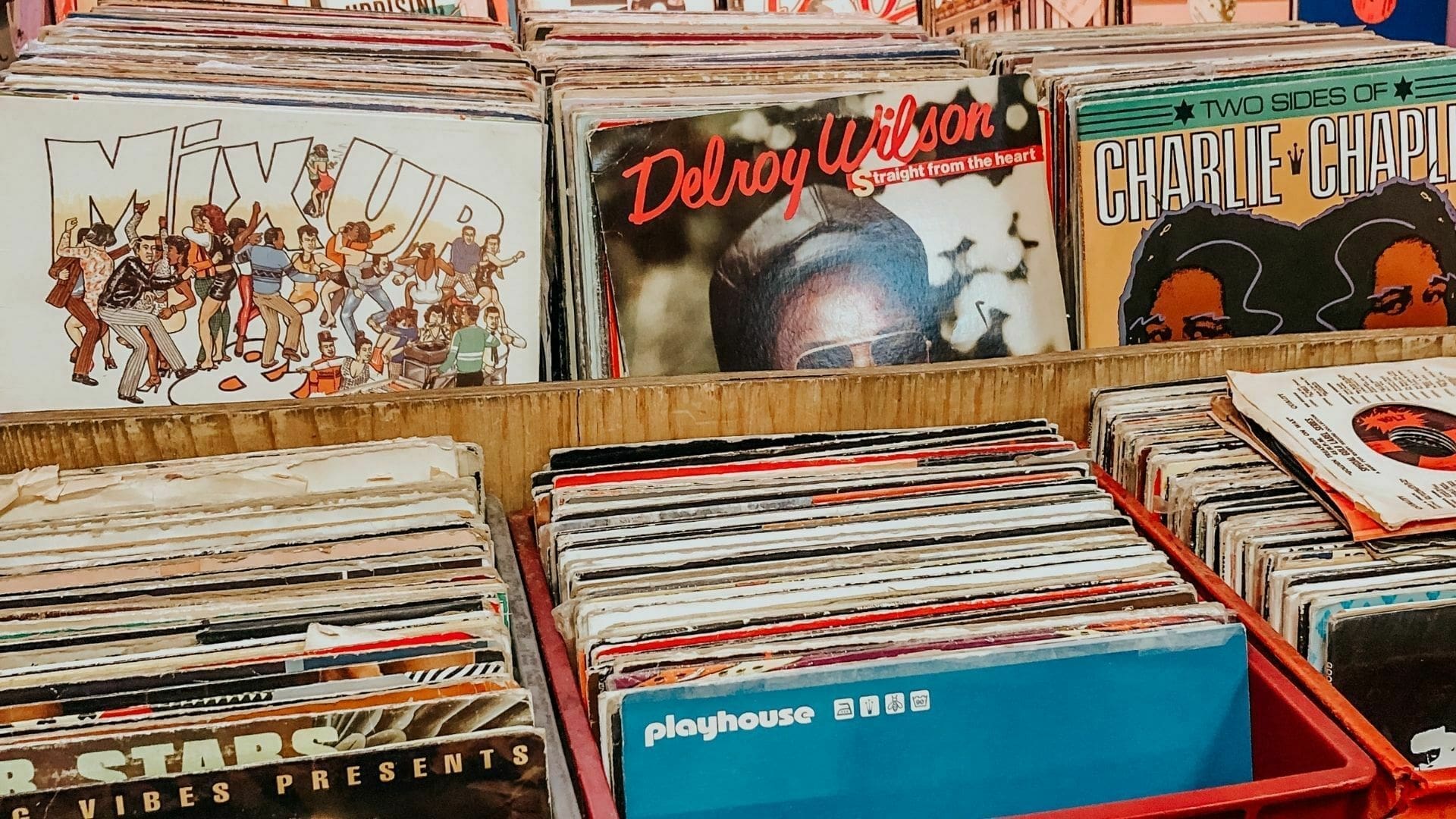
Open-source hip hop: The Black and Brown dialogue


Hosted by
KT & Oti
Show Notes
From the 808s to the Pacific Straits join your seasoned friends and lovers in an honest dialogue on the Brown and Black experiences with Black culture. We will also review NZ documentaries A Reason to Rhyme and Dawn Raid.
Referenced

KT's Picks
Referenced in this episode


Episode Details
- Duration
- 0:00
- Released
- May 31, 2022
- Category
- Episode
- Hosts

Transcript
Transcript (10,616 words)
Full transcript of Open-source hip hop: The Black and Brown dialogue.
KT: It's another week in the reference household. A little change of format, but another PSA. The For Your Reference household is a safe space, but it is also a place of growth. Oti and I are staunch advocates of if we're gonna talk about it, we're gonna fucking talk about it. So if you have not done the work, this episode may challenge you. Stop eating around the clit of truth, friends and lovers. If you believe only white people can be racist or don't believe in colorism,
KT: strap in, but not strap on because you might enjoy sitting on hard shit, and I need you to focus. If you are not black or brown, you're welcome to this space, but it is not an open floor to occupy. If you are brown, you are brown. We are not black. We have experienced unspeakable pain at the hands of colonization and religion, but it is not the black experience. Also, we may benefit and be welcomed into black spaces, but it is not ours to occupy. Lastly,
KT: if you are black and felt conflicted at The Harder They Fall or black on black slaps, Oti is your steward and will keep you safe. Let's feel the hip hop. Let's get into the show, friends and lovers. Hey, friends and rhythmic lovers. Welcome back to the For Your Reference podcast. You got your host, KT.
Oti: And Oti.
KT: From the 808s to the Pacific Straits, join your seasoned friends and lovers in an open dialogue on the black and brown experience with black culture. We'll also be reviewing the New Zealand documentaries,
KT: A Reason to Rhyme and Dawn Raid this week.
Oti: Mhmm. Hoo hoo hoo. What a spicy, very on brand Muy Caliente way to end AAPI month 13.
KT: Yeah. It is. There is a part of me that felt a bit conflicted in the sense that I don't think I ever put that much of a preface in our podcast, but I did it because maybe suddenly my brown people that don't know this podcast might stumble across it. But I guess the if if we're being if we're being open kimono Kendall from Succession right now,
KT: it feels weird that I am I am I I provide all dimensions in regards to every facet of cinema and entertainment, but I've been eating around the edges in regards to brown entertainment. And I guess when I talk about brown people, I'm talking about Pacifica as well as Maori people. I guess the other browns can have other advocates fighting in their space. So let's let's get into the show. Like we mentioned, this was kinda spawned off the Reason to Rhyme documentary, and we will be giving a general sort of review on the documentaries.
KT: But I guess, essentially, what spawned this concept for a new sort of format into the For Your Reference podcast was there was a central theme of hip hop belongs to no one. Wow. Is that that foreboding of times to come Oti? So I guess again, there was a preface, it was very cute, it was very reminiscent of the slaps if you enjoyed the last line with Oti. But I I guess the point of what I'm saying and why I wanna get to this is
KT: globally around the world, we all benefit from black culture, whether we're speaking about general black culture or African American culture. There's a lot of resonating themes globally that everyone can have even if they're not black. You know, I've said it many times on this podcast. It is a black film, but it's not just to be enjoyed by black people. Mhmm. But I think sometimes the lines can be blurred on ownership and I guess also pain, struggle, and trauma as well. So through the lens of open source hip hop Oti,
KT: I just wanna give, as we always love to do, our frame of reference. So if we're talking about hip hop specifically, when was it first introduced to you on the shores of Kenya?
KT: And I guess how has it evolved up until today?
Oti: So I think like many, I got introduced to hip hop very early in my age.
KT: Many, if any?
Oti: Through my brother and he was into the NWAs, Wu Tang. And you know what? Back then, young kid, you know what? It was just passing me by. I can't really grasp through it. But I came to my own once I really started getting into Biggie and Pac, and then it expanded my mind. And then I went back to the NWAs,
Oti: and that expanded my mind for what hip hop is. And then you'd have Kenyan artists who were also doing their thing. Yep. And it's sort of different. It's of course, there you could see and you could draw the parallelism of all it, but they'd put their own spin to it. Yep. Adapts to it and then you have Kenyan Hip Hop. So taking all that into account and it being a basis for my music enjoyment, I don't come here and claim that hey Kenyan Hip Hop was a rapper invented this shit. It's
KT: Oh, wow. We're gonna get to it before we even get to the review here.
Oti: No. I'm just saying, there's been plenty. You could tell some have borrowed styles from à la Mos Def. Like, you could tell so much that, oh, this this guy is spitting like this because of you know, you could tell. But there were different struggles. Right? There were different struggles. Yeah. You know, they're speaking their truth and their struggles because it's completely different for what the African American struggle is. Yeah. You know, we're black. The black experience is common everywhere,
Oti: but it's also sort of distinguished between borders. Once you cross that border, you'll experience the fuck all the motherfucker is experiencing. But on the other side of that border, it's still a black experience nonetheless.
Oti: But we're not here to pretend that there's nothing to ownership or there's nothing to at least paying an ode to where it came from. It's it's nothing bad. I think that's where we actually get to see a lot of black successful people in the, you know, in the past don't really people don't really know of them. You don't watch movies like Hidden Figures even though the fucking black people in NASA back in the day. Yeah. You know? It's wild. So if you're not really keen into reading books like that or trying to
KT: We're getting cerebral up in this bitch.
Oti: I'm not getting details on specific you're not getting out of your way. You'll never know these things because it's not taught in schools. You're not given this information. Like in Kenya, we learn about everything, every single shit that happened to our country, Africa, and the world. And I feel like a lot of people that I've come across, they just focused on their own country. Like, per se, Americans will only mostly focus on American history. Yeah. You as an Australian, you told me it was Australian history.
KT: That felt loaded calling me Australian, but anyway.
KT: No. But but. Claim my pigment. Claim my melanin. How dare you?
Oti: It was a big bonus on us, you know, and I think it just brought into the into the sort of worldview or how big the lens is. So when you're looking at it through that way. But either way, I do appreciate what's been brought, be it hip hop from either America or Kenyan hip hop or even African hip hop at large. You know? There's the great artists now doing their thing from Kenya and Africa. You know? It's just wonderful to watch. You know? Things can grow. Things you can still maintain your originality,
Oti: but not pretend that I'm the one that invented this. It's
KT: Like, just because there's an influence doesn't mean it means any less to you. Yeah. And I think that's part of the point. And it's interesting that you bring that up. I it's something that I wanted to touch on as well. You know, if we talk about, like, the early sort of beginnings with the 808s, you know, if we're talking about the seventies, if we're talking about the eighties, that was a very transformative
KT: time in America. And I talk about it a lot. I reference it wherever I can. But, you know, change and radical change or even just change in general doesn't happen in conservative spaces because it is in the best interest to keep the status quo. So all of the arts, all of you know, a lot of the music had shit to say right? But even then a lot of the hip hop, lot of the rap that had shit to say was very specific to The United States Of America.
KT: Yeah. So I guess the question that I wanted to come to with you, you know, even talking about like Kenya gaining independence, like, I can only imagine the the richness of music that was supplemented for the time. It wasn't necessarily playing NWA, like, in freedom marches and that sort of thing, was it?
Oti: No. And that's the thing. Like, we have our own identity
Oti: and our own music. And it's it's things that you grew up listening to up till now. Like, I go I would go back and listen to things I used to growing up, you know, that's all removed from what's mainstream now. Yeah. And what's been sort of commercialized now. So it's it's that sort of way in which I could respect what an artist in the late nineties
Oti: would do, and you could tell, oh, he's trying his own spin on A pop, and it's quite good because he gets some Kenyanness there, but there's an international appeal to break through the boundary and that sort of thing so that your music or Kenyan music isn't just located
Oti: within the country and can sort of be consumed from a majority of the people. Yeah. And I think that was a battle where a lot of the people were fighting because for the longest time, and in the at least growing up, yeah, it used to feel like a small microcosm of where music is appreciated. Yeah. And then once it started adopting a little bit of more international sort of appeal, then you start seeing the appreciation.
Oti: You you get people like Sauti Sol who've been doing their thing for such a long time. Beautiful. Wonderful. But in their earlier stuff, it used to be so different. And if you listen to Sauti Sol at the start and you listen to them now, Albania is not fucking hip hop. You can still see the transcendence of how they they broke through. And I think while we're saying like, we're talking about hip hop, but we're just talking generally about black culture.
KT: You know, we even covered Rafiki as our first sort of offering during pride month. And, you know, homosexuality is still illegal in Kenya. And unfortunately, a lot of The Pacific as well, it's illegal as well, which again is the tangible sort of ramifications that we're still feeling from colonization. But it's it's a beautiful thing to have art to be able to underscore, you know, the feelings of the public. It might not necessarily be reflected in the law, but we see that. And, you know, even talking about Sauti Sol, we have Chimano who,
KT: you know, he is able to express himself through his art even though again the laws aren't necessarily where they should be. So I guess I'll come to me, my introduction to hip hop in Australia. I will concede that I am not a music critic, if if anything. So it really is just speaking from my experiences. But it's it's the same thing, you know, older brothers, cousins. Whenever you go to, like, family functions, there's the general sort of ambiance and fanfare.
KT: And then once you get to, like, your early sort of teens, you kinda sneak back to, like, you know, the other side of the backyard if you're rich enough or maybe to another bedroom where you start playing, like, rap or, you know, more current sort of contemporary, the cool sort of music at the time. I do remember that I really enjoyed a certain rendition of Cherish the Love and Oti poo pooed me out of the house for a week. But there's and also the Brandy and Ray J version
KT: of Another Day in Paradise. Don't besmash black culture, Oti.
Oti: Phil Collins too?
KT: But, you know, again, a lot of Tupac, a lot of Biggie. But even then, at at my young sort of age, I was still able to separate the fact that this is really cool. You know, they're talking about not necessarily being treated the same as mainstream slash white. But I also didn't find myself connecting,
KT: you know, control c, control v right on the same pain that was being rapped about. And I guess the reason I wanna why I wanna lay that out there is because, you know, we have a TV and film podcast. I'm so happy with the collection of cinema, whether it be TV shows, whether it be English speaking,
KT: whether it be subs and dubs, like, whatever it is, whatever we're covering, I love that we can cover it and we can cover it with a frankness. And I guess in saying that and I I playfully say it all the time, but I do make it very clear that I am not black. Like, there is so much that we cover in regards to black issues via you know, most recently, did Boyz n the Hood, The Harder They Fall, you know, Belly.
KT: These are, like, also, very coincidentally, one of my favorite sort of recordings with Oti because we're really able to get in and and nourish ourselves in dialogue, in shit that matters. Da 5 Bloods as well. There's there's so many resonating themes, but I never make allusions to the fact that Tan Dwei, my black pain is your black pain, bro. I
KT: would never try and copy and paste my shit on top of that. And there's there's obviously some things I wanna talk about in regards to the documentary. But if I'm just talking about me as a young impressionable, you know, I talked about it in in Head High. I've talked about it in probably every Australian thing we've covered. So Redfern Now, Mystery Road, Total Control, Also, The Sum of Us as well during pride month. Like, I've talked about how when I was young, and unfortunately,
KT: even now, if you turn on a screen in Australia, you're gonna see a lot of white people, and it's not necessarily reflective of the whole of Australia. Right? Yeah.
Oti: Get my shock when I thought Australia was like Neighbours.
KT: Well, Kylie's coming back, so that's some sort of redemption. Right?
Oti: Well, Yeah. Looking forward to the last episode, Oh, I guess.
KT: Livestream Oti Oti leading the livestream. Yeah. But I I guess the point that I I'm saying is, you know, even though I had my, you know, the the community, whether it be church, whether it be Tongan, realistically, in a general sort of everyday Australian,
KT: yeah, we weren't really in spaces. You know what I mean? So I can kind of see, and it is kind of sad that it took having to watch or to consume American media to find something that, oh, okay. So there are struggles and maybe they they can overlap with mine. So that's a sad layer for another day. But I I just wanna make it very clear that in no way did I ever, you know, try and sully myself to the fact that, you know, this pain is absolutely
KT: my pain. You know, we can talk about over policing in ethnic multicultural areas, but we're not talking about the same sort of situation that happens in The US. Yeah. Let's move on to the next theme. From the 808s, the Pacific Straits, and obviously, I can mention stuff. I'm actually more curious about what Oti has to say. Personally, I don't think I've actually said it explicitly on the podcast, but personally and I guess for those that aren't Pacific Islander,
KT: and I guess maybe it's different, but I would say it is quite the same. Maybe not like US Pacific Islanders. I've been on Poly Twitter. I see that there's a difference, friends and lovers. But if we're talking about, like, Australia slash New Zealand sort of islanders, the use of the n word is so comfortable, which is wild to me. Friends and lovers, if you are not listening in a linear timeline or if you've just, you know, introduced and splooshed yourself and you haven't disappeared this far into the episode. In February, we did cover Tarantino
KT: Taste Tations and it was spicy. And obviously, there was a recurring theme of the use of the n word in the six films that we covered of his. Mhmm. And, you know, even you shared your thoughts on the usage of the n word as well. But I guess, like, for those that don't necessarily have that frame of reference, I will say, unfortunately, very embarrassingly, the use of the n word is used quite comfortably in Pacifica spaces. Unfortunately, you know, I I I tried to I tried to listen to,
KT: you know, current and even in the early sort of February, New Zealand hip hop artists, Australian artists. Auntie KT finally got into one four, friends and lovers. So I was trying to listen just to get, you know, a better sort of appreciation. I think, you know, know, with Kendrick's most recent album, but really, I haven't really updated my discography since then or even, like, Forbidden Fruit with J. Cole. J. Cole is Oti's favorite artist. DM him later. But I I guess I was listening to
KT: the music, and I didn't necessarily hear the n word, but then that was what was very confusing about the documentary, A Reason to Rhyme, which we'll come to. But I guess I just wanted to, you know, set it out fairly early in this recording. Unfortunately, you know, even the religious pacifica are very comfortable with saying the n word. And, you know, there is a layer, and we also saw it in The Panthers. There is a layer of we were called the n word,
KT: but also at the same time, Oti Oti comes out with some beautiful uncut cut if you're nasty gems. And he says racism doesn't have to be smart. Know? Like, we we could like, even with the naming of PNG as well. Like, you know, even the discovering of apparently India, like The United States, like racism slash colonization, like it doesn't have to be smart. So the usage of the word, I guess, definitely has a different sort of waiting. But again, in the preface, in the PSA,
KT: we're going to fucking talk about it. If you're not ready for it, if you wanna sit in the center and and keep the status quo, then absolutely, by all means, that's your, I guess, Bobby Brown non appropriated prerogative. You know? And and and I I will also admit when I was very young, I tried, but it was very much like a Key and Peele sketch. It just feels like, it just didn't feel right to me. And I think it's also with the the idea that there's no overlap. And, you know, unfortunately,
KT: you know, as trying to be conscious, maybe Nas level conscious in this world, You know, I try to do the work within my community but you'll find out very fast if there are brown people that wanna say the fucking n word, they will defend that till their dying day.
Oti: And why do you think that is? Like because they were called the n word or is it because they're not white?
KT: The dance hall belongs to Oti friends and lovers.
Oti: No. It's a serious question.
KT: Genuinely? It's because we're not white. I I think I think it's if we're going to have a real conversation and I you know, we even talked about it in Candyman, how it's not just white people that gentrify. We talked about it in Pachinko. It's not just white people that colonize. I think it's easier to to point out that because we're brown, we don't need to deal with this shit. We don't need to do the work. Because personally,
KT: you know, when when we're because I think when we're watching 4 Blocks, 100% recommend go and watch it. But, like, I was like, if we were to see anyone else that wasn't brown using the n word, to me, it's just as cringey when brown people say it. Like, I don't understand how brown people think it's different. It's the fucking same and that's what makes it worse. But but to specifically answer your question,
KT: again, we're in a lot of spaces that are very white but are very non brown. And in a lot of cases, I know this will shock you, Oti, because we've talked a lot of times how in Kenya, you said I if I'm not black, I'm white. And then you came here and you realize if you're not white, you're black here. I that's a fun little tidbit we talk about a lot, friends and lovers. But this may shock you, but there are instances with my whole light skin ass that I'm the darkest person in there.
KT: My pasty brown ass is the darkest person in the room. Yeah. And I think that goes back to we've gone through a lot of struggles. Again, like I talk about the fact that like the dawn raids are quite new to me. Even, like, using Pacific bodies for labor was quite new to me. It it happened in Australia. It's still happening in Australia. It happened in New Zealand. So it is something that's new. It is absolutely the word slavery, you know,
KT: but it is not on the scale of four hundred years of slavery. And it's also not what that white English guy said in Hate Thy Neighbour where he said white people were the first slaves. If you haven't watched Hate Thy Neighbour with Jamali, it's very good. Definitely would recommend. But I love the question that you're bringing, Oti, because it is very real and to very simply, it's because we're not white. So we kind of exist within the space of ambiguity. And I think our proximity to blackness and our proximity to whiteness
KT: kind of gives us the fucking cheek to show our whole ass, and that's the problem. But in in regards to this particular theme, I just wanna get general thoughts from you. I'm not even talking about, you know, is it right? Is it okay? Who owns it? That sort of thing. Just the fact that, like, there is a section of Pacific hip hop and even, like, Pacific reggae. What are your thoughts on that? Because I would imagine,
KT: you know, growing up in Kenya, when you think the word islander, perhaps you're thinking of, like, The Caribbean. Right?
Oti: I didn't even take it that way. I think I just simply enjoyed the music regardless of where I thought it was coming from. I don't think those questions came to me on thinking, oh, is this Pacific Islander? Is this Jamaican?
Oti: What is this? I I didn't draw
KT: But I think reggae is a bit easier to, like, meld into there. You can tell the difference between, like, island hip hop.
Oti: Yeah. You can tell the difference, but I don't think it was it was a distinction. If you tell me that either I'm listening to Morgan Heritage or J Boog, at the end of the day, it's the enjoyment that I took from it Uh-huh. Rather than distinguishing, oh, J Boog and Morgan Heritage go in different baskets. Yeah. No. It it wasn't that.
KT: Okay. I want to get into a couple of more themes, and then we'll talk about the documentaries. I wanna talk about the identity of the Pacifica diaspora, and we kind of talked about this in The Panthers episode. I don't believe that, like, if we if we talk about, like, the African diaspora, like, there is a very specific
KT: identity to being, like, an African in The UK. Right? There's a difference to being an African in The US. Yeah. And I guess Oti can decide whether there's a difference between being an African in Australia.
Oti: All the same. No two parts.
KT: I personally don't believe that, like, Pacifica people have a like a a distinct diaspora identity. Personally for me, because I was brought up with a very traditional, like, a mother that stays at home, the homemaker, and then a father that went out to work. But it was always within the view of giving back,
KT: which is fine, but then you're not necessarily planning forward with finance literacy, for example. You know, with building the foundations of what the future is going to look like, it's always about taking care of your own and sending money back home. Yeah. And it was a very common sort of conversation
KT: especially for my parents to be like, hey, when we're going to get quite a bit older, we're going back to the islands. It was always a mindset of we're here for opportunity but this isn't necessarily our home and I don't necessarily or maybe I'm just in different circles but I I don't necessarily feel like there is a laying
KT: down of roots outside of the Pacific.
Oti: I think it kind of made roots just because we were so far removed from, at least from my family speaking. Yeah. My father, his home is out in the rural areas in Kenya and we all moved when they was really young to the Nairobi, which is the capital city. Yeah. And they lived there all their lives. So even when kids were going back to their rural homes during Christmas and shit to see their grandmothers,
Oti: we were just always in the city. Yeah. And we'd be pretty much during holidays, we'll just be alone there because everyone all of and all of your friends has already traveled. Mhmm. So it became this sort of, okay, Nairobi is all we've known. Yeah. Once my family sort of started moving and going to different countries, they found their own roots and they built their families there. And yeah, they'll go back to Kenya and visit. For me, I think personally, I'd look forward to possibly going back just because of the vibes and
KT: Speak freely, my love.
Oti: Yeah. Like, I spent a lot of years there. Yeah. I think knowing what Australia has to offer, which is a good country, great opportunities and all that. But in future, if I wanna retire, I I see myself just going back and kicking up. Know? City Sydney is really, really busy. It's sort of Nairobi in a magnified level. Uh-huh. And I wanna move away from that. So if you're retiring, yeah, why not? Yeah.
KT: For Your Reference in Kenya soon, friends and lovers.
Oti: We retiring that soon, Yeah.
KT: Well, if we can get some podcast pennies. I don't even mean that in a pejorative sort of way. I just like that's genuinely how I feel, especially when you grow up like in Australia, I grew up in Western Sydney, which is very multicultural. You kind of traverse two different worlds because the world that you go to school in where you're allowed to ask questions is not the same world where you can ask questions because that becomes, again, challenging the norm, challenging the status quo.
KT: And, you know, it's not a good thing, it's not a bad thing. You know, there are great things that can be benefited from different sort of worlds. But like, I personally don't like or maybe we just need more sort of like generations. Like, even if you look at different generations and different races that have like embedded in America for example, even if it's through like really violent and tragic ways, there are generations of wealth that come from that migration. And I again, maybe I'm not in the right circles. I'm just speaking from my experience.
KT: I think there's a lot of there's a lot of building the foundation that already exists as opposed to the future foundations for yourself and other generations to come. Yeah. You know, people take out loans for like their kids birthdays and shit. And I'm sure you can relate to that. Like, the the the the air, the image of like having the money when everyone knows by god you don't. Mhmm. Alright. Let's go into the next theme. And this is kind of, you know, kind of the reason why
KT: I wanted us to cover it on this podcast. Also, shout outs to Emily from Studio Kin for the gentle nudge to want to explore this particular concept and episode. This is another theme I'm borrowing from The Panthers. Don't rock the boat, baby. The waves of culture and religion. So this moves perfectly from the previous theme that we talked about. And again, this is going back to my research in regards to this particular episode that we're releasing this week. Every every instance of art for me is a piece of art that is to be
KT: spoken about, is to be cherished, is to be reacted on, like everything that exists in the ether is there for feedback. And and I guess with a double edged Splooshie plug perhaps for this podcast as well. Like everything is open to interpretation, especially if we're talking about the arts. And something that I thought was quite interesting researching for this episode is I don't really see a lot of, like, music critics that review New Zealand slash Pacifica diaspora hip hop. Alright. I I guess the best way to say it is in the Oti Zuckerberg metaverse,
KT: we are a TV and film podcast. Yeah? Mhmm. We're also ready to give you the one two punch in regards to how we feel. Our hot takes are very and we're always going to get into depth and discuss particular themes or any sort of qualms, any sort of Delroy Lindo quarrels, or any Christoph Waltz quarries. We're always going to talk about shit. And, you know, whether it's about black cinema, whether it's about a Korean drama, whether it's about beautiful Mads Mikkelsen grieving on a bike,
KT: I will always give my opinion and and I guess what I was able to tangibly hold on to in regards to particular themes introduced in narratives. And it I don't know how I feel about the fact that New Zealand hip hop is not being challenged in any, like, in any any any any way. You know, Oti is a staunch advocate of settle your shit within the circles and don't take that shit public. Oti is very much that. Right? Yeah. My fundamental sense of self, which I've mentioned a lot on the podcast,
KT: you know, I I was I was a young woman living in the city. Naturally, I was straddling the devil every week, and I'm not even talking about Oti. But to to live outside of the expectations and and the the predetermined path of what it was to be a young brown woman, a Tongan Mormon woman in Australia, all of those fucking obligations, those were arbitrary circles. I stepped over that shit. Right? So, like, even personally within my life, I I put myself at the center. Right? It wasn't necessarily, like, about the community
KT: and that sort of thing or trying to keep the peace, so to say. And that's that's kind of why I named this theme, don't rock the boat, baby. So I I do wonder if there is a reluctance within our brown circles to not wanna call people to account in regards to saying the n word or or trying to claim hip hop is theirs. But it it is interesting because, again, I I navigate as a Will Smith I, Robot individual. Wow. Yeah. There's your reference Oti.
KT: And, you know, I I love being able to enjoy things without having to stifle how I feel about something. So I do think it's quite interesting. I don't know if it's just that, like, population wise globally, like, it makes sense that there is a lot of, like, criticism, and I'm not saying criticism in a bad way, like music criticism, film criticism in regards to all facets of cinema and music, I'm not necessarily seeing that in regards to New Zealand hip hop. So
KT: is it a way like, does that embolden the current scene, or is it just people have other things that they're caring about and they're not necessarily focusing on it? But then I guess that also goes back to my fellow brown people on, you know, whether they wanna have that conversation or not. You know, I talk a lot about black Twitter. I'm very new to Poly Twitter. But even in the the recent times, it that becomes a rotating topic of, like, you know,
KT: brown people that staunchly believe they should say the n word. Even, like, islanders that grew up in California that their uncle knows Snoop Dogg. They feel like, you know, that's their claim. That's their card.
Oti: Yeah. I hear that. I think there's also some
Oti: in Kenyan, at least hip hop growing up would get artists who would mimic dub hip hop that would sound American, and they'd get a lot of slack for, hey, why are you sounding why are you just lifting in Vicki's sound as per American? You're not American. Sing it like Kenyan way. Be it proper Kenyan hip hop proper. And the question is, what the fucking is a proper Kenyan hip hop proper? You know? What what what is the fine distinguishing line between, hey, you can't sound like a,
Oti: it being American hip hop to it being Kenyan hip hop? And you'd get artists that would come and push that boundary a bit. Yeah. And you'd get they'll
KT: Why do you sound like the black equivalent of what the people were saying in this New Zealand documentary?
Oti: No. No. Because because it's it's it's an interesting discourse because even now with someone like Khaligraph Jones
KT: He sounds very American.
Oti: Sounds very American. Yeah. I cannot tell him, oh, you cannot do this? No. Why? Because at the end of the day, we
Oti: it's it's an ode to something that was, you know, where it came from. Yeah. It's he sounds good. Why should I be the one fucking gatekeeping shit? I shouldn't. But he's not coming here to say that he he he he's not on the on the front phone saying, hey, hip hop is mine or hip hop is Kenyan or hip hop is West. He's not saying that, but you also I'm just saying. And
Oti: he's regarded as one of the fucking best people out there. Woah. What the fuck? We know who we're asking when they give us that hook. So don't come up, me, for saying It's like saying Fogi's the best vocalist.
KT: But I think also to, like, lend some graces in in all the black and brown spaces if you're nasty, if you'll pardon the pun. It it's natural to copy. Copy. Like, you know, even when we covered The Panthers, for those that haven't listened, I've kind of referenced it a million times already. But there was a chapter of, like, the Polynesian Panther Party to the Black Panthers in The US. And, you know, very naturally, it makes sense to embody a lot of the foundational sort of principles. Right? There were breakfast programs. There were tutor programs.
KT: There was also, like, a legal aid sort of book that the Polynesian Panther parties put together as well as a lot of social change that happened in New Zealand. And also in the same way, New Zealand hip hop kind of, you know, found its genesis in the American, you know, the the OG, pretty much. The OG Elvis. So so what I would say is, you know, even when you're saying, like, when you first got, like, artists in Kenya,
KT: it's not necessarily a bad thing that it was being copied, but it it becomes an evolution. And I think you can't evolve if there wasn't
KT: an initial
Oti: Exactly. You have to be fucking influenced by something. Everything, you know, you might feel like copying is a but, but no. You're all fucking influenced by something. Yeah. But to say that that own sound exists in a vacuum is fucking ridiculous Yeah. Because it doesn't. But it it also makes you a bit a couple of steps from reality. Yep.
KT: Like, you know, friends and lovers, you know, you may enjoy and partake in Oti, but he's not yours. He's also not mine.
Oti: Oh, yeah. I thought I was yours.
KT: No. You get your own planet on Kolob. That's
KT: another plug to our future Under the Banner of Heaven episode, Friends and Lovers. But let's get into the documentary. We've already covered a lot of it, but there's a couple of things in general I wanna say. It was interesting to me because, like I said, throughout this time that, you know, I I discussed it with Oti and I was planning that we're going to have this episode, you know, I've been listening to a lot of, like, the foundational sort of New Zealand on the ground hip hop.
KT: I never really heard instances of the n word. And but then again, I just randomly clicked on, like, one that, you know, was within the 2020s, and I heard it in the first line. So I guess it's like a tit for tat. But I I guess what was confusing to me was, you know, I also watched the Dawn Raid documentary. Oscar Kightley is no stranger to the For Your Reference podcast, bro'Town, Oti, as
KT: well as Hunt for the Wilderpeople. He directed the documentary for Dawn Raid, and we've talked about Dawn Raid and The Panthers. We've kind of talked about it here. But this label was created to inspire you know, it I I guess if we're talking about, like, claiming ownership of the Dawn Raids and, you know, becoming that Phoenix that rises from the oppressive ashes, so to speak. Right? That documentary was very interesting. But what I what I found about both of these documentaries was again,
KT: it was don't rock the boat baby. No one was ever offering any sort of dimension. It was a very linear, we're going to tell you this story. Someone might call it bias, but we're going to tell you this specific perspective, and we're not going to challenge that in any way. And, you know, Oti and I watch a lot of documentaries. And part of what bothers us about when we watch documentaries, like, even the WeWork one was a bit frustrating as well, where they don't offer different sort of dimensions on the actual events. And
KT: I think that's what was happening, specifically in regards to Dawn Raid. There was a lot of mismanagement in regards to the actual label. Adeaze specifically, they're they're like an R&B singing duo. One of them was very vocal at the release of the film because he he felt like a lot of what he said got cut out. And yes. And also based on the fact that they had the highest selling album that was bringing in a lot of the money for the label and the money that they were getting didn't reflect that.
KT: Which, you know, I guess if we're looking back in time, shout outs to all of the great sort of, you know, biopic series. I'm thinking about the TLC one right now. You know, if we even talk about Bobby Brown, New Edition. You know, there's there's a big conversation about owning the masters and, you know, owning your own music and getting signed into contracts where you don't necessarily sort of benefit. Right? That's a different conversation. But the fact that it was so starkly not in this documentary
KT: felt like they wanted to create a particular sort of bias in the documentary. They didn't wanna be challenged at all. Mhmm. And I thought it was quite interesting because with Brotha D and also Andy Murnane, he they they both met at business school. Right? That's how they met each other, they decided to create the label. They started selling shirts, which kind of funded a lot of the sort of recording time, and eventually, they got a studio. They were very enterprising. The dad helped a lot with them. They had, like, a hairdressers.
KT: They had a clothing apparel shop. Like, they they built a lot in regards to, like, the the the injection into the business. But then they kinda just skidded over the fact that they went into liquidation really quick. Like, I don't know. I I guess if it was if it was I I think the best way to describe it was it was a celebration of a point in time, which cool. But then if if if you're only ever going to be celebrating and being very quiet on the potential I wouldn't say exploitation,
KT: but the potential mistreatment of your own artist, but you created this to give artists a voice. It feel I feel a way. It's got the Roy Wood junior residue of exploitation. But let's talk about A Reason to Rhyme because we've both we both watched that together. We had to pause a couple of times just to take a break. The reason why I mentioned the Dawn Raid one is because you've got the Deceptikonz. And Mareko, specifically, he was very vocal in A Reason to Rhyme.
KT: And I when I watched Dawn Raid after watching A Reason to Rhyme, Mareko, he it was like footage of like a in Australia, it's like a Today Tonight, like a a news current affair sort of program. And when Mareko was asked about what his influences were, he said, oh, you know, we really like what's happening in America and this is our take on it. That's what he said in the film that came out called Dawn Raid. But then a year later in the Reason to Rhyme documentary,
KT: he was saying, fuck that shit. This is ours.
Oti: Yeah. There were some really hot takes in there. I remember Ladi6 saying how she went to Tanzania and I don't even know what the fuck that was in there to give us some cred. I don't know. That's so disgusting.
KT: But can can we also talk about how fucking disgusting that is? Like, even in, like, professional sort of workplaces,
KT: whenever it comes up in conversation that, like, I've been to Kenya, I just stamp that shit out. Like, you know, because there's there's there's some sort of, like, reverence. And I guess that's the reason why slum tourism exists. Like, I'm not having this fucking conversation where you can feel better because you can talk about where you fucking volunteered overseas. Fuck that shit. Just because you fucking lived there, what does that even mean? It gives us some cred, man.
Oti: But you know what? The whole idea that, hey, whatever inspirations we took from, that doesn't fucking matter. We've created New Zealand hip hop, and that's ours. It's a fallacy. Yeah. Because a, you took influence from something to derive your new sound. Yeah. And it doesn't I've listened to a few. It doesn't sound that mean. No. No. No. This is not shots fired. It's it's it's fucking hip hop at the end of the fucking day. Yeah.
KT: So shots are fired, Oti Suge Knight.
Oti: So you could break it down, but it still falls under the genre of fucking hip hop. Mhmm. And if you want to be that far removed from it so that a, you can claim all the clout or I don't even understand the increasing
Oti: need for it to be like, oh, this is ours.
KT: Yeah. Why why it's it's perverted. Like, why does it matter? I have no idea. Like, why do you have to say that that no one else no one else influenced you? This is all from your brain, baby. Like, why does that why is that such an important point? Yeah. It's it's wild.
Oti: I just don't understand that. I think that's the one thing that I'll keep on struggling with. You could hear them talking about everyone that they listened to growing up and then say, hey. I just did this outside
Oti: the dome.
KT: There's so many jokes about how bland cuisine would be without colonizing India, for example. How bland would music be without black culture? Yeah. Like saying just because I spice my fucking food now, it's original. No. Well, Jamie Oliver would say that with his jerk chicken.
Oti: No loose jerk chicken. Thanks.
KT: Guarantee.
Oti: You know, and that's a fucked up shit. But maybe that that he believes he's the inventor of fucking jerk chicken, you know. He he took his twist and put it in, and that's fucking his master creation. But why why why do brown people have that superiority complex? It makes no sense. It doesn't. It doesn't. It really and that's what irked me about watching this. It just felt like a group of people who've done a few things in their like, be proud. It was embarrassing. No. Like, be proud of what you've done. Being
Oti: successful in hip hop or in music is so fucking easy. Yeah. You've done a fair bit. Yeah. Don't try and fucking shut that door Yeah. Just because you think that, oh, because I've I've become successful in a certain degree that I'm the master of this. Yeah. Because
Oti: you're not really.
KT: You just become Jaden Smith in Karate Kid. You're not you're not the original. It was it was DJ DLT. He was very audacious with the sense that like, no one it belongs to no one. But then he also tried to tie like Maori ancestry into hip hop. Yeah. Like, which is it? Yeah. Yeah. If it belongs to no one, then fucking no one owns anything. Yeah. You can't pay ode to anything. Yeah.
Oti: Which is fucking crazy. And whatever it is that makes you want to drive and claim that it's yours and it came out of the fucking void, It's just sick. You sound deluded, you know? And I'm, you know, from Kenya. I really didn't get a lot of Maori stuff, not at all actually. So coming to Australia and KT introducing me to a lot of it and listening to these guys as well,
Oti: you know, like you got me to listen to Scribe, apparently they're really successful. And I was like, oh, this guy sound cool. He's the most lyrical I would say. Yeah. It was like, well, shit. I would get down with this. Yeah. You know? And then some of the other stuff, those people were singing, you know? It sounds cool. Alright.
KT: But I think Scribe is very specific to New Zealand. Like, I think that's that's part of why I because obviously there are very hot takes about Scribe. But like, I think that's part of why I I I kind of have a little bit of respect for him because it sounds very specific to his experiences. And I and I loved it, you know, I loved his sound. But you know what was embarrassing?
KT: It happened in Dawn Raid, but it also happened in A Reason to Rhyme where it's kind of like, you know, well, I guess the equivalent is you go viral on social media and then Ellen would get you on their show. But you're kind of just the same person that you were. You know what I mean? And a lot of their their accolades that they felt about themselves was their proximity to OG
KT: on the ground hip hop in America. Right? Yeah. So so why are you flying to this land that doesn't exist then and making albums with all of these artists, all of these producers? Oh, yeah. I had to go to New York to get to the grassroots,
Oti: but you know what? That doesn't mean fucking shit because hip hop is ours. Hip hop is you and me.
KT: Like, it's like, it's it's fine, babes. It's fine. Like, you can you can feel it. But just also know that you are that blonde lady that gets braids at Jamaica. Just know that. I think the most important takeaway is that for them to understand that it doesn't take away from their accomplishments.
Oti: Yeah. Whatever you've done is is impressive. It's your own. Yeah. And you've achieved that. Yeah. No one's gonna take that away from me. Yeah. You know, you are a hip hop artist. It doesn't make it any better or or or more prestigious claiming that a whole genre belongs to you. Because it's not like champagne where you can only call it champagne if it's produced and manufactured there. In France. Yeah. Yeah. It doesn't fucking
Oti: it's not like that at all. Anyone can create hip hop. Yeah. Anyone can. But me We see you late in me stuff. Yeah. Like me coming up here and dropping a drag on me like, oh, off the dome vibe. It's my own. Hip hop doesn't belong to anyone because That's hip hop. Because the last fucking years of my life didn't I was living in some fucking void that I didn't get influenced by anything.
KT: I think it was a very brown circle. I think that's part of what it is. Because,
KT: again, if you're not willing to do the work and you just surround yourself around people that continue to praise you and they're also not black as well, like, it kind of it kind of feels like folly. And I think that's part of what we're getting and that's why, you know, again, shout out to Emily. But that's why, like, you know, we're having this episode. We're having this dialogue today because even you, as a black person,
KT: don't believe Kenyan slash African hip hop is The US hip hop.
Oti: No. It's not. It's different. Yeah. But but I could get the influence. I could get things leaking in and exchange. But the themes that are being rapped about are intrinsic to being Kenyan, to being African, and it doesn't take away from it. No. It doesn't. Yeah.
Oti: Because they sing to things that they relate they relate to. Yeah. So I think they even added some fucking weird doctor in there to give some Doctor Kirsten Zemke. Let's give her some space.
KT: Fucking hell, man. She she so again, like, friends and lovers, if you wanna do the work since I keep threatening you with my dominatrix, KT, go and do the work. Google blackbirding. Like, slavery did and I guess if you wanna even talk about, like, the fruit picking now, happened to Pacific Islanders. We were used for our labor hundreds of years ago. Even now, you have stupid dickhead farmers complaining to the government that they have to spend money on accommodation for labor that they know they would never pay for rates for the everyday Australian.
KT: Fuck off. We don't have time for that. But in this particular Reason to Rhyme, doctor Zemke was trying to liken that particular slavery to four hundred fucking years of slavery in America. That doesn't equal that. And I guess if we I guess if we wanna say that we've been through struggle, say it. But don't do it with the Sam ten D Wade chess because it's not the same fucking struggle.
Oti: Yeah. I don't know about that history. It's more that she just tried to say, hey, this two group of people had struggles. They're allowed to have their fucking shit.
KT: Let it have let them have theirs. That's like hip hop. That's theirs, and that's it. We're we're running out of time, but, like, I'm just going to say it here because, again, I'm giving you all homework, specifically, my brown friends and lovers. Go and do the fucking work. There is anti blackness in brown circles, and you need to go and fucking address it.
KT: So I have two more things I wanna talk about, Oti. We've kind of already been talking about it, but if you wanna distill it into a succinct sound bite, who does hip hop belong to Oti? Hip hop is you and me. Fuck off.
Oti: Hip hop belongs to no one. Hip hop belongs to Kendall from Succession. Yeah. L two, OG was at the door, mate, and that's it.
KT: A N O T playing.
Oti: Mhmm. But seriously, you gotta appreciate where it came from Yeah. What they've done. It's folly to think that you can just take all that right off the inspiration of a lot of people that, you know,
Oti: it was not even seen as a fucking successful industry until recently. Yeah. You know, you get artists like Miley Cyrus taking advantage of that and then bouncing off once it's solved their purpose. Yeah. It's it's part of buying into the culture that you don't want anything to do, know, with or for. It's like you you want black culture without the danger of black people. Yeah. That fucking shit stinks.
KT: Yeah. But it's effective and it works, unfortunately. Yeah. It's very commercial. Commercial. So the culture is commercialized,
Oti: but the people just don't fucking people don't give a fuck about the people. No. So
KT: Give us all the good stuff that is crystallized through all of your pain, but let's discard you specifically.
Oti: Yeah. And that's the sort of thinking that goes into all this or them trying and think that all hip hops don'ts because you take away something that was created by a group of people that struggled a lot and they continued persisting until it became really popular. Yeah. And now once it's cool, then everyone's a piece. Yeah. And you don't want to pay homage to wherever it came from because it existed in a fucking void. Yeah. And then now you're telling us that because it doesn't exist or whoever,
Oti: you know, and and this is the thinking, know, this is where you'll get another fucking Elvis from. I'm just this is the second time I brought it up because when I listen, there's a fucking movie about it right now and I'm just Baz Luhrmann. I'm not even gonna give a fucking frustrating nonsense anyway. And
Oti: that's what it is, you know? You take something that people have been doing for such a long time Yeah. But they've been ignored. It's like, oh, so you really don't give a fuck. Unless it's coming out of an unblack person, then it's cool. Yeah. And that shit stinks. So fuck yours, fuck your hip hops, and whoever the hell you think the hip hop came from. And that's me, man. It's fucking ridiculous. I'm done with this shit.
KT: And that's why Oti fucked your bitch.
KT: Are you saying fuck them and the clique they claim Oti?
Oti: Oh, yeah, man. Fuck, you know.
KT: I agree. Hip hop belongs to The US, but it doesn't mean that other people can't enjoy it or find some sort of meaning out of it. How fucking hard is that to understand? Jesus Christ. Or maybe hip hop belongs to Jesus Christ.
Oti: Yeah. Maybe maybe Jesus was a was a was a hip hop head. You don't know.
KT: Don't get all Pontius Pilate on me now.
KT: Alright. The last theme that I wanted to cover off because, again, it has been centered on brown people, the brown appropriating elephant in the room, if you'll pardon the pun. But I absolutely wanna cover blackness in general. And I think that is a great way to end the episode because again, it doesn't exist out of nowhere, right? So I wanna talk about blackness. I think in general, Atlanta in its most recent season had a great episode on this. Kevin Samuels, rest in peace. I'm not sure how everyone feels about him,
KT: but he was a very apt sort of figure, an apparition in that particular Atlanta episode. What I would say one of the best examples of cinema in television programming in a very long time. It was poignant and because Atlanta doesn't go for sixty minutes. And the the way that they were able to resonate a lot of varying degrees of, I guess, the gatekeeping of blackness because it was done in a very funny way, but it was also done in a way
KT: that can resonate on a lot of levels. So I just wanna talk about blackness in general, which you've kind of covered already, but I just wanna close out the episode with this.
Oti: I think it just depends on where I am or what side of the of of the hemisphere am I, you know? It's it's one way if in Australia my blackness means something different, especially for someone who grew up in a country with a lot of black people. Yeah. And to suddenly not be in a majority of black people, it's weird. Yeah. And the things that I never thought I'd experience, the things that you watch on TV and you're like, fucking hell, that stinks.
Oti: And then you're like, oh, shit. This shit's gonna actually happen to me. And you always think that it's not gonna happen to you because you feel like you're so far removed from it until you're reminded that a you're a black person. Yeah. And it's wild. So it's it's one of those things that your blackness is is exactly what is fucking defined by the people around you. Yeah. The black experience is wide.
Oti: And like I said, I really don't get the n word doesn't affect me because I didn't grow up like that. My culture and background is different. But coming here and being called the n word, you can know that that person is trying to elicit an, you know, a reaction and is being trying to trying to chip in my humanity, you know? And it's it's a,
Oti: to that point, I'm like, fucking, mate. Read a book. Fucking from Kenya. It doesn't fucking really but you can still get it and you're like, oh, this shit stinks. You know? Yeah. Like, you know what they're getting at. You know what they're getting at. It doesn't have to fucking educate it. So It's like a mind sweep of insult. Yeah. And to that, when I go to somewhere else, when I go back to Kenya, I'm not gonna be called that.
KT: Like, what would it do if you called each other?
Oti: It's like both having fire abilities. Pointing point, you gotta tell the Spider Man meme. Yeah. It's it's wild. Well, it is what it is. And you got to appreciate, you know, you've got the ADOS people who really just wanna distinguish themselves Why away? Away from black people in general. And it's wild because once you take them away from that little aid of startle, then there's still black people. And the world will see you like that.
Oti: So, man, more power to you trying to get your identity. It's important. We always want to know where we came from and our cultures and all that. They'll probably who you wanna be. Yeah. So I'm just gonna say, once you leave that fucking border, you'll be a black person real quick. They won't say, hey, Jose. You you go to the side. Oh, yay.
Oti: And it's sort of wild because sorting buckets for anti blackness. Yeah. And and we're seeing this in Ukraine where we get a lot of Africans struggling to even get up just because, hey, you're black. So But even people that have been living there for generations. They've been they hope they only know you're fucking Ukraine. So Yeah. And also contribute by being lecturers.
KT: Yeah. It's wild. It's wild. So it's It's like there's there's there's no time because it's a crisis unless you're black.
Oti: Exactly. And that's what we're thinking. Like, something happened to Australia. I'm gonna fucking get anywhere. Hey. The guys are the all black guys.
KT: Move to the left. He can handle it. You'll be fine. He can handle it. He'll be fine. You're alright. Well, I guess, no. Maybe that's the tester Oti. We set up that mock simulation, and we'll see where the brown people go. Yeah.
Oti: If they come with the blackmailers, there'll be no way. You'll have all of the Tongans claiming
KT: they're German blood. Absolutely.
Oti: Oh, okay.
KT: And I I guess I don't I don't really have anything else to add on that because as mentioned, as we are in the amplifying black voices, I don't wanna do anything aside from amplify your black voice, Oti. I feel amplified.
Oti: Is that hip hop? That is hip hop. That's We how invented hip hop. This right here is hip hop. Nothing else.
KT: But I thought you said we is different to the black we in ADOS.
Oti: Oh, no. No. This is this is this is this is it me.
KT: Oh, and here is where we find out I did this episode just to ensnare Oti. Did they call you Bodhi? Because I think that was entrapment. Mhmm. Well, we did it, friends and lovers. We had a sincere moment. Oti ruined it, and I ended it in a wire reference. I think that's the best way to end it. It is. Thanks
KT: friends and lovers for joining us another week in the For Your Reference household.
KT: We're gonna finish off in a segment we call, For Your Reference, Oti.
Oti: I'm gonna reference Young, Famous & African because why the fuck not? Then you'll get to see the people who invented hip hop right there.
KT: Africa's finest. Why are you spilling into our cold clothes?
Oti: It knows no bows like this, motherfuckers.
KT: With all of the depth, you just undid it in a fucking recommendation,
KT: Oti. I will reference a beautiful, ambitious display of displaying brown history. The series, The Panthers.
Oti: Nice.
KT: If you'd like to tell Oti what is open source hip hop on Twitter and Instagram, we're at For Your Ref Pod. Write us an email at hello fyrpodcast dot com. We're also on catch my brown hands podcast if you like to leave a rating and review, and we'll see you guys next week. See you. Bye.
Related on FYR
Discussion
Loading comments...