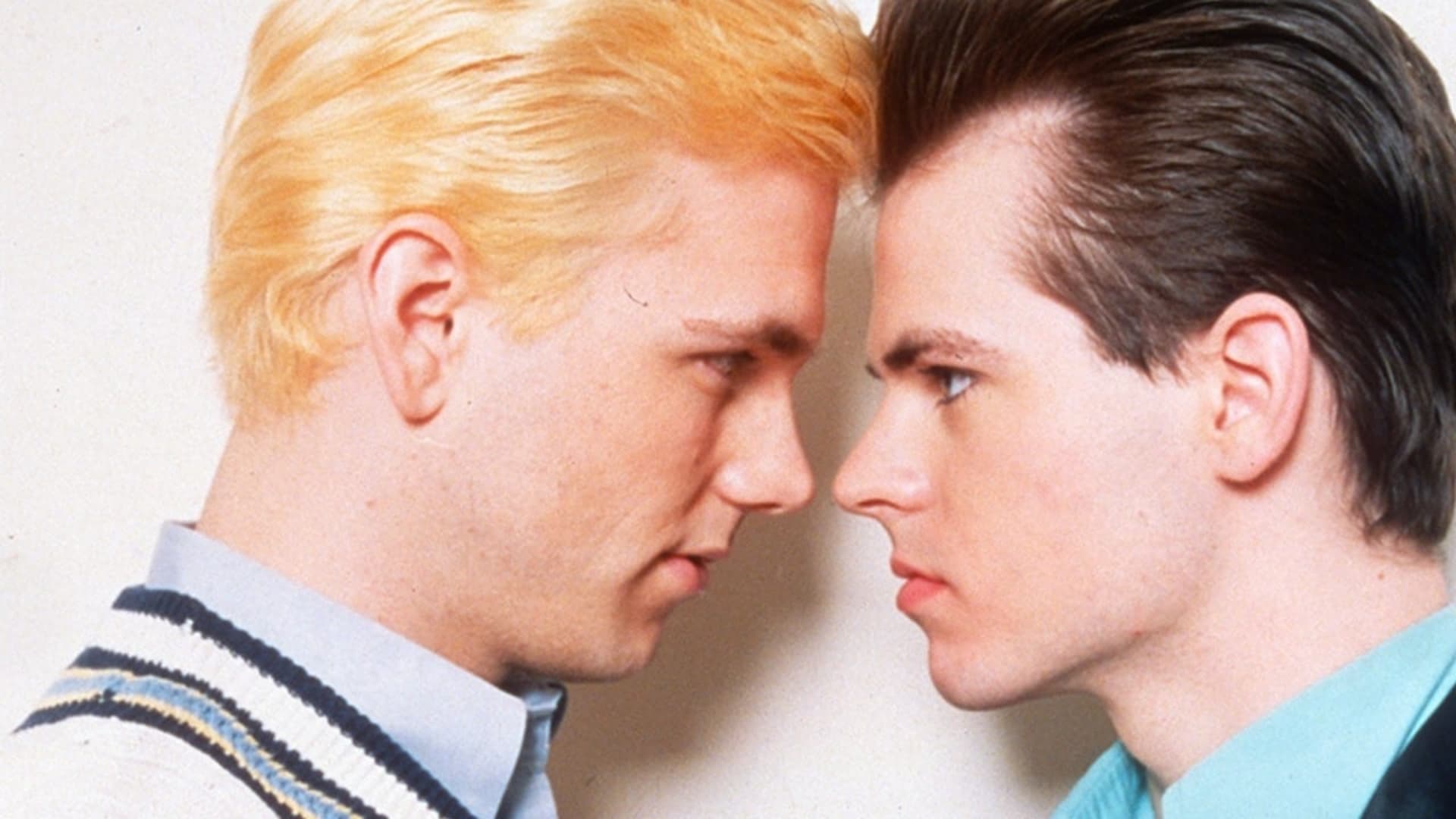
Edge of Seventeen – Slippery Grubber (with Thanks for Coming)


Hosted by
KT & Oti
Show Notes
Unclog your whipped cream nozzle and treat yourself to additional ribbage as we evaluate our cherry situation with the film, Edge of Seventeen. Quid Pro Mo brought to you by Thanks for Coming. Make sure you also check out Jamal’s Gays in the Life and Seth’s Treble Treble.
Referenced

KT's Picks
Referenced in this episode


Oti's Picks
Referenced in this episode

Episode Details
- Duration
- 0:00
- Released
- June 22, 2021
- Category
- Episode
- Hosts
Transcript
Transcript (14,300 words)
Full transcript of Edge of Seventeen – Slippery Grubber (with Thanks for Coming).
KT: Happy pride month, friends and lovers. It is a so exciting, angsty coming of age episode that we have. We love you, Seth, Jamal. Thank you so much for joining us. This week's Quid Pro Mo is brought to you by the Thanks for Coming podcast.
Clip: Take the promo away. Well, hello America and thanks for coming. My name's Seth. What's yours? Hey, it's Jamal. And Stoney.
Clip: Have you ever had Drag Race Withdraw? You know the symptoms. Not enough glitter, eyelashes not staying glued down, and that red itchy rash that just won't go away.
Clip: You should see a doctor for that. And the only prescription for your blues is more Thanks for Coming, the most magically gay podcast.
Clip: With at least 150 podcasts, seven seasons of Drag Race coverage under our belt, and topical queer discussions, there's a little bit for everyone here. That's right. We're even featured on Cosmopolitan's
Clip: list of top seven RuPaul's Drag Race podcast that spill the hottest tea. Join us every week as we bring you a fun recap of the latest episode of whatever season we're covering. It'll make you feel like you're back on the couch discussing the latest episode of Drag Race with all your friends. Stop by thanksforcomingpodcast.com for links to listen on your platform of choice, links to all of our social media and recent happenings.
Clip: Okay. What are you waiting for? Go check us out, honey. Thanks for Coming, a RuPaul's Drag Race podcast.
KT: Happy pride, friends and lovers. Welcome back to the For Your Reference podcast. Unclog your whipped cream nozzle and treat yourself to additional ribbage as we evaluate our cherry situation with the film Edge of Seventeen. You got your host, KT.
Oti: And Oti.
KT: And we couldn't do this film. We couldn't do Pride twenty twenty one without the most delicious friends and lovers. Would you like to introduce yourselves?
Jamal: Hey, it's Jamal from Thanks for Coming podcast.
Seth: And it's Seth from Thanks for Coming podcast.
KT: Thanks for coming in. Thanks for coming on. We really love and appreciate yours. Would you like to share a little bit about your podcast?
Jamal: Sure. So we are a RuPaul's Drag Race podcast. We started covering the show All Stars season three, and we're all best friends from college. Seth is best friends. My husband, Stoney, is not here. He's the podcast ghost. He shows up when we have to record and then he vanishes. So he could not be here, but we're all besties. And we really enjoy the show.
KT: Nice. And every good podcast,
KT: every quality podcast has a ghost and Oti is ours. Thanks so much for coming on to the podcast. You would have heard in the space time continuum, I did join them about a month ago to recap, voo cap Drag Race Down Under, and then I stopped fucking watching it for obvious reasons.
Jamal: Oh, man. It's been rough. It's been rough on the Down Under streets.
Seth: It sure has. I it made me laugh so much that KT was just like, you know what? I'm just not even watching this show anymore.
KT: We're in the towel, honey. Oh, yeah. Drag Race España is where it's at for me currently at the moment. Oh, yeah. Mhmm. Mhmm. Alright. Well, let's get into general stats and information in regards to this film. This film was released in June 1998 at the New York Lesbian Gay Bisexual and Transgender Film Festival. If you have been listening to our Pride Month specific episodes, you would have listened to Rafiki from last year that actually won the award in 2018. Oh. Very cute. Very nice.
KT: So the film premiered there as well as the Sundance Film Festival in January 1999, and getting a limited release in June 1999. We have director David Moreton, writers Todd Stephens, who I'm starting to learn has a whole great filmography that I'll need to add to the list, like an American Pie type one. Is
KT: it like Another Gay Movie? Is that what it's called?
Seth: Yeah.
KT: In my learned Wikipedia research.
KT: Correct.
Seth: Well and the fun part too is that in those movies, they do kind of parody a couple of the scenes from this movie.
KT: Mhmm. Oh, nice.
Seth: Yeah. There are some, like, crossover
Seth: and then there are some actors that show up in there as well, which is very cute.
KT: We love a reference or two if you're nasty.
Seth: Oh, yeah.
KT: The film had an estimated budget of 700,000 and a worldwide gross of $871 and $759,000 In regards to the cast, we have Chris Stafford, Tina Holmes, as well as Andersen Gabrych.
Seth: Oh yeah.
KT: Welcome,
KT: welcome friends and lovers. If you have just stepped off of the runway of Thanks for Coming podcast, we love and welcome you. If this is the first time you're listening to For Your Reference, just know we deal in spoilers, so spoiler, spoiler, spoiler, otherwise coming of age, awkward, Splooshies, Splooshies, Splooshies.
Jamal: A lot of those, all of those. All the Splooshies.
KT: Right. So we are going to get into first impressions. I'm very excited. Also, you guys are the first guests we've had for 2021.
Seth: Oh my gosh.
Jamal: I feel so honored. I know. That's high praise.
Seth: It's almost like we're breaking the guest cherry. Oh. Know the cherry situation?
KT: Oh, wow. Don't come for my reference crown, Seth, but I love you.
Seth: No worries. I got more of those, I'm sure.
KT: And with our guests, we love to have them come on with a film that they love. So first impressions, I'm very excited about today because we're going to get some information about the film, what it was like watching it the first time, how many times you watched it, and I guess how much it means to you if it does. Oh, Seth, do you wanna go first?
Seth: Yeah. I can go first. I saw this movie the first time, I don't know, and I would say within the last year. This is kind of a newer movie to me, and I watched it twice in preparation for this podcast. So I have watched it a grand total of three times for those of you doing the math out there. And the first time I watched the movie, I was, I think, more drunk. So it was really, like I I don't know. I feel like drinking helps for sure. But
Seth: but yeah. No. I I really remember the first time seeing it. I was just, like, wow. This is so, like, universally, like, the gay experience, I feel like, especially for people around our age that were growing up in the nineties. So I know the movie's set in the eighties, but I feel like there's still, like, you know, that's the eighties, nineties sort of thing is is very similar for for the gay experience. It thought it was a really great movie. I found myself relating a lot to our main character, our protagonist, and and
Seth: yeah. So that's kind of my experience with the movie. I really enjoyed it a lot.
Jamal: So we did a team vote when we were trying to decide what movie to come up with, and I actually had not seen this movie. And Okay. I am all about I'm the cheese ball of the group. If there's like any hint of romance or coming of age, tale, and broken heart somewhere, I'm probably gonna be on board for it. So we had to do this one. And I totally relate because, like Seth was saying, our experiences and the time frame as far as when the movie took place is very similar.
Jamal: And there are definitely plenty of secret crushes, people you couldn't have, people that maybe took advantage of your feelings a little bit. So I immediately connected to the movie that way and just really saw a lot of people that I know and have experienced throughout my journey from coming out to now across my personal timeline. So I really liked it.
KT: Nice. Oti?
Oti: First time watch.
KT: Oh, look at all of our cherry situations.
Oti: I've also already said you were going to watch Edge of Seventeen. I thought that you meant the Woody Harrelson one. Yes. There are two movies with the same title. Sure. But I really enjoyed it. I think I I found myself really emotional at points, and it's one of those movies that I think I'll definitely rewatch in the coming few months just so I can understand it at a deeper level and
Oti: just get some of the nuances maybe I missed. Because at the end of it, and I'm sure we'll get to it, I was feeling very confused.
KT: Yeah. That's a very choice word.
Jamal: Yeah. I have to agree with you.
KT: In regards to my first impressions of this film, I I guess I just wanna frame it. I've mentioned that when we covered It, I think it maybe was a year and a half ago now. And also when we covered Secret Society, which unfortunately I had to spoil, but I also don't like when trans characters are the plot twist. So anyway, I always get a bit I have my trepidations when I'm watching something that has queer or gay characters
KT: that are leads or side characters because I'm worried that they're going to get hurt and hurt unnecessarily. But Seth also recommended this film. So I felt like we were in loving good hands.
Seth: Boy, were you wrong?
KT: But I really enjoyed the I guess how personal the film felt. Like a lot of the time, you know, films can feel like journals. This felt like someone sharing and telling their story to me. And there are some things that just felt so natural without me having the frame of reference, just the way that Eric tried to navigate the world as well as himself. It just felt so real. Like,
KT: it didn't need to be told to us. It was shown to us. And I think there were a lot of moments that even though they were sad, it felt like it was coming from a place of realness.
Jamal: Absolutely.
Seth: It felt very authentic, the story. Definitely. It's like, you know, there's some things especially when you watch the movie now, there are definitely some parts that are problematic, of course. But I know that, like, currently, in in the current climate of the of the world that, you know, it's not a lot of the things are inappropriate but I think it's really important when you watch the movie to understand that this is, unfortunately, the the queer experience and, you know, it's like what KT was saying, it's real, it feels real and especially,
Seth: like, back in the early '90s or, like, in the '80s, actually, this movie takes place during the AIDS crisis but they don't even really acknowledge that at all in the movie except for just saying that, you know, to make sure you wear a condom.
Oti: Yeah. I caught that too. And there was a, like, a little AIDS banner
Oti: where they were walking when at the diner.
Seth: Oh, okay. I missed that. Nice pick up, Brody. Are you a film podcaster?
Oti: Kind of.
KT: Sorry. Oh, how dare you? I thought all cherries were created equally.
Seth: Yeah. He plays on he plays one on TV.
KT: So we're going to get into themes, which inevitably would also, you know, capsulate the characters. I would implore everyone to continue listening. We've already put the spoilers in there, but I would put a trigger warning in regards to rape and consent, because there are not a lot of instances, but there is a particular scene in this film that can make people uncomfortable, albeit reality and a part of learning, it's also very uncomfortable. So we just wanted to put that trigger warning there.
KT: In regards to the themes, there are a couple that I am interested in talking about and feel free to bring the film into it as well. But I just wanted to talk about the genre of coming of age love stories. I wrote coming of age love underscore stories before I watched the film. So I think I'm not sure how much of love is in this particular film, in a in a wholly fulfilling self and all encapsulating love. Yeah. But I wanted to talk about coming of age love stories and queer gay representation
KT: or lack thereof.
Seth: Yeah. Definitely. I think, you know, there's a there is I I think that you could still call this a love story. It's it's unrequited, but it's still there.
Jamal: It's kinda like the traumatic, the love you're not gonna get back experience. Like, when you're new on the rainbow road, taking your first steps, You don't know what the hell you're doing. You have an idea of what you think love might be, or you're just really excited about somebody, but you think that's love, and you get yourself in all these kind of sticky situations. So unrequited love is definitely definitely accurate because the rose colored glasses are definitely on, and they wear their sunglasses at night. Yeah. Definitely.
Seth: But in in the movies, though, I think they're with queer representation, I feel oftentimes that they're when there's queer representation, they're either at, like, the butt of the joke or if they're or if it is a love story, then there's usually, like, not a happy ending.
Jamal: Yeah. We don't really get to celebrate our love ever. And also, we're seeing the lens. This is just kind of like a white American cis male going through their experience. So of course, we can get into the nuances of seeing different types of queer experiences. But I think generally, the emotions and what the character is going through, it could be pretty broad and spread across the community for sure.
KT: Do you feel that it's important
KT: to have coming of age stories, especially at such a formative time? And I guess now in 2021, there is a lot more sort of representation that we see now. Do you feel that it is more important? I'm asking a fucking sixty minutes question. It's obviously very important, But I also want to hear you talk about it too. Journalism not as mine.
Jamal: I think it's important to see all of the experiences, as many as you can anyway, especially if you're a minority in the country or around the globe, really, because it's different everywhere. I always say it on our podcast, there's not one way to live the black experience, and there's not one way to live the queer experience. So the more examples we see, the easier it will be for people to casually educate themselves and just even open the door to learning about people who are different from them.
Jamal: I think it's I think it's huge and it matters.
Seth: Yeah. I think we're representation is just so important. I mean, to me, like, it's kinda crazy that there were, like, gay movies in the nineties. Like, granted, this was, like, not a major motion picture box office, you know, release or anything like that, but I think that this is definitely, like, the temperature of where being gay was what it or, you know, what it was like being gay at that time. So, yeah, I think it's really important. And, of course, you know, we're getting a lot more representation in movies nowadays. You know, there's Moonlight
Seth: Yes. Love, Simon, God's Own Country, Steven Universe.
Jamal: Yeah. Steven Universe. Looking on HBO.
Seth: We're Here.
Jamal: We're Here. Yeah. All the stuff. The work is never done.
Seth: No. It's never done. And it it's great that we're having more representation now because, you know, back, like, when this movie was released, there was not a lot of representation. So the experience that, you know, this main character, Eric, had is very much like kind of what you had to do to you just kinda go and figure out on your own, like, there's no real guidance, you know. They're not gonna teach you in school about, you know, gay sexual health or things like that. So it's all sort of like
Seth: it's all sort of like a what do you call it? Like a it's all just sort of like, you know, just trial and error, basically. I think that the movie, like, very accurately portrays what it was like to be gay back then. And it's like not always you're not always gonna have the light gold, you know, red bow wrapped experience back So I think that this movie does a really good job of portraying that.
KT: Mhmm. And I think that's a great segue into the next theme that I wanted to touch on. And I guess I'll bring up Dan Levy's Schitt's Creek. And we talked about it, I think in Happiest Season for our Christmas episode because it was a bit confusing to me at first because again, I was was like very worried that we were going to have unnecessary sort of pain because I know there's natural pain and struggle and I get that. But sometimes it feels like they introduce gay characters just to like hurt them. Right? But
KT: I'm glad that in Schitt's Creek, but it kind of, at first, was a bit confused why they didn't touch on that sort of pain. And then I'm like, oh, this is what it feels like to have a happy story. That's right.
Jamal: That's exactly right. You're always kind of expecting something to go wrong. Like, something is going to happen, and they're not going to last. They're not going to make it. Someone's going to get killed off. I was pleasantly surprised with Schitt's Creek with that storyline, as well. We're actually rewatching it, because Stoney has never seen it. So he's getting a kick out of Moira and David so far.
KT: It's absolutely a great show. Sex Education is one of our favorite shows. It's a Brittonian Netflix series. Gillian Anderson is in it, but they have some gay characters in there and they unfortunately aren't impervious to bringing a lot of pain to the gay characters as well. So it's like, it's that push and pull of where do you have that sense of realness and speaking from a world of truth And where are you just doing it unnecessarily? I spoke about Rafiki earlier. And that film, if you've listened to our episode, if you've watched the film, homosexuality
KT: is still illegal in Kenya. And the film that came out in 2018, the reason why it was banned aside from it being illegal, the reason why it was banned in Kenya was because Wanuri, the director refused to give a cautionary negative ending
KT: to the film. She wanted it to be hopeful.
Guests: Wow.
Oti: Yeah. Which is sad to think about. The the only way the Kenyan government would sort of accept this story to be aired is if it had some, like, cautionary tale of, oh, you can't be queer or anything like that because what? You know? It's ridiculous.
Oti: And it's really just good to show that, you know, when you're speaking about the sort of importance of telling the story because there's places in the world where it's it it could be, like, really, really hard. In Kenya, specifically, you you can imagine. My parents never talked to me about sex or anything like that. I had to learn about all that shit on my own. And you can imagine someone who's transversing this sort of boundary where you're like, oh, it's illegal Right. To add on top of that and sort of cultural mindset.
Oti: Yeah. So it's really good to sort of see all this coming out and everyone just enjoying and knowing that love is love. It doesn't fucking matter. That's right.
KT: I got a bit confused because I was trying to do research
KT: before watching the film and I had to stop because a lot of the reviews had spoilers in them. But one particular review said that they were happy that this film the film Edge of Seventeen had a happy ending. And I guess it did.
Seth: Sort of. Like, yeah.
KT: Albeit crawling through barbed wire. Like, we did kind of get to a hopeful ending, but that that kind of got me excited to watch the film. We were actually watching an MTV challenge. That we were trying to get to it. So I guess in regards to this particular theme, like, you know, film is a vessel for the human experience. And I'm glad that we get to see, you know, more varied stories, more voices, no longer being silenced, or at least being given, you know, more of a platform to share stories.
KT: So it is important and you want to feel that pain, but it's, you know, it's similar to, you know, a lot of TV shows and movies that focus on black trauma. But there is the balance of like pure black joy as well. So at least there's like a balance of that. So hopefully we can start to see more of a balance in regards to queer stories, more Schitt's Creek essentially.
Jamal: Yeah. And Insecure is a good example of what you were just talking about. It's just people living life that happen to be black. They talk about Oh, absolutely. Black issues, but it's not the the trauma is not the focus of the show, and it's just so joyful. I don't know how I find time to do the podcast and handle our Twitters if we're not a Issa Rae Stan account.
KT: Let's let's get into the film. I wanted to firstly focus on the, I guess, in quotes, coming out scene, I would kind of argue that this is a coming out movie because not just Eric within himself, but also the way that the world and especially his family treat him, it kind of became a coming out movie as opposed to a coming out scene because the way people were treating him or informing him how he should or shouldn't be. But I do wanna focus on the coming out scene in Edge of Seventeen.
Jamal: I have to agree with you. And I feel like it was like a coming out movie. Because where the film is very accurate, in my view, is when you're coming out, it's not like an exact science. Myself, for example, when I came out, I waited until I had left for college. So I emailed, like, my VIPs, my good friends, and then I called my immediate family and told them to spill the beans. So if I were
KT: Let the allies do the work, Jamal.
Jamal: That's right. I put them to work. It's like I can't stress
Jamal: for y'all. I got myself to worry about. But if you're still living at home, there's land mines everywhere, especially if you're coming up in a space that's religious or they're just gonna be you know they're gonna be against it. I didn't come out at a younger age because I knew I would probably have issues with people saying I didn't know what I was talking about. So the coming out scene, it felt real to me. It felt kind of like reliving
Jamal: that kind of rolling the dice feeling. You don't know how it's gonna go. That's a very real and scary feeling.
Seth: Yeah. Most definitely. I I thought that the coming out scene was pretty, like I think it was pretty realistic because, you know, I feel like a lot of times, like, especially in the more modern movies, it's like someone comes out and it's like, oh, yeah, like, I accept you right away sort of thing.
Seth: But it's nice to be able to see the other side of so it's, like, actually more of a realistic experience because the mom's, like, she's I don't think she doesn't I mean, of course, she loves her son. I think she's just kind of she's trying to come to terms. She's caught off guard, you know, in the eighties. This is a very, you know, time where people weren't as open about being gay and things like that.
Seth: So I think that the mom was just kind of, like, I don't well, she said it. She was like, I don't know how to handle this. And and so it's not she wasn't like, I don't love you. It's just like, it's gonna be a road of like,
Seth: you know, to her coming around, I think.
Jamal: And people are afraid of what they don't know. So it's default. By default, the defenses go up until
Jamal: either they have time to process or sadly, we hear so many stories of people just getting thrown out.
KT: It's interesting you say what, like, what she doesn't understand, but it's also what people will think. I think that had a lot to do with it. Because I think one of the earlier scenes when he was coming home late,
KT: she was like, where were you? What do you think people are going to think? And I think that's where Eric was like, what? That people will think I'm gay. And I think that was part of the moments that informed Eric, oh, so it's not okay potentially for me to say it right now. She's not ready to hear this. Oh yeah. Right?
Seth: Because I feel like too
Seth: yeah. Because I think that's another key thing too is what you hear when you're growing up. So, like you said in Eric's case, you know, the mom is, like, kind of informing him, you know, it's like not accepted to be gay. So so then he's, like, trying to, like, sort of fight it because he wants to be accepted because I think that's just kind of how we are as humans. Like, think humans just want to be accepted and loved and things like that. So I really think that, you know, it's
Seth: important to be growing up in a good household so that you don't have to hear things like that and I'm I'm trying to remember my childhood. I don't really think I remember hearing anything too negative towards, like, gay people or anything like that, but I think it's still scary to come out, like, even if you don't hear that kind of thing because it's, like, you never know how your, you know, family or whoever you're coming out to will react. And so I I yeah. It's a complicated situation.
KT: One of the right? One of the emotional, but I would say happy emotional moments in this film, and I guess it's because I can kind of relate in this way, was when the dad and I think there's there's something about fathers being vulnerable that hits on levels that no cinematographer or a writer or director could ever portray. But there is a moment later at night where the dad comes to Eric and he's really just being very vulnerable and saying, Hey, the business hasn't been going very well for the past couple of years.
KT: And it's one of those without saying I love you, he he talks about how we're going to work hard. Don't worry. Like, you will go to New York. And mom's also going and get a job as well for that. And it's like, if ever love is so multilayered and it's so complex. And unfortunately, in many cases, especially in this film, it is conditional because
KT: when we had that moment, like, Oti and I were both feeling very emotional because at least on that level, we did have that moment of resonance. But I was like, okay. So we can see and there's evidence that they really love Eric, but will they still love him when the eventual coming out comes out? Mhmm.
Seth: Mhmm. Right? Because then the mom, like, when she finds the matchsticks with the gay bar on it and then she she knows she's like she's like, I'm quitting my job. Like, you're not going to New York or whatever. So, I mean, it's like definitely conditional. It can be.
Jamal: It's always
Jamal: it always comes back to the ego, and it's something that I've had to tell my own dad. It's like, you know, this isn't about you. It never was. So get over the sooner you get over yourself, the sooner everything will be just fine. And that's what a lot of old school parents, it's hard for that to click right away. And they don't like talking about their feelings, so there's that part too. And just blindly
Jamal: accept and then follow and obey whatever they say.
KT: Oh, yeah. Yeah. I yeah. It was it was one of those moments and it's it's something that I will never understand. And we don't have children aside from our fur baby. Yeah, motherfuckers. If you get annoyed by saying fur babies, that's this sort of podcast. But yeah, so like we don't have children, but I will never understand in quotes, but genuine quotes, loving your child. But then the moment potentially it's not necessarily part of the heteronormal experience,
KT: then, okay, I don't love you. Like, how does that like, how do you untether that?
Jamal: It's very like, I give you life. I can take it away. Like, how dare you? I'm gonna quit my job so you can't go to New York. Okay. I'm just gonna, like, hop on the bus and become a sex worker. It's fine. Yeah. Like, the people are gonna live. And that's a a lot of the times that's missed in these moments.
Jamal: I mean, they're just reacting. They're humans too, I guess. But my eyebrow does
Seth: Right. Well, and and also too,
Seth: you know, growing up, being a part of the LGBTQIA community, I feel like it's very much, you know, family a lot of times, people are, like, tell you that your family's whoever you choose to be around you. So there is that aspect that could be interesting to kind of, like, bring into this conversation because it's also seen in the movie because, you know, he Eric is at the the job and his boss then is, you know, opens a gay club, which is where Eric is going
Seth: and The Fruit Nut. The Fruit and Nut. Yep. So so then this, you know, she becomes, like, sort of like a a mom to him because she's being, you know, very open and trying to give him, like, bring him into the queer experience. You know, she's like, here's my friends. This is a drag queen. You know, when he's when there's when there's issues, you know, with his, you know, guys that he's interested in, she's always there to listen and give him advice.
Jamal: Yeah. He fucked up with Jonathan though. Like, girl, please.
Seth: You don't what about Jonathan?
Jamal: I would have made sure that happened. I
Jamal: would have made sure that happened. He was, like, running out of the club because his friend was having drama. I'd be like, girl, that can wait till tomorrow. Because this piece over here in the all white, he's gotta get it. Jonathan was there at the end, though. He did come It happened in the end. Yeah. But in the moment, like, while we're talking about, like, handling one's trauma, like, also, like, in your coming out process, if you do have a little escape of happiness, you still find yourself somehow
Jamal: walking on eggshells for somebody else, especially if you're bringing someone else into your world. Mhmm. It's you want them to have a good time, but come on now, girl. Manage your feelings.
KT: Yeah. It was it was kind of a complicated experience between Mags and and Eric, though. Oh, yeah. It was. Can can we actually can we talk about I def I let's do it. Like, let's talk because I wanted to talk about them, but let's do it now because there's a lot to unpack and I have a lot to say in regards to Eric and Maggie. And I think it's also something that we see a lot in, you know, films and TV where I would say in most cases, is a gay male character
KT: and then a straight female character. And for whatever reason, fair enough, she doesn't realize or, you know, they're all on a journey and she's pining after him. And that's exactly what we're seeing with Maggie. One of the notes I have is well, I guess one of the one of the first sort of cute scenes that we see with Eric and Rod is when they go into the freezer and they're eating all the pies. Yeah. And then she comes in. So I made a note saying,
KT: not only is Maggie a cock block, but she also doesn't get it. She don't get it, she never gonna get it. And I because think it's also, it's also, in general, I don't like the feeling that people feel that someone, especially their friend, is obliged to them. Like, you're not obliged to their romantic feelings. And that was bothering me about Maggie, even though I do feel like she got, like, unnecessarily hurt later on. But I wanna start at, like, the start of their friendship
KT: where she she she I don't know. I just don't like it's kind of like when you feel well, when when when I have the presence of, like, a straight man and you can just feel his boner rubbing up against your backside. Like, you know what I mean? Like, I just didn't she was doing the same thing, but she was just a woman. And I just it bothered me.
Jamal: She was definitely managing their, like, reputation even when she let slip that they'd like did they actually hooked up? I was confused about that. No. They just made out, but she said they went all the way. And that was a very like locker room thing for her to do. Yeah. And that's what I okay. That's what I thought. So I remembered right. It was like, why are you out here just fibbing all over the place? Like, what are we getting out of this?
Jamal: You can get you understand the peer pressure of it all, but consent, maybe. I don't know.
Seth: Yeah. I mean, I also do feel kind of bad for Maggie though too because she gets kind of fucked over in this movie a lot. Because, I mean, to be fair, like, I feel like Eric was kind of the one that initiated, like, to take it from Friends to Beyond.
Seth: Yeah. He did. He did. Because he's like, oh, like, kiss me and, like, I mean, I don't know if I mean, I don't I don't know. I mean, I guess I don't know their friendship but, like, I don't I guess in one sense, you could say, oh, well, she's kind of, like, you know, taking this really, like, seriously for just a kiss.
Seth: But at the same time, like, you know, she's like, oh, like, Eric really likes me. Like, I like him. So this is like starting our relationship or whatever. She definitely wanted to be like one of the cool kids too though. Like, she didn't wanna be the only one that was not
Jamal: doing the horizontal dance.
KT: I guess speaking on behalf of straight females, like you kinda need to own your sexuality. And in that case, like if you haven't done the deed, then you haven't done it, but also sexuality
KT: starts before someone else. So why don't you flick your own bean and mind your business?
Oti: But do you remember when you're in high school? Like, there's something near as well. Like, Maggie and Gruenset was sort of jacked around in this movie alone.
KT: Jacked around. That's a very traced phrase.
Oti: And it's sort of I feel sorry for Maggie at the end. At the end, yes. But I'm talking about the start. Yeah. She did. Eric led her or led her on, I think. You remember your first kiss? Like, it's I
Oti: remember that and I thought, oh, me. We're we're in a we're gonna be a couple. We are essentially married now.
KT: But okay. So so like The men's No. Because like like so Oti, we talk a lot about Oti having black tax. So like even if something isn't good, he'll say it's good or he'll give it some graces. I feel like I have queer tax because
KT: I I feel like Eric was at and we're we're also talking about moments where Eric is talking to his mom and his mom's not accepting him. So he's trying to play a role that he thinks he has to. But I also don't like that it in it included Maggie who's a real person that has real feelings.
KT: But I kind of just let the kiss go because I'm like, he's trying to be what he knows he isn't, but what the world wants him to be. And not just the world, like the people that should be on his side, like his mother essentially. And it's I would say that's credit to the writing because it wasn't like he just randomly kissed her. There was that constant push pull of him knowing who he was, but also trying to traverse
KT: what the world wanted or his mom specifically in that example wanted him to be. So I'm not saying it was right for him to do that initially. I disagree with everything else that he did in regards to Maggie Blade. But I'm saying, let's give some queer tax, like, just at the start because he was trying to figure it out as well. We covered Michaela Coel's BAFTA winning, I May Destroy You, not long ago, right? And we have Kwame's character And I don't wanna spoil it, but essentially Kwame goes through a very traumatic,
KT: very sad, very it's a very sad heartbreaking show, but so it fits the branding. But he goes through a very sad moment. And there is a similar sort of situation in this film that I wanna come to as well, which kind of weaves into Eric and Maggie's sort of relationship. But with Kwame and I May Destroy You, he knew who he was, but he also wanted to feel safe because there was a moment of losing control completely.
KT: And
KT: he felt like he needed to have, you know, that sort of safety. So I'm not necessarily saying what Eric or what Kwame did is necessarily right, but he wanted to feel safe. He wanted to have that control. He wanted to own that again. So I guess just coming back to the film with Eric and Maggie, he felt that he wanted to be safe, but Oti and I did have a problem, and we're gonna come, like, further to the end in regards to Eric and Maggie,
KT: was when so kissing is is one thing. Oti, don't listen. Oti kissing is still cheating. Kissing is one thing. But I I I say that cheating is very normal, but don't listen, But but then they actually had sex. Yeah. And that was many steps. And and we also haven't talked about, you know, the club scene, but I just wanna focus on them having sex. And Oti actually had to remind me that she was a virgin. So her virginity was taken Right. Yeah. At that moment. So it wasn't just sex, but also,
KT: like, I get that Eric was going through a lot, but also the time in which he chose to tell her, hey, maybe I wasn't really feeling it.
Jamal: Like post coital
KT: yeah. Like, you're never more vulnerable after sex. Like, that's the most vulnerable you could ever be. And it's I don't know because we're we're we're navigating vulnerabilities on on on on Eric's side as well as Maggie. And I think at that moment, Eric decided he was more important than her in that situation, even though we said that he initiated the kissing as well as having sex. Yeah. But also Maggie manifested that.
Seth: She did. She said that she that he took her virginity, that they had had sex, so Oh, no. She took that. That's the only thing I'll say about that. Shoot. I Oh, yeah.
Seth: But yeah. No. Like, that's that's why I felt bad, especially because it's, like, the way I kind of, like, took the relationship was more towards the beginning that Eric was trying to figure it out, like, am I into women? Am I into men? Like, what's going on here? Because, like, he says when he comes out to her, he's like, don't know what the fuck I am. Mhmm. So so, you know, I to me, that's why I think that Maggie got fucked over because I think that Maggie,
Seth: you know, like, she's kind of like the innocent bystander. She's like, oh, this guy likes me and I like him. But if on on Eric's side, it's more like him exploring and trying to figure out Right.
Jamal: And you should not bring anyone into your own bullshit. Like, it's definitely not fair and she did get fucked over that way. Absolutely.
KT: Yeah. Yeah. I think also at the same time, like, whether knowingly or not, she started to genuinely fall for him. So as fun and as cute as it was, you know, coming to the scene where Eric tells her to come to the bar and then they'll meet, she's like, oh, I'll meet you there. And I think we all realized what was going to happen. She but it's she's really cute. Like, I loved how much effort she put into, like, the first party
KT: that they were at. And then, like, when she was coming to the bar, you could see that she put, like, a lot of effort in Oh, yeah. Which is really cute. And it like even then, like, it's a very vulnerable moment because she's putting herself out there and she's doing it for Eric. She probably would have felt less vulnerable if she left that necklace at home. Because she would have got the pearl necklace there or Oh, yeah.
Seth: Yeah. Yes. Eric got his pearl necklace that night too.
Jamal: Twinsies.
Seth: Oh my god. Matching.
KT: But I I I there there was a lot to I guess there was a lot to untether in regards to Maggie. But you could genuinely see well, I guess even like the first time when he's like, I don't even know what the fuck I am. I like boys. But when she was seeing, you know, Eric kissing a guy, it it wasn't necessarily the fact that he was kissing a guy, in my opinion. It was the fact that she grew to love him and she's seeing him be with someone.
Jamal: I kid you not. This happened
Jamal: this happened to me in high school. I had no idea. One of my good friends had a pretty decent sized crush on me. Like, we would go to her house, and she would, like, cook me breakfast for lunch. And I just was clueless. She did not care about band, but she wanted trumpet lessons for me. And then Oh, my. I come out, like, three weeks into college, and it's like her senior year in high school, and everyone's like, Damn, Jamal's gay. How do you feel?
Seth: Tea has been spilled.
Jamal: We still talk to this day, but that
Jamal: that's that took me back when I think about their relationship, Eric and Mags.
KT: Well, I'm glad I'm glad it's gotten to a point where you can, like, joke joke about it now. Oh, yeah. She's not sitting there unrequited after all these years still. Yeah. She's not dealing with their ignorant bro friends
Jamal: teasing her in the hallway.
KT: Speaking about ignorant bros, what about that party? What about the, like, that house party where Eric was like, you could tell it was not Eric's scene at all. Like, they couldn't have, like, set that party scene up any better to make it clear that he did he was not to be there. Oh, yeah. He was not it was not going down. First, the music was bad.
Seth: And then the booze or the vitamins kick in and the the real emotions bubble over and they were not here for the fairy dance. No. Because he you know, thinks he found the other the other gay at the party and then he ends up being, like, completely embarrassed when in he I mean, maybe this person is gay and just isn't out, like, or whatever, like, kinda like how Eric is. But, yeah. It's like there's like so many traumatic things like that, you know, being gay and it's like
Seth: yeah. I mean, it's like you have to take a risk, I guess. And it doesn't always pay out.
Jamal: Yeah. That's totally the symbolism here because that's just everyday life, whether it's walking into the office and
Jamal: someone clocking you or having something ignorant to think or say, like, this moment happens daily.
KT: Yeah. Because as he started to dance, I was really enjoying it. And then I was realizing what might, like, start to unfold. Yep. And I was, like, shouting at the screen. I'm like, don't be mean. Let him dance. I know.
Seth: That scene's also uncomfortable to watch.
KT: It is. It's yeah. There there's there's a lot in this in this film and I think well, would you guys say that there were any, like, happy or maybe just, like, moments of levity? Because I know Seth, when we were, like, DMing about this and I talked about the fact that someone said it was a happy ending. I think you said something to the effect of it's just a depressing movie and when it's not sad and depressing, that's where the happiness might be.
Jamal: I'd have to, you know, there's not many, but what I will connect with is kind of just the fleeting moments and the early early parts of meeting a new guy or in the film, early parts of the hookup with Rod, like, before he turned out to be an asshole, like, that scene specifically where they were kind of undressing each other slowly and just exploring each other. That's huge when you're a queer person and you found somebody to kind of
Jamal: have that moment with. So I kind of felt the excitement for the character in that moment because it's like, oh, I can't believe this is happening. You know, all that that cheesy shit that you're not supposed to think and say out loud.
KT: Yeah. Can we talk about the sex scenes? Because they were
Seth: they were beautiful. I love that Not all of them.
KT: Well, yeah. Minus the bad one. Yeah. Well, well, I guess from from Jamal's example where he's having his first sort of experience, we haven't even talked about Rod, which is interesting. We have to talk about how Rod fucks over
Seth: fucks over Eric. So Eric's not like just this, you know, evil person for screwing over Maggie. Like, it's kind of like the circle of screwing each other. Yeah. Of getting screwed over.
Jamal: That's true. You take on your abuser's habits.
KT: I wanted to talk about the sex scene, but then it got sad.
Jamal: Oh, let's talk about sex We can talk about Rod's fuzzy peach. I love a fuzzy peach.
Seth: Yeah. This is definitely before
KT: this is like back when everyone was not like shaved. I'm here for it. I appreciate I appreciated it. And I I guess just from the sense of, you know, contributing to the tapestry of queer cinema, as well as just cinema in general, it was nice and it was beautiful to see this scene. Like I loved seeing this scene. American Gods has my favorite
KT: guy on guy scene. But this was also very nice as well.
Jamal: I still need to watch American Gods. I hear good things.
KT: Good things and then it tapers off because they fuck around Orlando Jones and we're not about that. Just watch the first season.
Jamal: Got it. I trust y'all.
KT: But I I think, like, we we talk about representation, and I I like that we have movies that that go there, and it was filmed in a very
KT: intimate way. You know, it's so easy to bring a lady on the screen and like shove her tits in the lens, but it was nice to have And it didn't feel gratuitous and, you know, it felt very lived in. It felt like there was a lot of embracing and a lot of love in there. Obviously, before we get to the more problematic sort of sex scenes, it was nice to live in that moment for a little while. Yes. I feel the same. Yeah.
Seth: Also too, like, I think in a lot of, like, the gay movies, they don't often show the sex, but it's just usually implied. So I like that it was actually shown not in a, you know, pornographic or or more graphic way, but it was just, you know Mhmm. Two people having sex. Yeah. And it was beautiful, and it was allowed to be beautiful. Yes. Give it give it all to me. Yeah.
KT: But I didn't like that Rod would be like, hey, little boy. That upset me.
Jamal: That was creepy.
KT: But even even the mom would say, hey, little man. And I'm like, is this a little thing? Like
Jamal: It doesn't seem that little. I don't get it. Yeah.
KT: Like, I I didn't understand. Yeah. Because when he kept saying, hey, little boy, and I'm like, okay. That's that's a bit I don't like it. He might have little bit lollipop in his hands.
Seth: Yeah. Or in his pants. Ew.
Jamal: I'm sure he did down there.
KT: I wanna talk about Rod. I wanna, unfortunately, talk yeah. I hate Rod. But I because it's like, even though it's not really a relationship, but like interactions, sexual interactions, like, they can be for the moment. You know? And I'm not talking about later on in the film, but like, you know, you you come across people, you stumble into other genitals, and you get to know yourself. You get to know other people. And I like, I loved seeing Eric see Rod unapologetically be himself. I I think there was some strength
KT: in that. And I think Eric like, he he wanted to to feel that sense of being in his own skin. So even though he wasn't forever, I do feel like Rod, especially at the start was for a moment.
Jamal: I'd agree. I feel like in the beginning, it was, like, authentic and playful. You can tell that there is a curiosity there, especially another thing in the gay world, whether it's malicious or not. There's kind of well, I say malicious or not because there's always that curiosity and getting the there's the hunt, is what I'm trying to say. Like, getting to know the other guy. What
Jamal: the person's intentions are, you're not gonna know, of course, right away. But for Rod in the beginning, I feel like there was a lot of that. Who is this new kid? Oh, they're not out. There's this rumor going around that he's smashing with the ladies, but you you have a sixth and seventh sense as a gay person. So I like seeing that in the beginning with Rod before he went sour.
Seth: See, I have a completely different view of Rod. Oh. Rod is a dick. He just said what he thought that Eric wanted to hear so he could get in his pants, like, because he was already had a boyfriend. He was, like, oh, we, like, sort of broke up or whatever. But they hadn't broke up. They were dating and then he cheated on his boyfriend with Eric and I feel like when I was first, you know, exploring everything
Seth: that I was like, Eric, and I was like, oh, we, like, slept together, you must really have feelings for me and that is not the case and guys are evil And I hate Rod.
Jamal: Do you think the pie scene was real?
KT: I don't know, girl. Even if it was just the thrill of the chase, do you feel that part was real? Or that I doesn't count as
Seth: mean, I guess that could be considered as real but also, you know, he's, like, very clearly Rod is very clearly trying to pull in Eric. So I think, in my opinion, I think Rod is just seeing someone he wants to be with and is doing what I mean, I'm not saying he's, like, completely this evil person. Like, I'm sure he was, like, oh, like, this guy is, like, fun or whatever. Like, you know, Eric's a fun guy. But
Seth: but, yeah, I think it was all I think he was just, like, had one thing on his mind. He think Eric was his conquest. Yeah. Especially too because it was just so, like, to me, it felt so dirty because Rod was, like, oh my gosh, you would make such a great boyfriend. And then, like, they hook up and then he's like, bye.
KT: Oh, yeah. Yeah. Actually, when when he said that when he said that during the scene, I'm like, that's a very commitment sort of thing to say. Like, he didn't say, oh, you're so hot. Like, was he was talking about the potential of having a relationship. So it did kind of add to the fantasy and I guess also the excitement that Eric had that it was going to be something. Because that's what Eric wanted from guys, but that he couldn't get that from guys.
Jamal: I see it.
Seth: Because then also too, like, I don't know if you're ready to talk about the uncomfortable scene, but, like, even then, he was like Rod's always like, oh, I always liked you. And it's like, no, you just wanna have sex. And he was drunk too. Yeah. Both of them were drunk. So,
Jamal: you know, course. That fresh out of the closet too because you just you're not taught how to handle these scenarios, and you don't really come into your gay superpowers until much later in the experience.
KT: Yeah. Well well, you're right, Seth. Let's let's talk about it because there's there's so much that is leading up to this scene. But even within the scene in in and of itself, Eric, at the core of this film, just wants to be loved and love himself. Mhmm. Yeah. Like, that's that's what we're trying to work towards. That's what the goal is. And, oh, there there were moments where I'm like, don't because I think he was going to look for Jonathan. Yeah. And then he very cutely came by and was cheekily like, oh,
KT: Rod. Rod's the name I'm looking for. And I'm like, oh, don't do it. Don't do it. Don't do it. But then it's a very human emotion to to have, I guess, closure, if that's what you wanna call it, or you just wanted to feel good and you just wanted to feel in that moment, it was a lot, right? And as much as I was getting
KT: I was I was getting like, really tense and I'm like, oh, don't go there. Don't go there. He was going to go there. And he did. But I think Eric was sort of feeling lost. So he just wanted to like
Jamal: he wanted to be around someone that would give him affection. And it was a sense of familiarity there already. So that trap of the comfort.
Seth: Yeah. Because because Rod definitely manipulated Yes. Eric both times, I think. In my opinion, I think because he's like telling, oh, like, you'd be a great boyfriend. Oh, I always liked you so much. And and so Eric thinks he's gonna get the experience that he wants and and he did not get a great experience for his first time either, just like Maggie.
KT: Oh. Cute. Nice. Nice tie in. So
Seth: I do what I can.
KT: Every everyone is but yeah. Because I think even when when we're talking about the actual, like, I would call it rape. When we're getting into that scene, you know, it's not zooming in, but it is quite close and you can see visibly that Eric wasn't okay with this. And even leading up to that, he was like, I'm not sure. I'm not sure, which, you know
Seth: That's not a yes.
KT: Right. Yeah. A yes is a yes. Everything else is not a yes. And, you know, even even when Rod was like, I wanna fuck you. Can I fuck you? And they were getting into that moment. You you could you could just tell. Like, you could tell he wasn't wasn't he was still wanting to be loved and accepted, and he didn't wanna leave that particular space. Right. But he also didn't wanna be fucked either. So what do you do? One step at a time. But, yeah, what are you supposed to do in this moment? Yeah.
Seth: Only he Oh, thought I was just gonna say, because you can even see, like, in the scene too, Eric, like, definitely checks out. Yeah. Mhmm. Yeah. And it it wasn't one of those, like, I don't usually do this. Yeah.
KT: Right? Not at all. And I I think zooming into, like, his face, you could see he was really uncomfortable and he was just waiting for it
KT: to be over. And I don't know. I guess also at the same time, it's it's it's there so people know and hopefully it can help, you know, those sort of behaviors that feel very casual, but they are very serious in nature as well.
Seth: Yeah. Yeah. I feel like this probably happens a lot in the LGBT community. Like, I'm not saying it's right by any means, but I'm just saying I feel like a lot of people's
Seth: first times may be similar to this.
Jamal: I'd agree. We were all
Jamal: new spring. We're all fresh meat on the on the queer market at some point. And the creeps that try to find their way to you, it's a journey. Definitely.
Seth: Because, like, also too, like, I guess, just to relate this to the movie, like, you know, I feel like the reason why I relate so much to Eric is because, like, I sort of had, like, a similar experience where, you know, I met a guy that I liked and, you know, we went on a date, he was going to sleep over, and then, you know, I lost my virginity. And
Seth: so then after that, like, he lived like an hour away from me, so I was driving him home and he was like, oh, like, do you wanna be my boyfriend? I'm like, oh my gosh, like, this is what I've always wanted. It's all happening. Like, we had sex and and now he likes me. And and so and so then, like, literally, like, I think it was, like, the within the next couple days, like, I always text, I would call kinda like what Eric was doing and I would not get responses and things like that.
Seth: And so, like, I, you know, I feel sort of like the similar experience where it was like, oh, like, I thought you liked me though, like, and I thought all these feelings were there and and then you're just sort of like brushed to the side like how Eric was as well. Sheesh. I'm so sorry. Yeah. That's odd. So It's like, you know, it's it's not these experiences that like you see in the movie. I'm not saying it's like these are good situations, but it's just so realistic to the LGBTQIA experience.
KT: Mhmm. And there was also another scene where I don't remember the fellow's name.
Seth: I don't think he had one.
KT: The poppers. The yeah. The popper fella. Yeah. Cause that he looked considerably older because we're in the realm of like coming of age. So Eric's in high school. And I think even like he was joking to Jonathan later about being jail bait, but with the popper guy, like, that felt very like, I was like, oh, he seems like a bit old. Is he, like, going to try and take advantage of Eric? And then we see, you know, all of his newly formed family
KT: watching. So I'm like, okay. So maybe he is in a safe place if they're just watching
KT: because surely if he was in danger, they would stop him personally.
Oti: I had the same thought. I was like, where's Angie? Angie, step in. Because they all made a face when they walked out of the bar. Yeah. It's like, if you make that face, shouldn't you do something? Right.
Jamal: Or is it just more of, oh, it's your journey, Eric? I was looking for someone to snatch him up, but I had that same feeling. Just like they adopted him as like the the little bird in the nest. So they're definitely like watching out for him. But who knows? You know, they'll probably like just let him go and see what happens. But I'm sure they were keeping an eye on him. But why did Karen have poppers?
Seth: Like, this doesn't seem like a in character for the for Karen. Maybe she heard the word on the street. You guys, I heard about this new thing called poppers. Have you heard about it?
KT: I heard Karen's move in mysterious ways.
Seth: That's true. But but yeah. So it's like I mean, then, like and again, like, in this, like, situation, Eric is again manipulated because, you know, he's given these poppers which, like they said in the movie, it makes you horny. So really, Eric's just can gets fucked over, I guess, just as much as Maggie does.
Jamal: Yeah. Because all he knows is he's having a new experience and he's having fun, so he doesn't see it for what it is.
KT: And to to go through so much, like,
KT: hiding and having to pretend with your family and then getting accepted into your new family, but you're still getting fucked over, it's it's fucking sad. Mhmm. Definitely.
Seth: It is yeah. It's a bummer and and also, you know, I think one of the themes throughout this movie is music and things like that. So I feel like that Eric should have known that Rod was gonna be bad for him because he liked Madonna and and Rod was more into, like, new wave. Or Eric was more into new wave. Like a Prayer, bitch. Yeah. He needed several prayers.
KT: You were talking about the music in the film and I wanna come to that. From what I could see, I don't know if it was like loosely or in any way based on Stevie Nicks' song, Edge of Seventeen. It was interesting that this wasn't in the soundtrack, but maybe it's like a money thing. But even the the Mickey I think the Mickey song and them singing in the car, getting ready to go to work. Like, the the music did well to frame
KT: the film. And I I thought I heard you say, Seth, that you have a podcast called Treble Treble that covers music. I thought I heard you say that.
Seth: Well, it's technically there. Well, they they exist. It is. The the episodes are out. Yes. Yes. I don't know if it will continue,
Seth: but there is one season of Treble Treble podcast. And it's about it's like an album each episode and you kind I kind of talk about the, like, history behind the album, but then also interpret interpret it through a queer lens as well. Yeah. That's fun. But but yeah. Also too, like, another interesting part of the music in this movie is, you know, when Eric goes to pick up the record and you can see, like, the little the little pink triangle on there on, like, the back of the album cover
Seth: because I I think wasn't, the pink triangle, isn't that, like, what was used to, like, designate someone as a homosexual, like, back in the day? Oh. I don't remember, like, in the concentration camps, maybe.
KT: I do remember that in
KT: Jojo Rabbit, which is a film that we don't care for, but it was a fun shouty recording of an episode. But, yeah, there were pink triangles on Sam Rockwell as well as Alfie Allen, Lily Allen's brother. But they had pink triangles on their uniforms. Yeah.
Seth: So I'm pretty sure so you see that and you're like, oh, like and he's, like, trying to be so discreet about getting it. But I thought it was interesting they included this album, which is by Bronski Beat in the movie because,
Seth: you know, this was, you know, definitely, like, a big band back in the in the eighties and actually all the members of the band are gay. So I think that's probably also why he was trying to, like, not advertise what he was getting. But I think it's important that they use that, you know, queer music in the in the movie.
KT: Is that the is that the record he was hiding when the mom came in? Because he was hiding something and I I didn't quite pick up what he was hiding. Is that what he was doing?
Seth: So when, like, the mom just comes in and she's like, oh, like, I don't want her to see, like, this because then she'll know I'm gay. I didn't know what he was hiding. I missed that too. Yeah. She was trying to keep the or he was trying to keep the record so that she didn't see. That's why he was like, you know, you know, one of those experiences when you're young and you're like, oh, they're gonna know I'm gay if I listen to this or watch a show or whatever.
Seth: And so that's kinda what he was doing. He was like, oh, what? Knock when you come in or whatever. He says he wanted to be able to hide it from his parents.
Jamal: I turned 18 in high school pretty early. My birthday's in November. So I definitely had a couple of magazines that I had tucked away in special places.
KT: I thought it was a magazine too, but I was like, I don't remember seeing the magazine. I just assumed it was.
Seth: Yeah. I think he was just sorta trying to be discreet because, you know, we saw how the mom reacted.
KT: Yeah. I I wanna talk I wanna talk about because we've talked to we're talking a little bit about the music. I wanna talk about the looks. I wanna talk about the aesthetics. I wanna talk about the fashion. I think it's also part of me because I'm a bit confused in regards to the looks. Because to me, edgy eighties looks like normal nineties to me. So I got confused
KT: because I remember the first time he got a haircut and I feel like that was supposed to be a very pivotal moment that he's showing, you know, he's living more in his skin. But to me that just looked like a normal haircut.
Oti: Thought he was going for the David Bowie look. I did too.
KT: That's me, I'm so used to looking at those looks. I guess I don't have a refined eye in regards to like fashion and hairstyles. Because those when he like dyed his hair blonde, they kinda looked like he had his mom's hair. So I wasn't entirely sure. Because I know he was it was supposed to be like an edgy moment, but to me, it just looked like normal nineties, like, looks.
Jamal: It did. He was giving you lots of good tops,
Jamal: jackets. The the hairstyling specifically was very like eighties pop Ken doll. And it it fit the aesthetic well, even with the dye job because people are definitely experimenting with all kinds of bright colors outside of what they're wearing in and outside of the clubs and on the runways, and very experimental and loud was the looks. Right.
Seth: And also too,
Seth: I think, you know, people say, oh, it's like, you know, he's looking new wave and Bowie ish, but I think, you know, he loves the Eurythmics. He loves Annie Lennox. Yes. And so, like, she has her hair cut pretty short as well. So I think that you could also make the connection that he was sort of, like, trying to have his hair similar to hers because also too,
Seth: you know, I'm pretty sure that Annie Lennox would also wear, like, you know, wouldn't always be, like, in dresses and things like that. She would wear Exactly. Pants and dress more math you know, stereotypical masculine. Yes. So I think he's really, like, following the lead of Annie Lennox, to be honest. And especially, like, in his big, you know, night out where he has his, like, eyes done, like, that's a very Annie Lennox look. Mhmm.
KT: I have to agree. I second that. There was a lot of, you know, throwing around references,
KT: even, like, Freddie Mercury, I think Angie uses at one point as well. Like, there's a lot of influences
KT: that just fit so cohesively into this film.
Seth: Yeah. I definitely I think my favorite shirt though was the one where he gets into the fight with his mom and just runs away without his shoes on. I really love that top, that t shirt, and I really want it a lot.
Seth: Because it's like very much like a punk look.
KT: The white one with the squares on it?
Seth: Yeah. I like it.
KT: I liked I liked his outfit that I think is on the theatrical
KT: poster with the blue, like, the blue ruffled top.
Seth: Oh, yeah. I did enjoy that. I liked I liked that one. I enjoyed that look as well. That was like his first night out look where he goes to the party he gets rejected at and then goes to the gay bar the first time. I'm a fan of anything that's dark and flowy too with a hat. It's very, like, witch vibes. It's cool. Yeah. I just really like the eyeliner too because I don't know. I I like the more
Seth: androgynous look a lot on other people that I'm interested in. So for me, that was Take notes. Yeah. For me, that was very much, like, the type of person that I would be attracted to. Not the you know, someone a little bit more older and more wiser, of course, but but yeah. Like, I don't know. I I really like that look a lot, and I think that he was definitely serving fashion fashion looks because, you know, we saw lots of different different looks. Oh, yeah. Oh, yeah.
KT: I enjoyed the pacing. I enjoyed
KT: because there are even even when you talk about the eyeliner, there was that scene where he's asking Maggie if like, you know, put it on me. Like, I like the way that these moments of, you know, not just coming into his own, but just embracing fashion and androgyny in general. Like, it slowly
KT: weaved its way into the film as well.
Jamal: Yeah. And I definitely feel like oh, go ahead.
Seth: I was just gonna say, I feel like that was kind of like the popular thing at the time or, like, maybe just like the start of, like, the rise of, like, the new wave look sort of thing with the eyeliner on guys and stuff like that. Mhmm.
Jamal: And it's also
Jamal: it's kind of like his safe haven too because he can kind of hide behind that while he's discovering his true self, like, hide behind the fashions at the time because we all know if you're a queer kid, it's easy enough to be spotted. So if you're just going along with fashion, it's it's a nice creative cloak.
KT: Oh, I love that. That that needs to be some merch, Jamal, for Thanks for Coming.
Jamal: I hid pretty well when I was experimenting with my fashion, so I get it.
Seth: Yeah. So, like, I was definitely, like, wearing eyeliner and stuff. Like, in college is really where, like, I Mhmm. Started to explore myself and, like, I would dye my hair different colors and, you know, wear eyeliner and things like that.
Jamal: My clothes just got tighter and tighter, shorter. Yeah.
Seth: Oh, no. Yeah. I I mean, I remember, like, my favorite because, like, this was, like, also when I was really into David Bowie in college, like, I had this really great, like, blue glitter eyeliner that I like to wear and yeah.
Seth: So that was that was fun.
KT: Did you get into fashion Macho Tea?
Oti: No. What's that?
KT: You're just rocking your boofoo?
Jamal: It sounds like me in sports. What is that? What is a sport?
KT: What's a goal? What's a net? Is there anything else that you guys wanted to cover in regards to the film or just in general that we didn't get to cover or not in enough detail? Well, I guess maybe just to kind of wrap up the discussion, we should maybe talk about the quote unquote happy ending.
Seth: Yeah. Like, I think that in a way it is hopeful because Eric is truly himself and he realizes, like, I am gay. He comes out to his mom and then he goes back to, like, you know, his chosen family at the Fruit and Nut And, you know, you really you know, because then you see how accepted he is back into that scene, like, especially with Angie when she's like, oh, this is dedicated to my very good friend, Eric. Yeah.
Jamal: I guess it has like a nice everything is gonna be alright feel, which it's nice to leave on a a hopeful note even though there's a lot of nonsense and very real shit that happened. It has this this is life vibe. It's going to be fine. Keep going. I don't really know how to explain it outside of that because of the way it ended. You just assume that this kid is gonna be okay because he's got his chosen family, and he's had some lessons. So
Jamal: obviously, he's gonna do better. Right?
KT: One can hope. What did you think about the ending, Oti? And do you think it was happy?
Oti: It was happy in the fact that he found himself and he was comfortable with himself.
KT: I think it was a happy ending, but it doesn't lose its sense of realism. And it's also to know that the page will turn life will continue. It's not like that classic Cinderella story where she's with that motherfucker and they're riding off into the sunset with a pumpkin. And it's like, what happens after that, ma'am? Your pumpkin rots and so does your pussy. Yeah. America's so lonely in the end. Yeah. But I liked the ending in this film because things were going to continue to happen after this film. And unfortunately,
KT: even though there were a lot of sad moments in this film, that he was going to have the support network and the resources and, you know, that sense of self to hopefully be able to get through with that because life is going to be hard and and, you know, it will continue to be hard for Eric through his life. And that is very sad,
KT: but also it's very real as well.
Oti: Yeah. But we live in moments. And in that moment, he was happy. You know? Yeah. Angie and the friends. So that's as much as we can take in life. He also gets Jonathan too Oh, yeah. At the very end. Back.
Seth: Yes. So so the hookup is to be continued, Jamal. There's still hope there. So there's the hope that yeah. Because he likes Annie Lennox, not Madonna, like that douche Rod.
KT: I don't know. I I've got the time, but I don't understand the nuance between the Madonna thing. Is that is that a known
Seth: That just have to explain that. Madonna's just so pop. Yeah. Oh, she's too mainstream.
KT: Is that all I'm
Seth: She's, like, popular and mainstream whereas,
Seth: you know, because she, like, appropriated, you know, the black ballroom scene with her song Vogue.
Seth: So, yeah, she's very much, like, popular and stuff like that. And and Annie Lennox is more of an alternative artist, I think.
KT: Okay. That's fair. And I think that's just the whole topic of, like, putting on an outfit to live a lifestyle and then it becomes a trend, even though that's a whole lifestyle. Like it's a whole industry and there are people that thrive in there, which yeah, that's a completely whole different topic. But thank you so much for bringing this film today and thank you so much.
KT: I don't wanna say thanks for coming because it's so funny. It's so annoying. Yeah. I also liked seeing Lea DeLaria in here. And we unfortunately, we do this thing where we really like a show, but then when the next season is, like, not great, we just don't cover it and we don't talk about it. And Orange Is the New Black is kind of one of those shows where we did at a time Yeah. Really enjoy it.
Jamal: But it was nice to see Lea in this film. I agree. I fell off of Orange Is the New Black too.
KT: And us. There's only so much Piper you can take. Oh, yeah. Yeah.
Seth: Christ. This white lady. But but, yeah, I I love to see her, like, because she I mean, you can definitely recognize her, and it's kind of interesting to see her as a younger version of herself. But also, supposedly, Twiggy was in this movie. Really?
Jamal: Really?
Seth: Yeah. She plays I forget the character's name, but I was just this is only because I watched the credits. I noticed that she played Marlene Dietrich, who's an actress. But I don't remember saying that in the movie, but it's in the name.
KT: Oh, okay. So she must have had some sort of role instead of just like sugar daddy and boy toy. Yeah. She didn't yeah.
Seth: I'm reading the credits. I love that. The the poodle at the bar with his boy toy.
Jamal: That's accurate.
KT: Yeah. I liked I liked the stage name, miss Anita Mann. I don't know if she's an actual queen,
KT: but I enjoyed that.
Seth: I like that too. Yeah. Definitely relate.
KT: Is there anything else you wanted to cover before we get to the last segment, lovelies?
Seth: No? I think that's good for me. Oh, wait. Should we talk about them doing whippets in the fridge?
Jamal: Oh my goodness.
KT: What's a what's a whippet? I'm only aware of, like, the small greyhound version of a whippet.
Seth: Oh, it's when they were in the fridge and they were, like, sucking on the gas in the in the whipped cream can and it started to get high.
KT: Oh, yes. Yes. I I recall that. What what comments, thoughts, feelings?
Seth: I just wanted to bring that up because it's I feel like it's such a a product of its time. But Gotta love Whippets. Isn't that kind of like straight poppers? I don't know.
Jamal: You could ask Alison from what's that show? Alison Mosse? No. Oh my god. No. TLC's
Seth: Strange Addictions, maybe? The girl that was, like Oh, yeah. Huffing on the air cans? Yeah. I'll ask her. We've literally covered everything today. I'm trying to think. Wait a second. Wait for it. No. I'm just kidding. I'm done.
KT: So thank you again so much for joining us. We're gonna finish off in a segment we call For Your Reference. And this is where we recommend one either TV show or movie
KT: that would be strongly recommended after watching this film.
Jamal: Oh, I have one.
Seth: I have one too. You go first, Jamal.
Jamal: So this is a movie. It came out in '99. It's one that always sticks with me because it was one of the gay films I watched when I was still in the closet. And it made me kind of begin to have an idea of what romance might look like in my twisted head. But the movie is called Trick, and it has Tori Spelling in it. She plays a very bubbly and talkative fag hag. And
Jamal: the whole movie is just kind of like new new queer love and the freshness of the adventure and making contact and connecting with the person.
KT: That's really sweet. Very cool.
Seth: I would say for my reference
Seth: that I would pick the it's a fairly newer movie. I think it came out in 2017 and it's called God's Own Country. It's another story about, like, another sort of, like, gay coming of age love story where, you know, there's he lives it's a a guy a boy who's just graduating high school. Every one of his friends are going off to college, but he's stuck at home. This is in England, I believe, taking care of his you know, helping on his parents' farm.
Seth: So he is, like, gay and he sort of has, like, these hookups and stuff like that, but I think he his dad's very overbearing and I think he's not comfortable sharing that with his dad, at least not at first. And so it's sorta like that. And then they get another helper because the dad has like this health issue and and then these two boys kinda like have this tumultuous relationship.
KT: We've got two references. The first one is Schitt's Creek because I just love that there's happiness in there. But I also feel like Schitt's Creek is one of those shows where it's fun to watch, but there's not really well, there is stuff to talk about, but it's you enjoy it and then that's it. So I don't know if we'll ever do a Schitt's Creek episode, but strongly recommend to check that show out. And the other one is also a TV show, P-Valley, because we have Uncle Clifford and she is amazing. And obviously,
KT: there are sad, very real moments that happen, but there's also a very beautiful sex scene in there with Uncle Clifford as well. I'm just going to do a whole catalog now, but it's beautiful to have Uncle Clifford as a character and just in general. So those are the references. Where can we find you guys when you want us to find you? Either podcasts, socials, or otherwise.
Jamal: We are tfcpod on Twitter and Instagram. That's where we're the most active, probably more so on Twitter. We try to keep our Instagram alive. So show us some love there. I promise you there's content coming. My personal blog or myself
Jamal: is just Gays in the Life on all social media.
Seth: Yes. And you can also find more podcast stuff at thanksforcomingpodcast.com. And if you're really curious to explore the the music podcast that I had once upon a time done, then you can go look at that. It's on Twitter and Instagram at treble, t r e b l e, treble treble podcast, or I think it's actually at treble treble pod,
Seth: and you can find that there.
KT: And you covered David Bowie on your Treble Treble as well.
Seth: Yeah. Jamal was actually on that episode. We talked about Ziggy Stardust and the The Rise of Ziggy Stardust and the Spiders from Mars. Yes.
KT: Strong recommend, friends and lovers. Thanks for Coming. Have an amazing catalog in Cosmopolitan. They've interviewed Aja. Jamal has a great, amazing conversation that he has with his parents, which I believe we can find on your website, Gays in the Life.
Jamal: Yes, it's on my website and my Instagram TV.
KT: Absolutely. I love you guys. Thank you so much for coming onto our podcast today. If you wanna find all the bullshit I'm up to, because I'm the only one on the socials, on Twitter and Instagram, we're at foryourrefpod.
KT: Write us an email at hello@fyrpodcast.com. Yeah. Where can we find fake Oti?
KT: Fake Oti and otherwise, make sure you leave an Apple rating and review. So thanks for coming. Make sure you check them out. Make sure you follow them. And if you contribute to marketing of any corporations, stay the fuck out of Pride Month.
Jamal: Amen.
KT: And stay the fuck out of bills in government in America. We love you guys. Thank you so much. JK Rowling is the biggest Horcrux and that is it. Fuck you, bitch. And we'll see you guys next week. See you. Bye.
Related on FYR
Discussion
Loading comments...