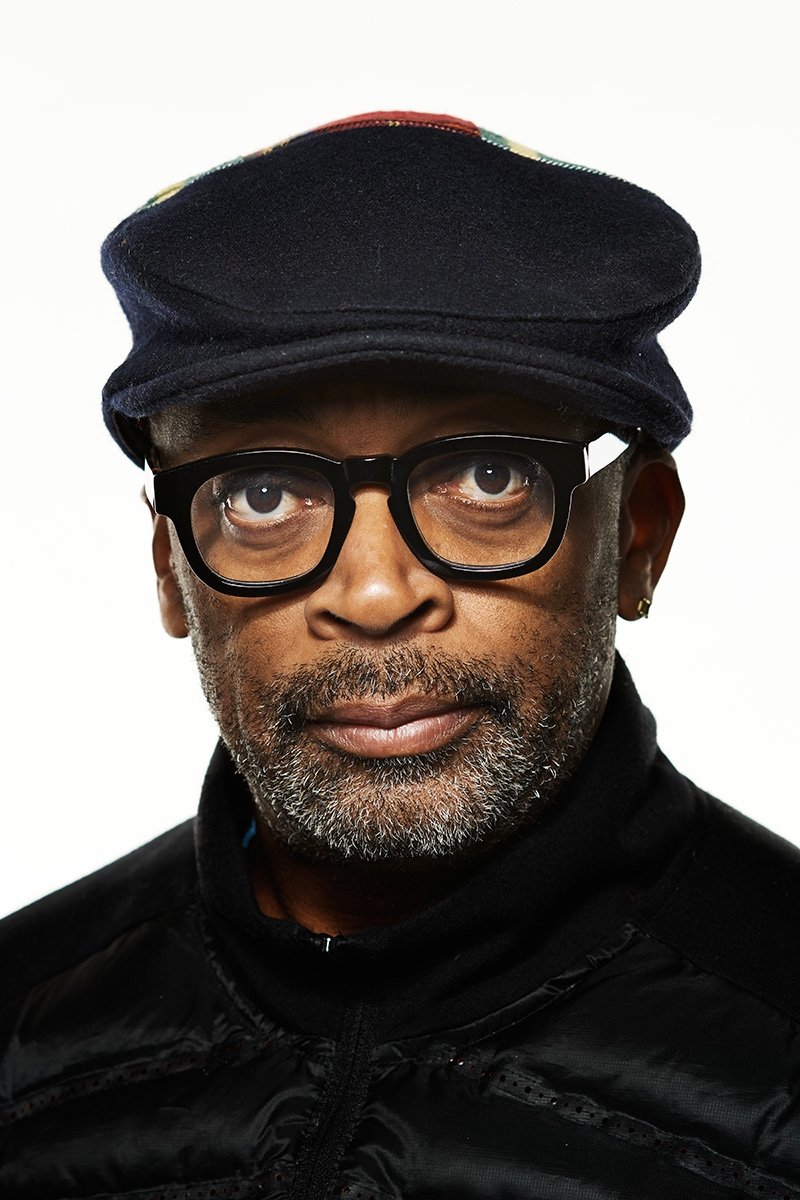
Spike Lee
Shelton Jackson "Spike" Lee (born March 20, 1957) is an American filmmaker and actor. His work has continually explored race relations, issues within the black community, the role of media in contemporary life, urban crime and poverty, and other political issues. Lee received numerous accolades for his work, including an Academy Award, a British Academy Film Award, two Primetime Emmy Awards, and two Peabody Awards as well as nominations for three Golden Globe Awards and a Grammy Award. Lee stud...
Films Analyzed
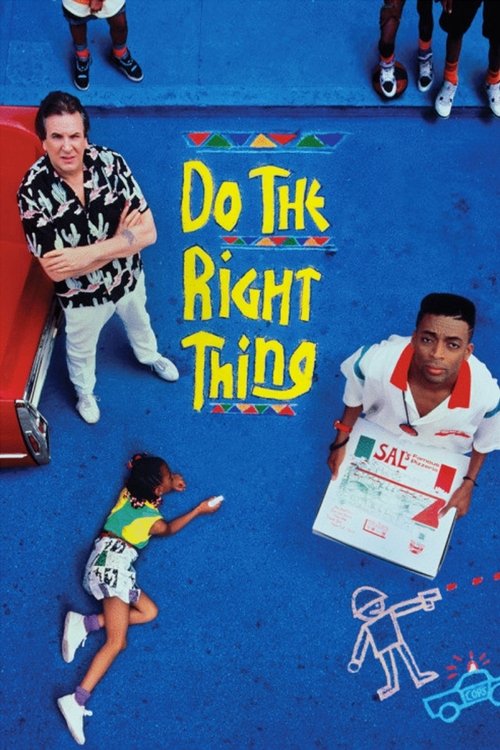
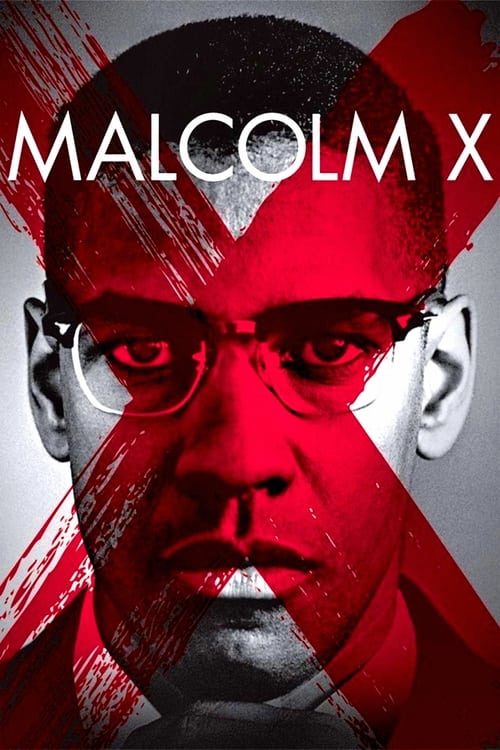
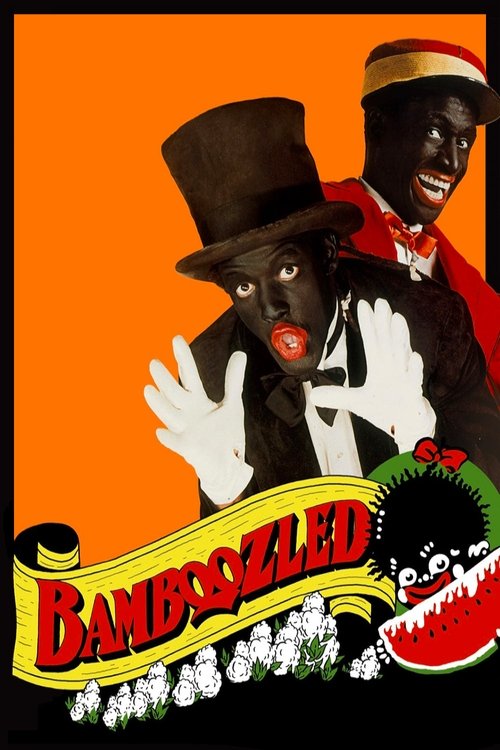
Theme Analysis
The recurring motifs and narrative DNA of Spike Lee's filmography.
Music in general, namely jazz & hip-hop
Spike Lee was known for his love of jazz music and innovative use of modern music during his career
Double dolly-shot, people speaking straight to camera saying manifestos or their direct thoughts
Even though the movies you're watching aren't the most vibrant visually, use of colour and film stock to evoke feeling (DTRT - bright colours, MX - classically shot, hazy filters, BBZD - shot on digital video)
Spike double-dolly shot (When it looks like the character is just floating towards the camera)
Documentary footage cut in to remind muthafuckas that real life and filmmaking are one and the same!
Double dolly shot. Pretty sure every one of his movies has it at least once
Military marches in the music score to signify determination, rather than destruction
All of his films being considered as "Spike Lee Joint"
Spike cameo appearance (or outright full blown member of the core cast)
Denzel Washington
Public Enemy
Countryboi
Racism and the Black American experience
'Nice guy' whites who show their true colours
Scenes where multiple characters start ranting, usually racist/sexist/xenophobic stuff, angrily in chorus with one another
Analyzed Episodes
4 TotalDirector Trivia
Malcolm X's widow, Dr. Betty Shabazz, served as a consultant to the film.[12] The Fruit of Islam, the defense arm of the Nation of Islam, provided security for the movie. The Fruit of Islam, the defense arm of the Nation of Islam, provided security for this movie. They had previously done the same in the Bed-Stuy neighborhood where Lee shot Do the Right Thing (1989).
Malcolm X is the first non-documentary, and the first American film, to be given permission to film in Mecca (or within the Haram Sharif). A second unit film crew was hired to film in Mecca because non-Muslims, such as Lee, are not allowed inside the city. Lee fought very hard to get filming in Mecca but Warners initially refused to put up the money for location shooting. New Jersey was considered for filming the Mecca segments. In the end, Lee got money and permission together for filming in Mecca.
Brother Baines, who leads Malcolm X to the Nation of Islam, is a fictional composite character. In his autobiography, Malcolm X says he was led to the Nation of Islam through letters from his brother and sister.
In the early 1990s, when Malcolm X was in pre-production, Malcolm's sister, Ella Collins was outraged to find out his widow, Betty Shabazz, had been retained as a paid consultant. Ella voiced her displeasure with Spike Lee in the press, protesting that Betty "doesn't know enough about Malcolm to consult on anything pertaining to his life. Her activities [with him] were very limited." Betty had her revenge by eliminating any references to Ella in Lee's movie. "I don't have any respect for the lady," Betty coolly explained to the Boston Globe. Ella Little-Collins was, in fact, her brother's frequent benefactor and confidant (especially after his separation from the Nation of Islam), financing his trips abroad, as well as purchasing them a new home (after the residence was firebombed).
Elijah Muhammad: After me, there will be no more. *No* more.
Nelson Mandela
James Baldwin's original screenplay has been published under the title "One Day When I Was Lost". It begins with Malcolm X driving to the Audobon Theater, then telling his life story through flashbacks.
Spike Lee and his crew for this film nicknamed Warner Bros. "the plantation".
This film contains clips from The Birth of a Nation (1915). When Spike Lee was a student at NYU Film School, he was so outraged that his professors taught the movie with no mention of its racist message or its role in the Klan's 20th century rebirth that he made The Answer (1980) as a response. Many professors took great offense, and Lee was nearly expelled. He ultimately was saved by a faculty vote. After Lee's film industry success, he became a professor at NYU Film School, and Artistic Director of the Graduate Film Department.
This film depicts D.W. Griffith's The Birth of a Nation (1915) being screened at a Klan ceremony during the 1970s. This is an accurate representation of how the modern Klan really did still use Griffith's century-old, silent, black-and-white movie for propaganda purposes at least into the early 2000s. In his book "THEM: Adventures with Extremists" (2002), Jon Ronson recounts his visit to a KKK compound in Arkansas for their annual National Congress meeting. After a variety of racist speeches and a cross-burning, the Klan members enjoyed a screening of "The Birth of a Nation".
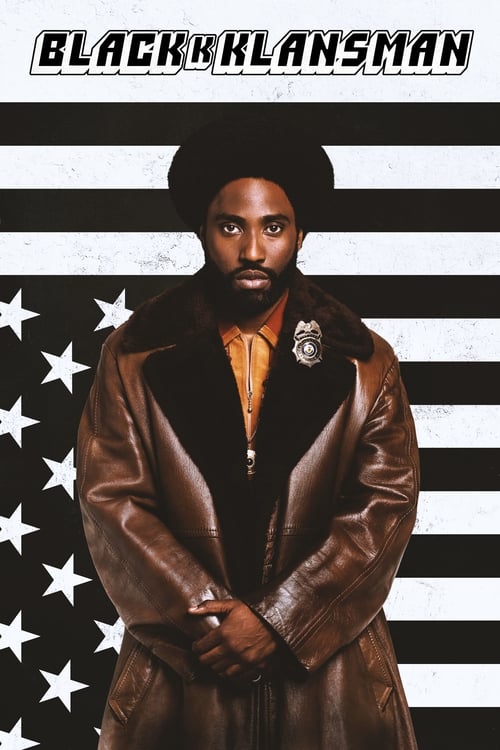
Coincidentally, John David Washington made his film debut as a six-year-old Harlem classroom student in Spike Lee's Malcolm X (1992), which featured his father, Denzel Washington, and his grandmother, Lennis Washington.
Spike Lee and John David Washington are both graduates of Morehouse College, a historically black school in Atlanta, Georgia. Frequent Spike Lee collaborator Samuel L. Jackson is also a graduate.
David Duke did not discover that Ron Stallworth was a Black man until 2006, when a Miami Herald reporter contacted him for his side of the story.
The real Ron Stallworth claimed that one of his biggest regrets of the investigation not being made public is that, had it been revealed, David Duke would have been made a fool for having been conned by a black man and might not have continued his political career.